 My Employee is Leaving
Strategic Vision
Understanding long-term goals and defining the company's future direction in the absence of a founder.
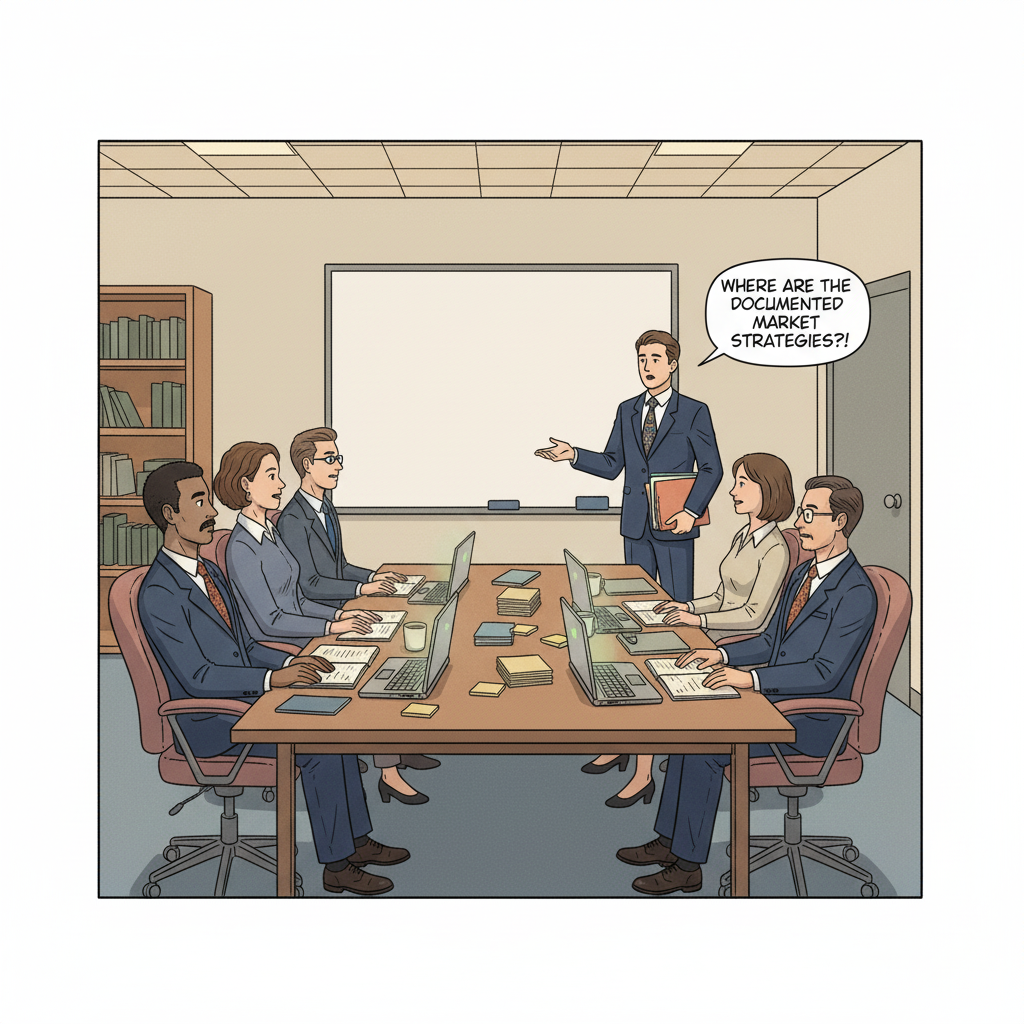
Loss of clarity as the founder’s absence leads to confusion among team members.
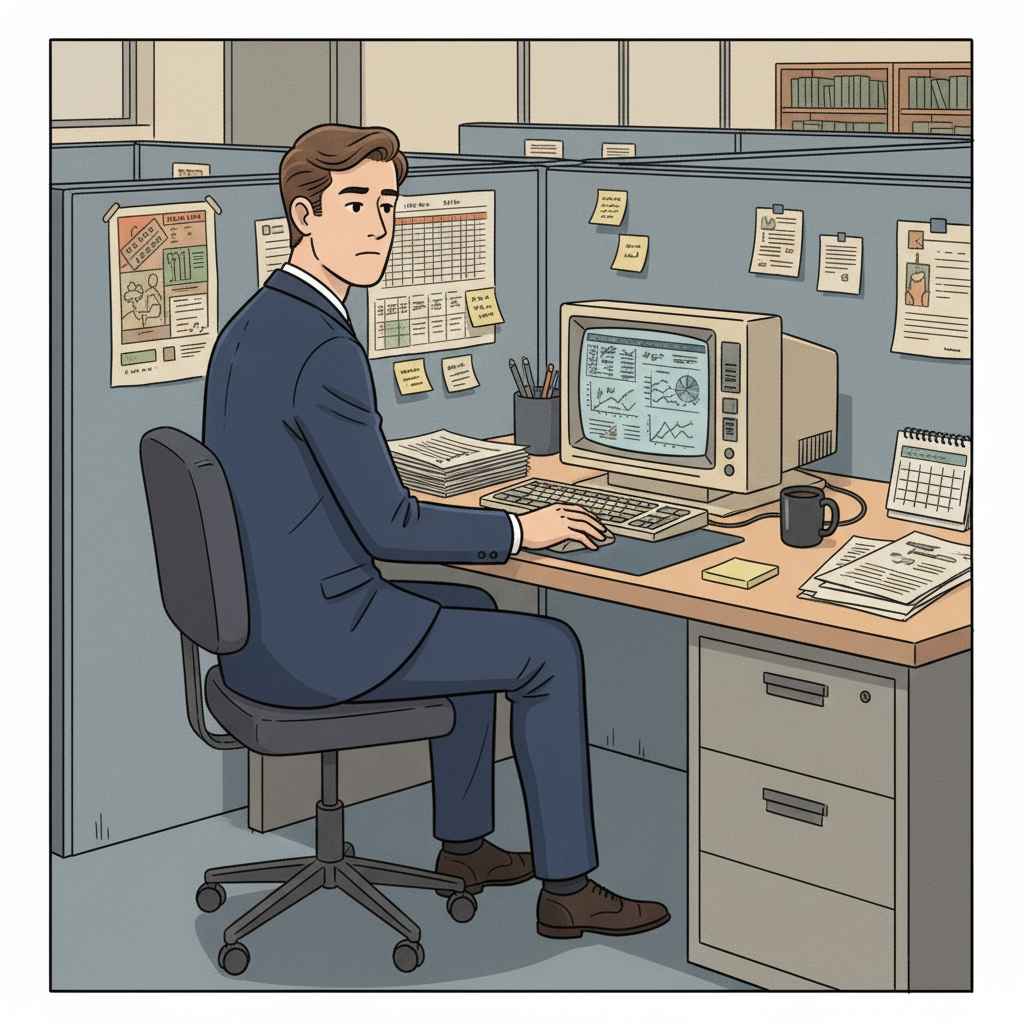
Critical operational knowledge is being transmitted haphazardly and not documented.
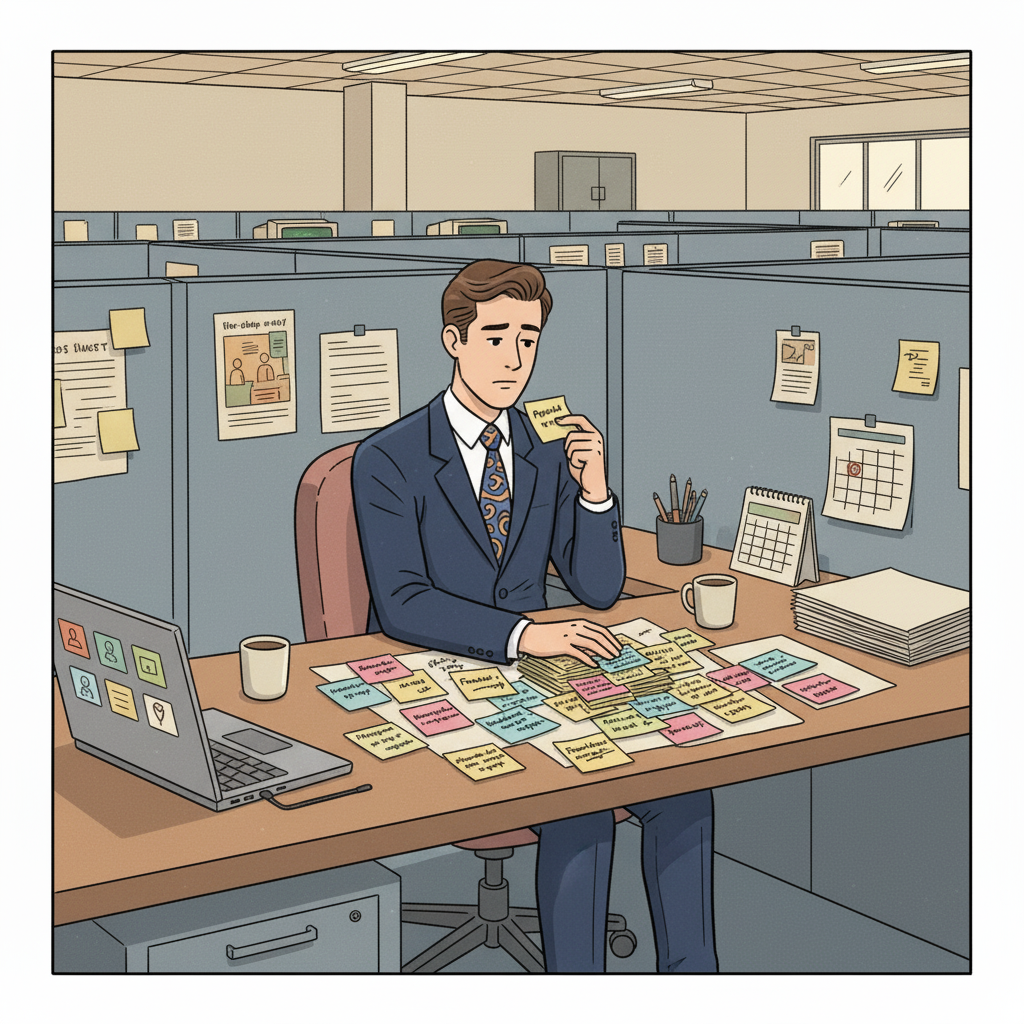
Teams grappling with missing context and reliance on undocumented processes.

The sudden departure leads to an overwhelming workload with unanswered questions.
Operational oversight falters, leading to cascading effects on projects and team morale.
Focus on operational playbooks and decision-making criteria.
Often overlooked are undocumented workflows and informal practices.
Immediately engage the departing founder for knowledge transfer.
When a Founder / CEO departs, the stability of the organization can be significantly impacted. This includes:
Uncovering these potential break points requires deliberate planning and a proactive stance towards knowledge transfer, ensuring that crucial information flows seamlessly from the departing founder.

The departing Founder / CEO holds numerous key insights critical to sustaining an organization’s continuity, including:
This knowledge is seamless and often unspoken, until the moment it slips away. Addressing these knowledge domains during the transition is essential to minimize disruption.

To effectively capture essential operational knowledge, an AI interview should focus on probing questions designed to reveal underlying processes and dependencies:
By covering these areas, the knowledge transfer process can ensure that fewer details are left behind, providing a bridge to continuity.

The final knowledge transfer report serves numerous functions essential for a successful transition:
This comprehensive approach ensures vital knowledge remains within the organization's grasp, preventing operational fallout.

A structured guide to ensure no critical knowledge is left undocumented during the transition.
Ensure that all daily operational tasks are recorded, detailing who does what, in what timeline.
List all critical vendors and their contacts, including the specific services they provide and any ongoing issues.
Identify who should be contacted for various issues, detailing the steps needed when problems occur.
Others need to understand who is responsible for what, ensuring clear accountability once the founder leaves.
Facilitate discussions with crucial team members to explore and document their interactions with the founder.
Understanding long-term goals and defining the company's future direction in the absence of a founder.
Capture the day-to-day functional practices that drive company efficacy.
Documentation of the company's culture and team dynamics critical for engagement.
The manager learns the Founder / CEO is leaving and initiates the knowledge transfer process.
An AI-guided interview session is scheduled with the departing Founder / CEO to systematically capture institutional knowledge.
The AI interview extracts undocumented workflows, vendor relationships, decision rationale, and operational edge cases.
A structured knowledge transfer report is produced, covering all critical domains, handover checklists, and risk areas.
The team reviews the report, identifies remaining gaps, and completes the handover before the departure date.
Operational oversight can falter, impacting projects and team dynamics. Communication may break down, leading to potential delays and misalignment.
Conducting structured interviews to uncover decision-making processes, vendor relationships, and key operational workflows is essential.
Initiating knowledge transfer within the two-week notice period is crucial; however, dedicated time and resources will ultimately determine thoroughness.
Need help navigating an employee departure? Contact the team at MyEmployeeIsLeaving.com for calm, human support during the two-week notice period.
See illustrative samples of how we capture critical tribal knowledge during employee departures. Real-world reports for Ops, CS, and RevOps roles.
Simple, one-time pricing for employee offboarding. Capture critical tribal knowledge during the two-week notice period without a subscription.
Handle employee resignations with a calm, structured checklist. Capture critical tribal knowledge and hidden dependencies before the two-week notice ends.
Capture critical tribal knowledge before your employee leaves. MyEmployeeIsLeaving helps managers secure project context and 'the why' during the 2-week notice.
Learn why we build for the 2-week notice period. Our mission is reducing operational regret through structured knowledge extraction, not perfect documentation.