 My Employee is Leaving
After a Sudden Resignation
Structured interviews capture insights in hours.
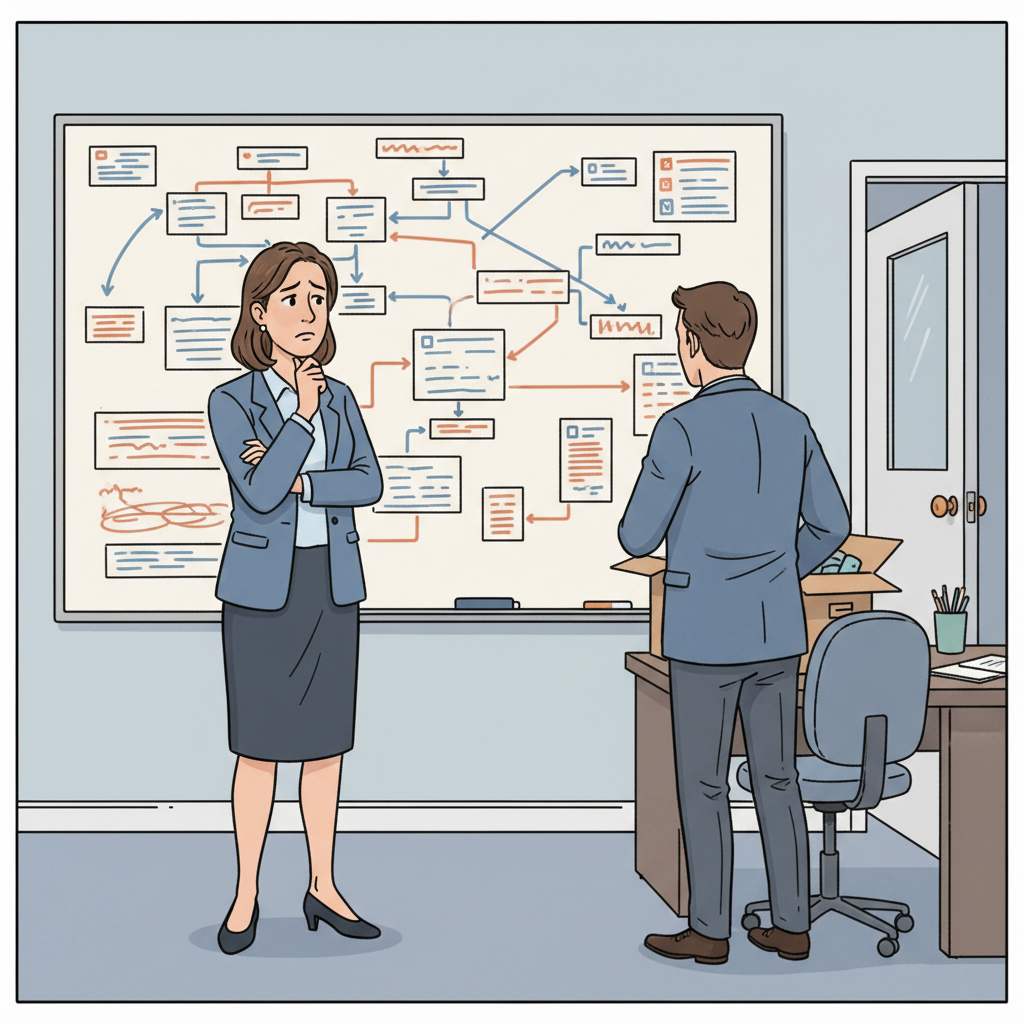
How do I capture workflows *before* they leave?

I need relationship context before they walk away!
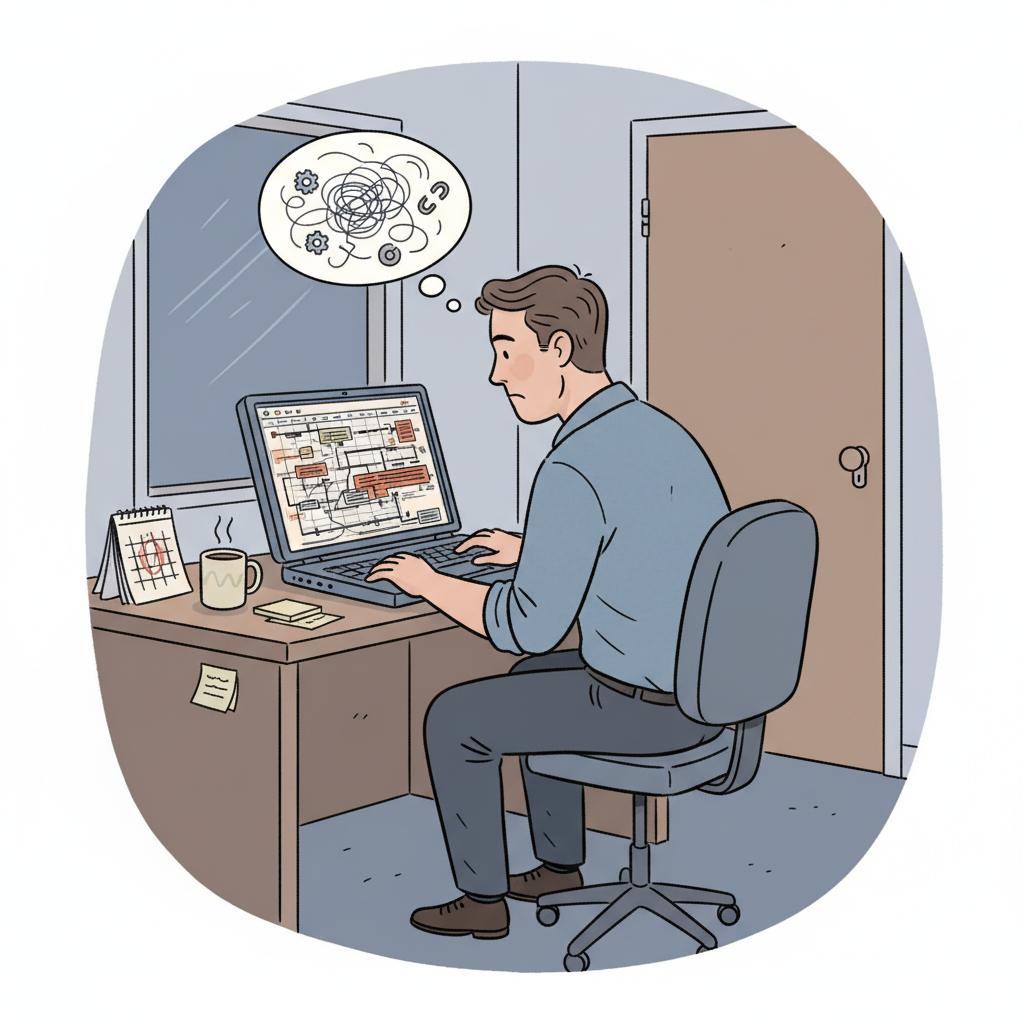
I don't want to rediscover shattered pipelines later.

The successor has the Knowledge Transfer Report; the questions that remain are written down.
Employees leave for a variety of reasons, and each departure can create unique challenges. Sometimes it's a sudden opportunity elsewhere. Other times, it’s the result of company culture or personal circumstances. Each situation demands careful attention to ensure nothing critical slips through the cracks. By understanding these reasons, you can better prepare for the knowledge transfer process and ensure operational continuity.
Prevents Operational Disruption: Smooth transitions keep workflows intact.
Captures Valuable Insights: Documenting specific contexts ensures essential information is not lost.
Safeguards Relationships: Maintaining strong connections with clients and teams is vital.
Time Sensitivity: Departures often happen unexpectedly, requiring immediate action.
Scope of Knowledge: What knowledge is most critical for continuity?
Structured Processes: Implementing a clear framework for knowledge transfer can mitigate risks.
Use cases like sudden resignations and key leadership transitions need it most.
It varies based on the role and the nature of departure.
Structured interviews capture insights in hours.
Preserve decades of expertise through structured approaches.
Maximize the limited time available to capture knowledge.
Secure critical insights during a pivotal leadership transition.
Capture what only they know before a long absence starts.
Hand off the old role cleanly when someone moves up or across.
Across different scenarios, a few common patterns emerge in effective knowledge transfer:
Prompt Action: Time is of the essence; swift action ensures critical insights are recorded before the departure.
Structured Approach: Implementing a structured process enables consistent documentation, regardless of the role involved.
Collaboration: Engaging team members and leadership in the knowledge transfer process fosters a culture of shared responsibility and continuity. As each departure presents unique challenges, adapting these patterns helps mitigate operational risks.
A step-by-step guide for managers planning knowledge transfer across use case departures.
Determine which roles require immediate knowledge transfer.
Arrange time for structured interviews or discussions with the departing employee.
Ensure workflows and procedures are recorded comprehensively.
Involve team members who rely on the departing employee’s knowledge.
Give the successor the Knowledge Transfer Report and walk through the open items together.
Hold the debrief before the last day and note what was not covered.
It safeguards essential information and maintains operational continuity.
Fit is decided by what the departing role knows, not the industry around it. A non-regulated role inside a regulated organization is often a strong fit. It's designed for operational knowledge — process ownership, vendor history, and everyday judgment; regulated records and controlled data stay out of scope.
Utilizing tools and structured interviews can streamline documentation and capture insights effectively.
Time constraints, incomplete documentation, and team engagement are frequent obstacles.
Assess the impact of each role on operations to determine urgency and focus.
Yes, any departing employee can have critical knowledge that impacts team performance.
Stop the brain drain. Learn how our structured system captures critical tribal knowledge and reduces operational regret before they leave
Simple, one-time pricing for employee offboarding. Capture critical tribal knowledge during the two-week notice period without a subscription.
Explore industry-specific strategies for effective knowledge transfer before employee departures. Capture critical insights easily!
Explore realistic samples of knowledge transfer reports for key employee departures. Ensure operational continuity with structured insights.
When your IT or systems admin leaves, the setup reasoning and vendor contacts go too. A guided interview captures that context, never the secrets.
Secure vital knowledge before your team member departs. Act now to manage operational continuity during their two-week notice.