 My Employee is Leaving
Construction Superintendents
Managing chaos on job sites requires precise knowledge transfer before they leave.

Sharing insights: capturing vital knowledge while it’s still here.

Validating facts: ensuring every detail is accurate and clear.
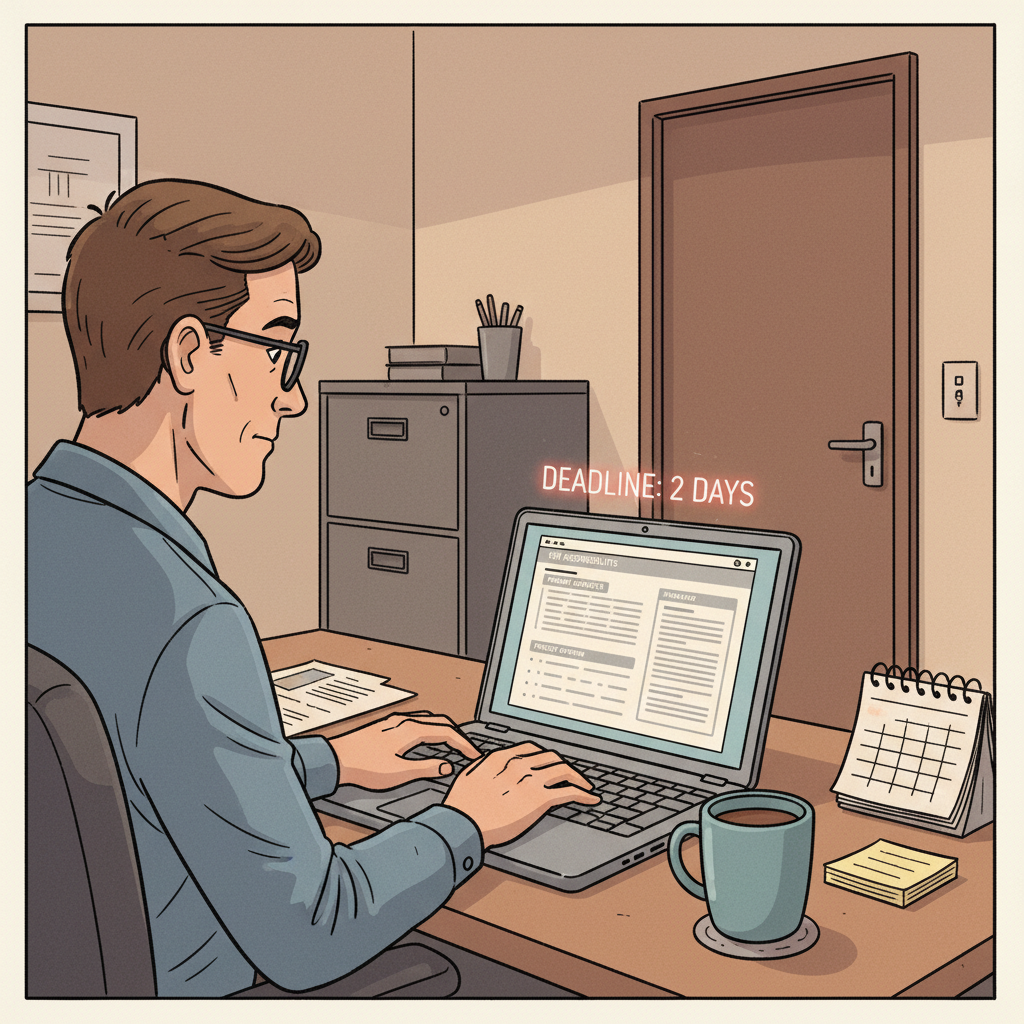
Creating a structured report: consolidating knowledge into a usable format.
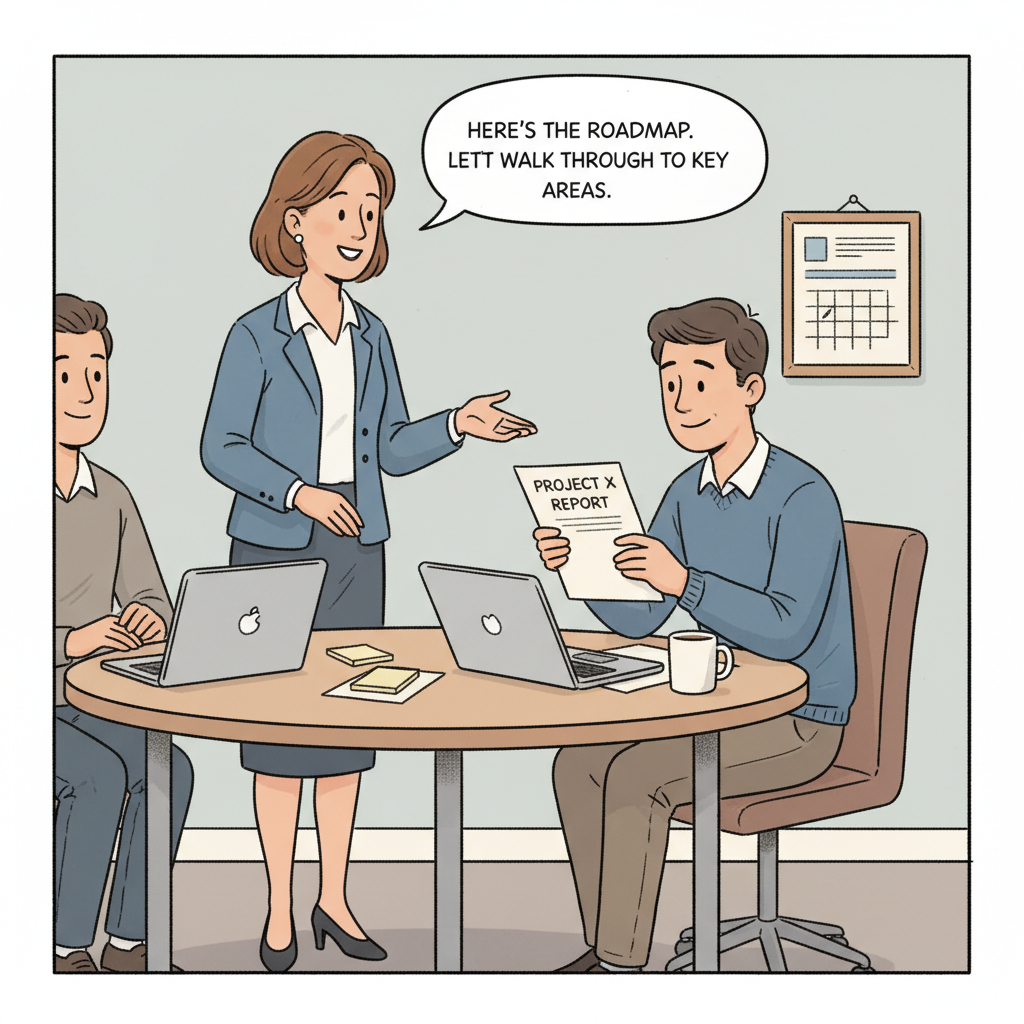
Effective handoff: providing clarity and support as transitions happen.
When a key employee departs, the impact on operations can be immense. For every role, specific knowledge is crucial for maintaining business continuity. Without a structured knowledge transfer, organizations risk losing valuable insights that could lead to costly mistakes. Here’s why it matters:
Minimize operational disruption: Ensure that critical processes continue seamlessly.
Avoid project delays: Understand project specifics before the employee exits.
Retain client relationships: Preserve continuity in customer interactions.
Streamline onboarding for replacements: New hires benefit from already documented knowledge.
Support decision-making: Future leaders can make informed choices based on that knowledge.
Cultivate a culture of transparency: Encourage sharing and support within teams.
Avoid the loss of sensitive information: Protect trade secrets and strategic insights.
Keep the reasoning: Record why things are done a certain way, not just how.
Leverage diverse expertise: Different roles contribute uniquely to overall company knowledge.
Roles that are critical to operations, such as management and technical roles, need knowledge transfer the most.
Knowledge transfer varies in complexity and content based on the role’s responsibilities.
Managing chaos on job sites requires precise knowledge transfer before they leave.
Ensure critical timelines and subcontractor relationships are secured.
Their insights directly impact revenue retention. Don’t let that walk out the door.
Prioritize what machines need attention before it’s too late.
Capture vital security insights before your defenses are weakened.
Their incident knowledge is crucial for system stability.
Their process knowledge is essential for smooth function.
Protect vital systems knowledge during transitions.
Avoid crippling production losses when they resign.
Document critical infrastructure insights to prevent long downtimes.
Capture their unique programming insights before they leave.
Their insights optimize production, don’t lose them.
Their experience optimizes logistics; ensure it’s documented.
Years of experience help catch problems before they reach customers.
Don’t let their supplier relationships slip away.
Shift-level insights are crucial for maintaining output.
Preserve their knowledge to keep supply lines from breaking.
Capture the judgment behind daily checks and supplier history before it walks out.
Prevent delivery risk with structured knowledge transfer.
Secure essential reporting logic and tool configurations.
Avoid losing vital vendor relationships and workflow logic.
Structured transfer to preserve critical operational knowledge.
Despite the differences in specific job responsibilities, there are universal patterns in knowledge transfer across all roles. Here are commonalities:
Most roles require detailed documentation of processes and contacts.
Informal knowledge is often just as crucial as formal procedures.
The transfer of client and supplier relationships is pivotal, often overlooked.
Interpersonal dynamics can greatly affect operational continuity.
All roles benefit from comprehensive onboarding sessions for successors.
Mentoring during the transition supports smoother handoffs and knowledge retention.
A step-by-step guide for managers planning knowledge transfer across role departures.
List employees whose knowledge is critical for operations.
Determine what knowledge must be transferred to avoid disruption.
Outline how knowledge will be captured and stored.
Plan meetings between exiting employees and their successors.
Foster a culture where knowledge sharing is valued.
Hold the debrief, confirm what was covered and what was not, and hand the report to the successor.
Knowledge transfer is the process of transferring crucial information, skills, and insights from one employee to another, especially during transitions.
Fit is decided by what the role knows, not the industry around it. A non-regulated role inside a regulated organization is often a strong fit. It’s designed for operational knowledge — process ownership, vendor history, and the judgment behind day-to-day decisions; regulated records and controlled data stay out of scope.
Each role holds unique knowledge essential for maintaining continuity, efficiency, and protecting against disruptions.
Encourage documentation, schedule transfer sessions, and create a culture of openness regarding sharing knowledge.
Failure to transfer knowledge can lead to project delays, loss of client trust, and operational inefficiencies.
No. This is a departure event, not an ongoing programme. One offboarding produces one Knowledge Transfer Report; the next departure gets its own.
Stop the brain drain. Learn how our structured system captures critical tribal knowledge and reduces operational regret before they leave
Simple, one-time pricing for employee offboarding. Capture critical tribal knowledge during the two-week notice period without a subscription.
Explore industry-specific strategies for effective knowledge transfer before employee departures. Capture critical insights easily!
Explore realistic samples of knowledge transfer reports for key employee departures. Ensure operational continuity with structured insights.
Explore effective knowledge transfer strategies tailored for various use cases to ensure operational continuity when employees depart.
Secure vital knowledge before your team member departs. Act now to manage operational continuity during their two-week notice.