 My Employee is Leaving
Read the story
What a plant loses when the engineer who knew why leaves.
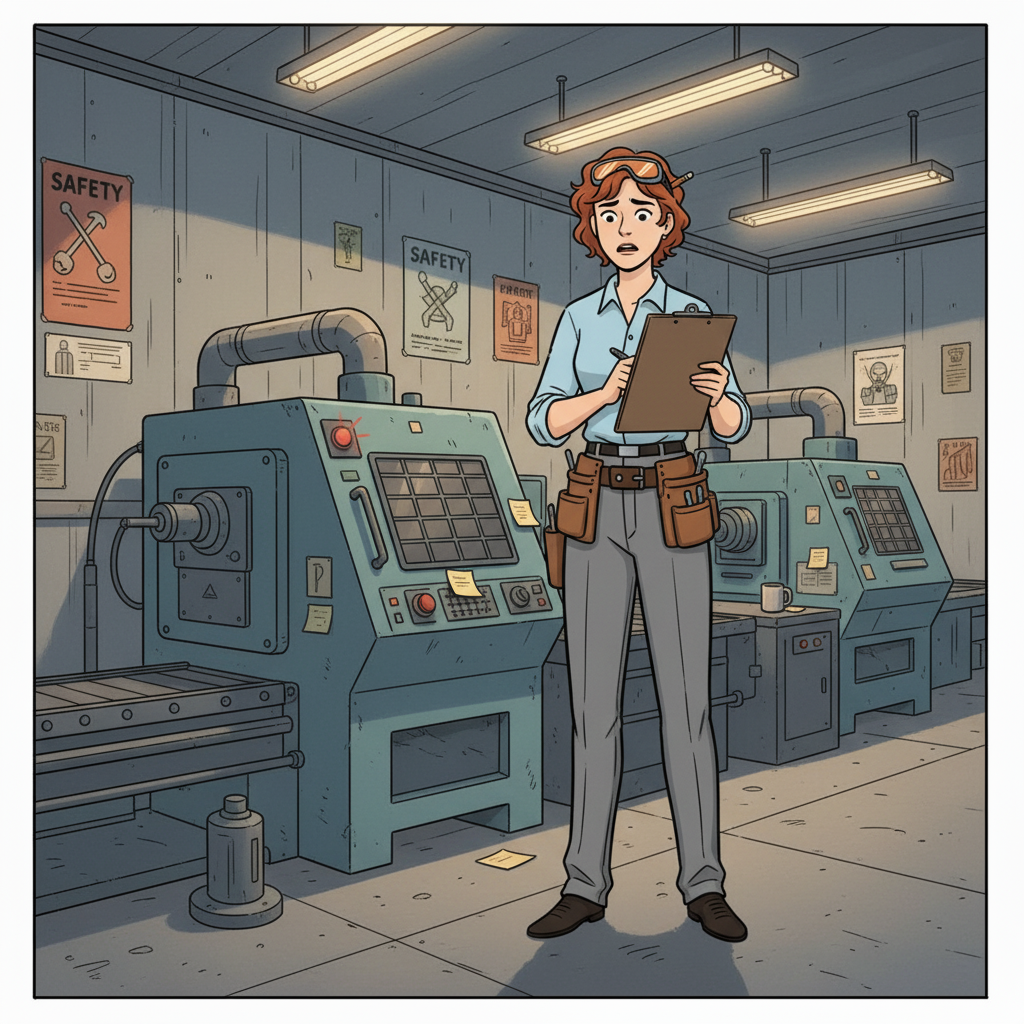
Production halts as undocumented procedures come to light.
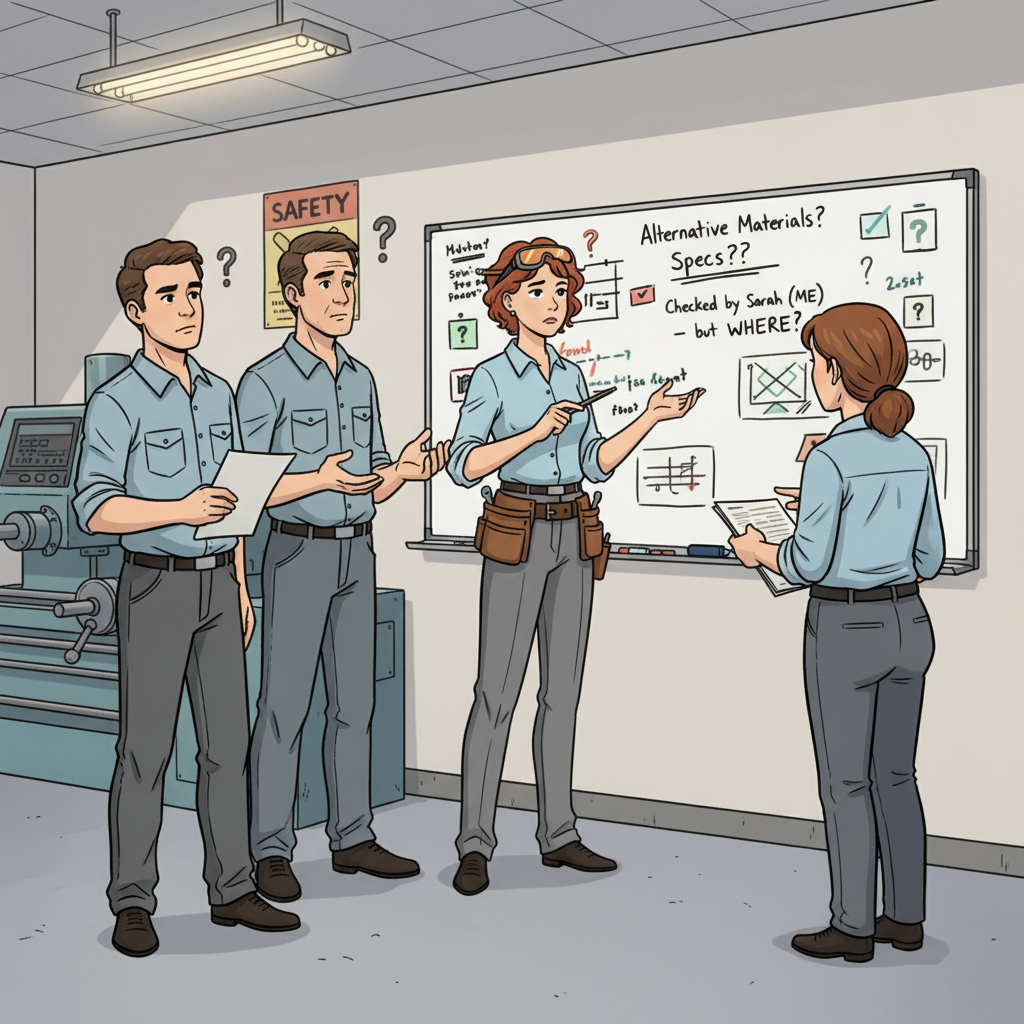
Uncertainty about material choices leads to costly delays.
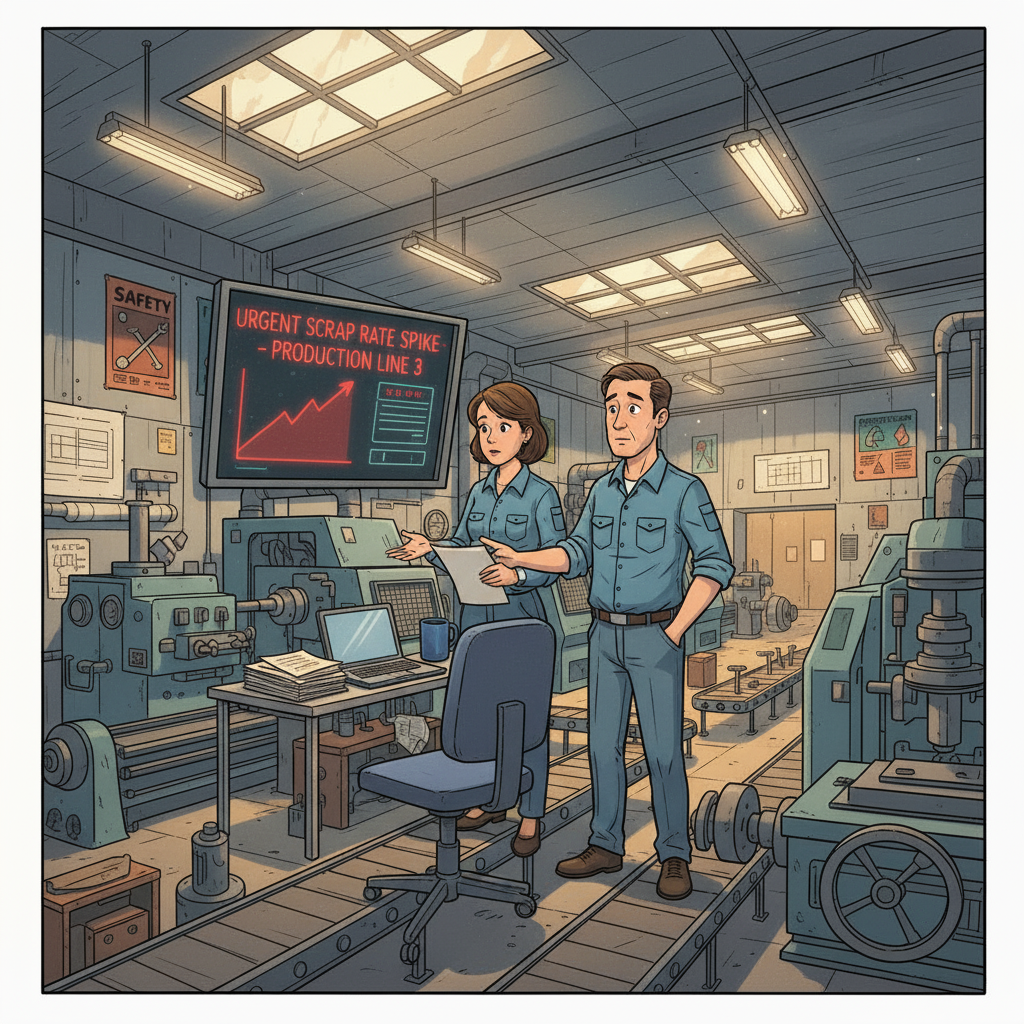
Quality issues increase as vital know-how is lost.
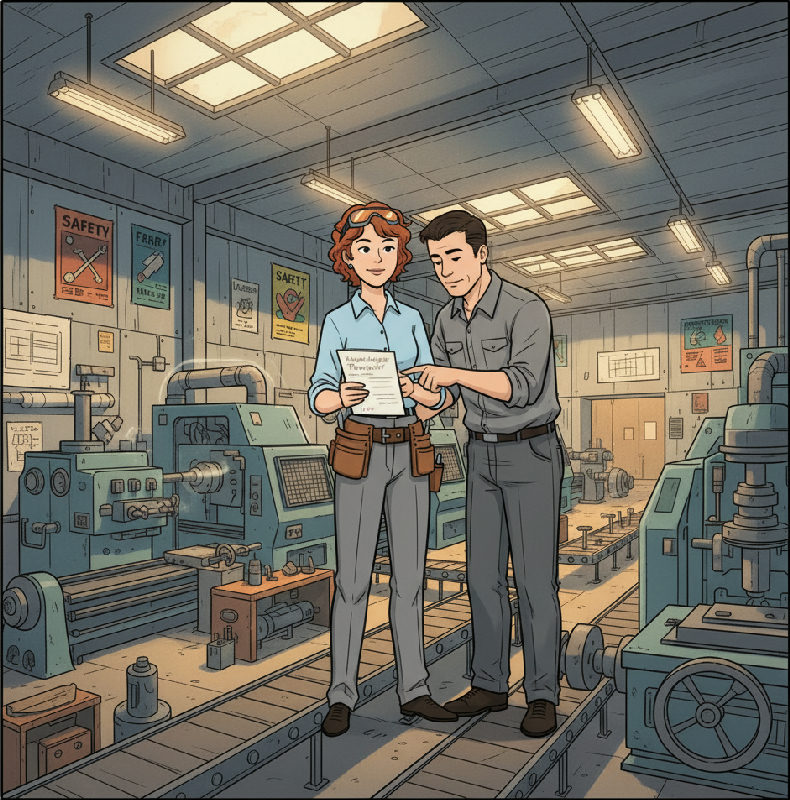
Calibration details and material choices, explained in the Knowledge Transfer Report — what’s still open, named.
Process engineers carry the 'why' behind every setting: why that speed, why that tolerance, why the line runs differently on humid days. When they leave, the settings stay and the reasoning goes. A guided interview captures the reasoning — and the engineer confirms each fact before it reaches the report.
The settings a competent new engineer would question, and the history behind each one.
The diagnostic order. When the line stops, they check things in a sequence built from years of being wrong.
Get the reasoning out while the engineer is still on the floor to point at it.
Two weeks' notice, and every machine keeps its settings. That’s what makes it feel survivable.
Why 1,140 and not 1,200. Why that dwell time. Why the second line runs slower in July. The values are in the controller; the reasons were in their head.
They already tried the obvious improvement. It scrapped a shift’s output. Nobody logged that, so the next engineer will try it again.
An operator nudges a setting on humid mornings because the engineer told them to, two years ago, verbally.
Week one, every setting holds. Around week five a competent new engineer questions the 1,140 and tries 1,200, because nobody logged why not. By month three the humid-morning adjustment stops being made, and the second line runs badly in July for the third summer. The Knowledge Transfer Report explains the calibration details and the material choices, with what is still open named.
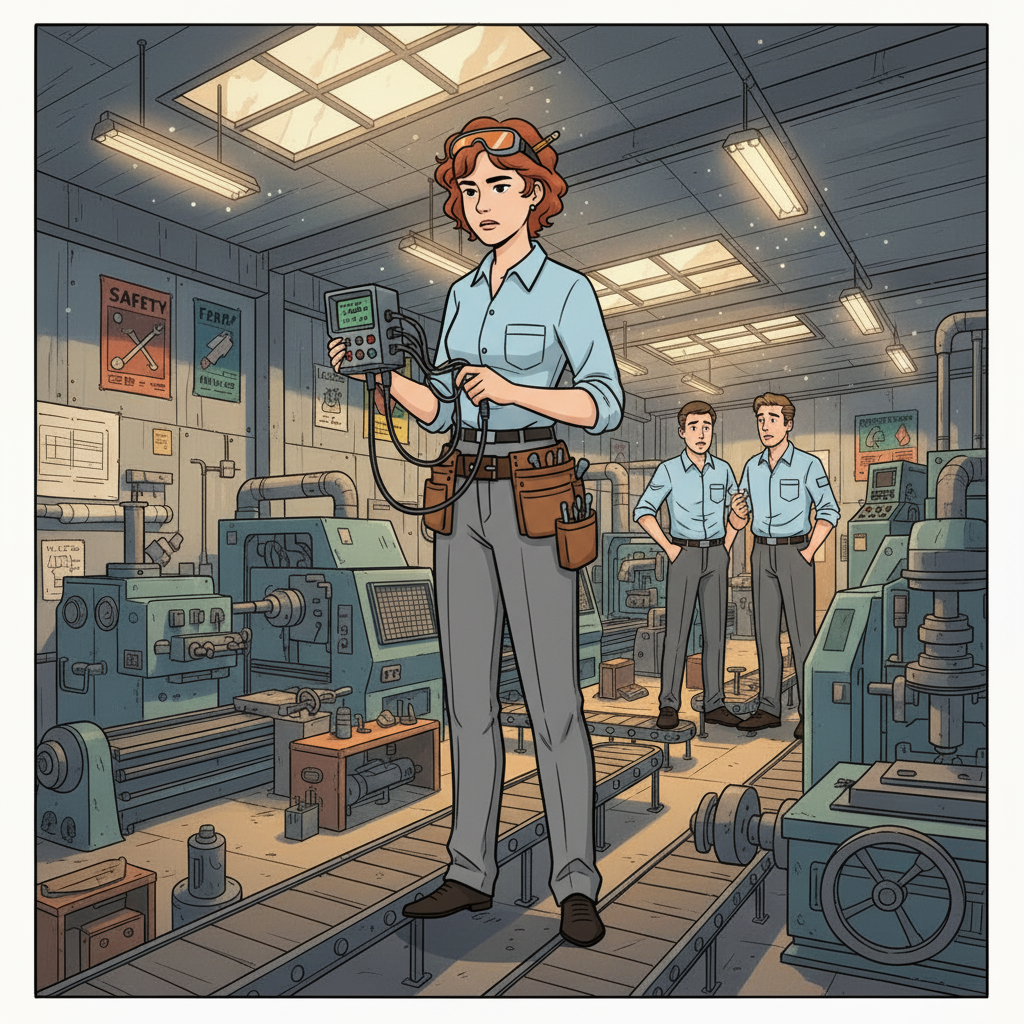
Most of it is judgment built from repetition.
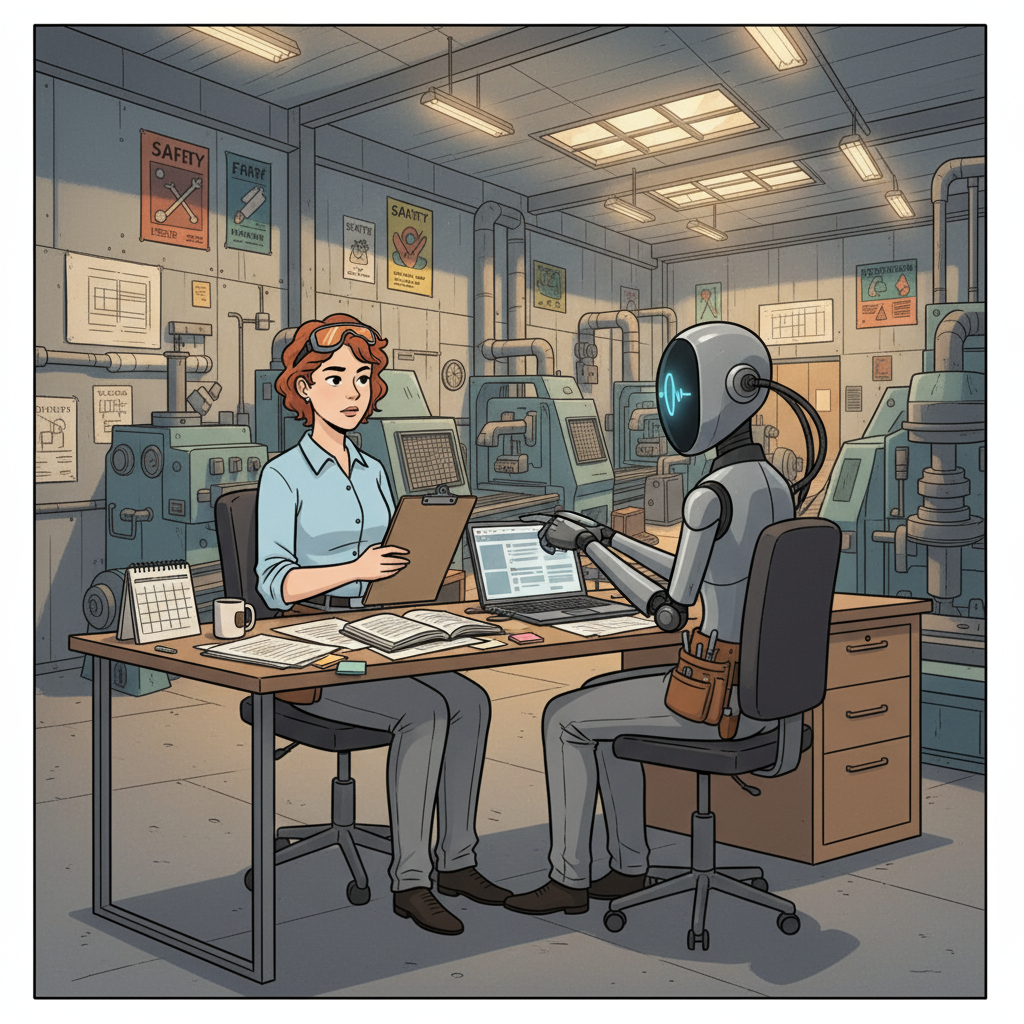
A guided offboarding interview goes after that layer. Voice or text, the employee’s choice — most engineers explain a fault out loud faster than they type it. Every extracted fact is confirmed, edited, or rejected by them.
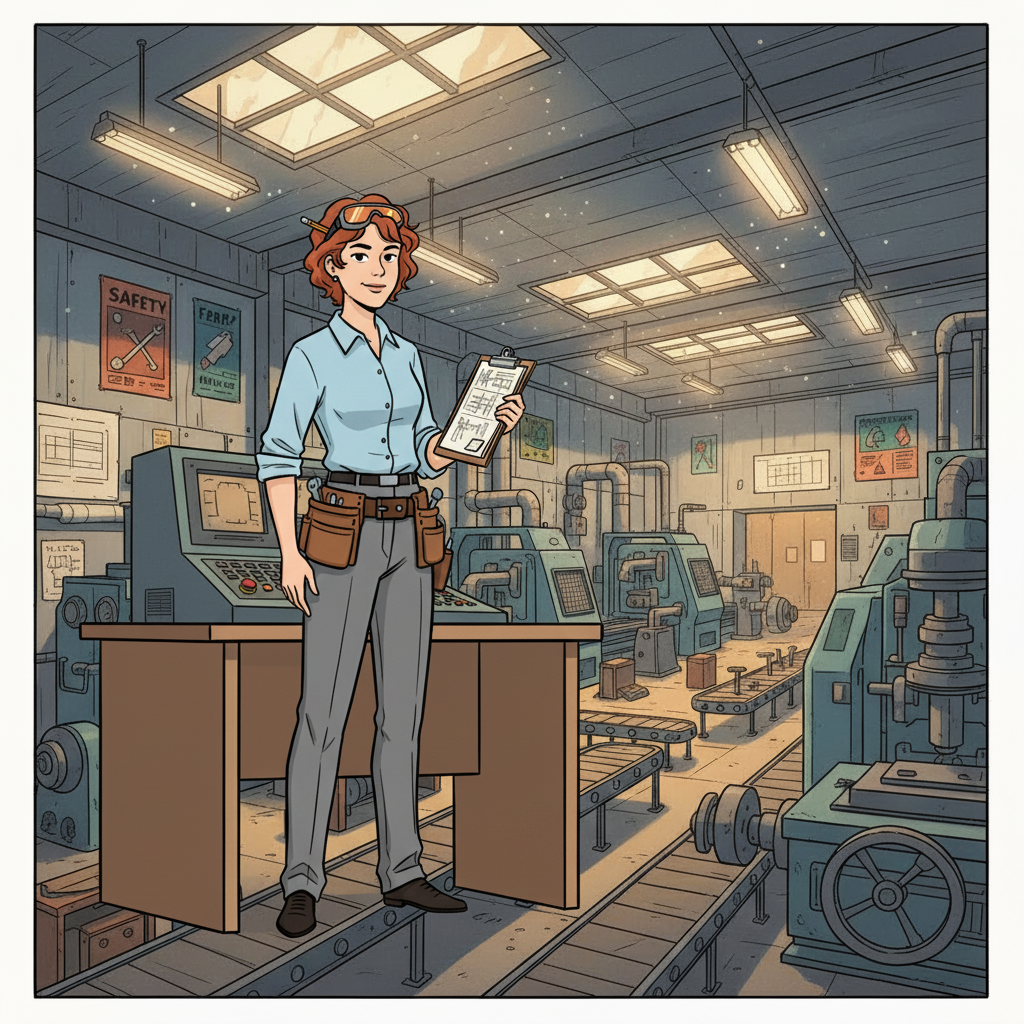
An engineer on notice is still running production. Multi-session by design: up to 10 structured topics, voice or text, pause and resume anytime, with a total time budget of up to roughly 300 minutes. Time is budgeted, not promised.
They can talk through a fault while standing at the machine, stop when the line calls, and pick the next topic up later. Designed for real departures.
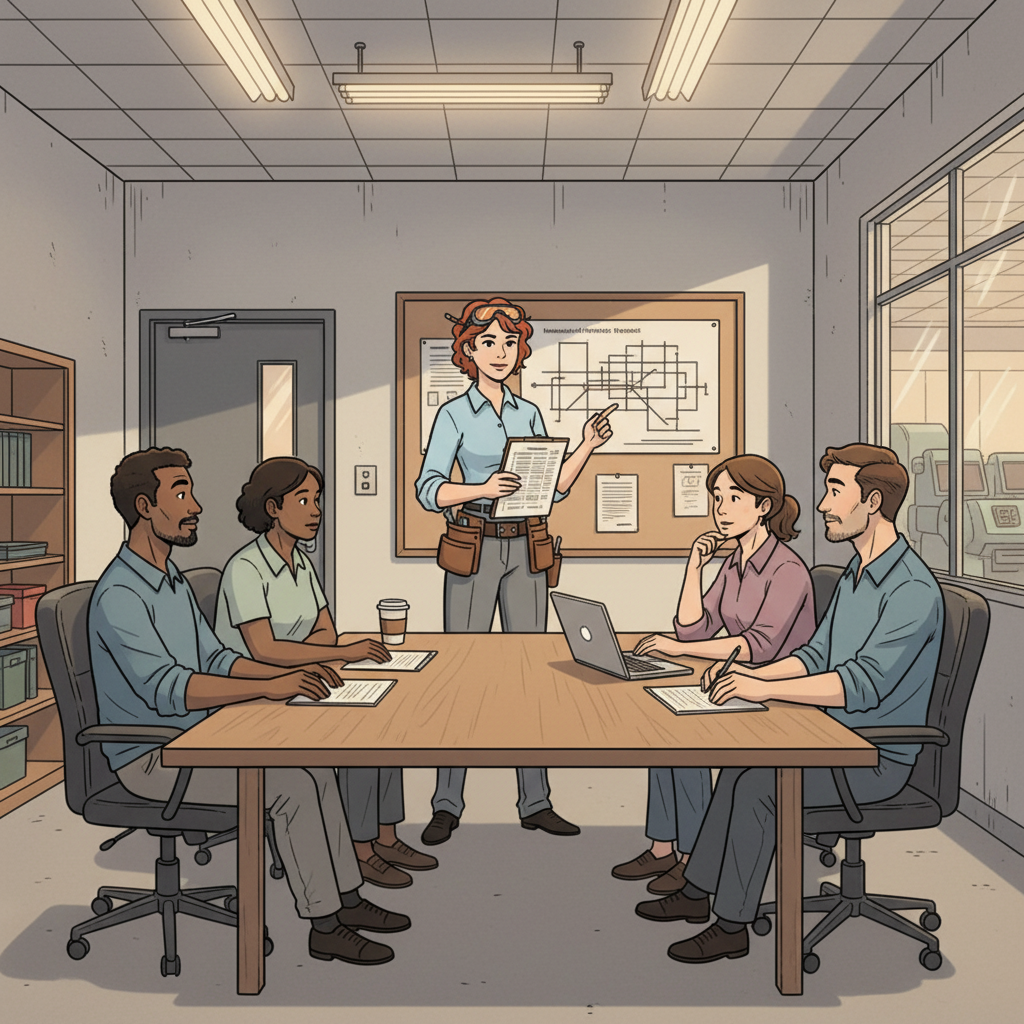
A structured Knowledge Transfer Report, manager-ready, in three parts. Illustrative lines below — what a report looks like, not a customer’s report.
“Line 2 runs at 1,140 rpm because the older infeed jams above that; do not raise it without changing the guide.”
“Unclear whether the humidity adjustment was ever validated. Ask quality.” Gaps are an intended output; naming them reduces risk.
“The packaging cell was not discussed — no session reached it.” Stated plainly, so nobody assumes otherwise.
Open questions first, then follow-ups where the answer thins out.
The numbers that look wrong until you know why.
The diagnostic order, in their words.
The experiments that cost a shift.
A map of who to ask about what.
The parts that are one bad week from a problem.
What a plant loses when the engineer who knew why leaves.
The Operations Director sample: confirmed facts, open questions, gaps.
One $1,000 credit per offboarding. No subscription. Your first offboarding runs free for 7 days — you buy the credit when you unlock its Knowledge Transfer Report.
What manufacturing teams should capture before a departure.
You book the first session while they’re still on the floor.
Up to 10 topics, paused when the line needs them.
Each fact is confirmed, edited, or rejected by the engineer.
Confirmed facts, open questions, what was not covered.
Every open question goes to a name.
The reasoning. Settings, drawings, and work instructions stay behind. The rationale, the failed experiments, and the diagnostic shortcuts leave with them unless somebody asks.
Fit is decided by what the role knows, not the validation regime around it. It’s designed for operational knowledge — line behaviour, troubleshooting order, and why parameters were set where they were; controlled process records and audit data stay out of scope.
Multi-session by design: up to 10 structured topics, voice or text, pause and resume anytime, with a total time budget of up to roughly 300 minutes. Time is budgeted, not promised. Sessions fit between production demands rather than replacing them.
Open-ended questions and follow-ups surface more of it than a form does. What stays uncertain is preserved as an open question rather than papered over.
When food manufacturing staff leave, supplier history and line quirks go with them. A guided interview captures that operational knowledge first.
Ensure a smooth transition in manufacturing with our structured knowledge transfer sessions, minimizing operational disruptions and knowledge loss.