 My Employee is Leaving
Nonprofit & Education
Capture crucial program context and donor relationships amid staff changes.

A sudden departure creates chaos for managers.
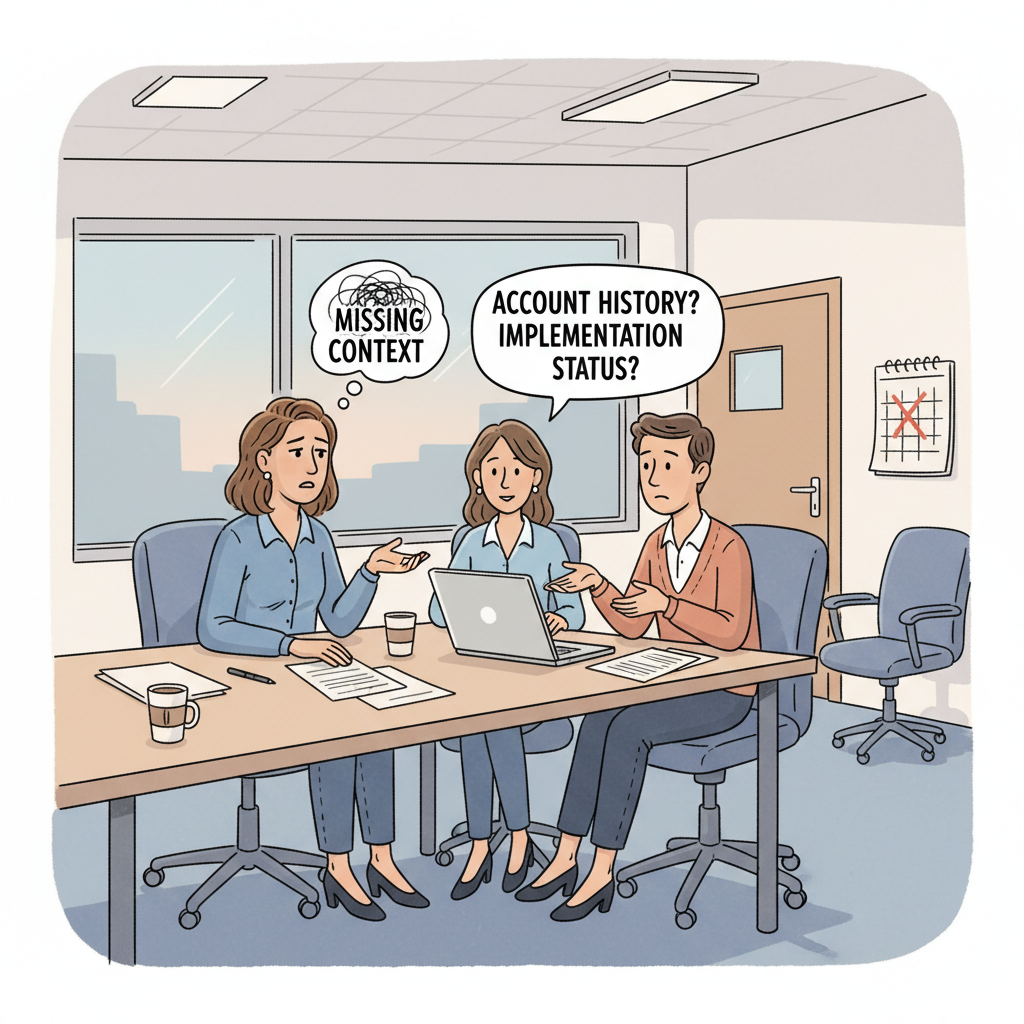
Losing customer context can jeopardize client success.
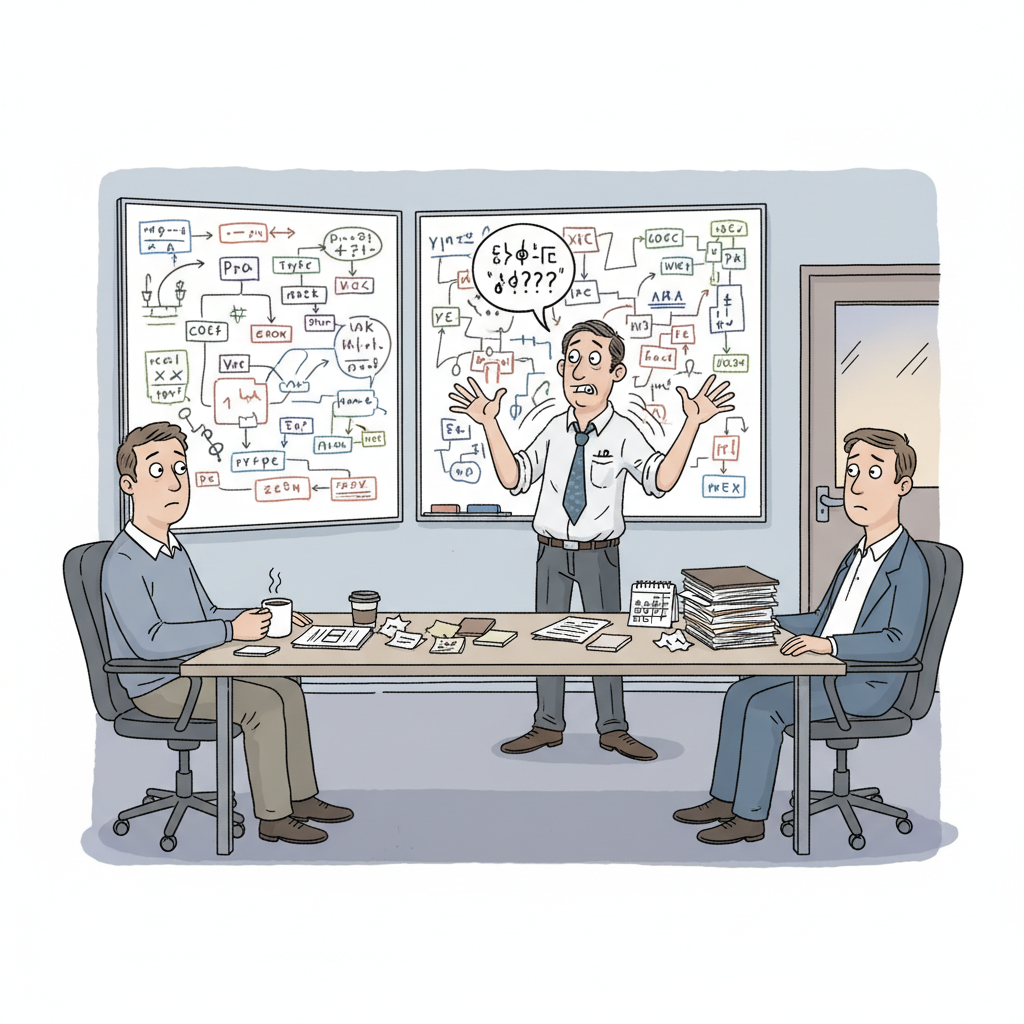
Transitioning out is tougher without documented knowledge.
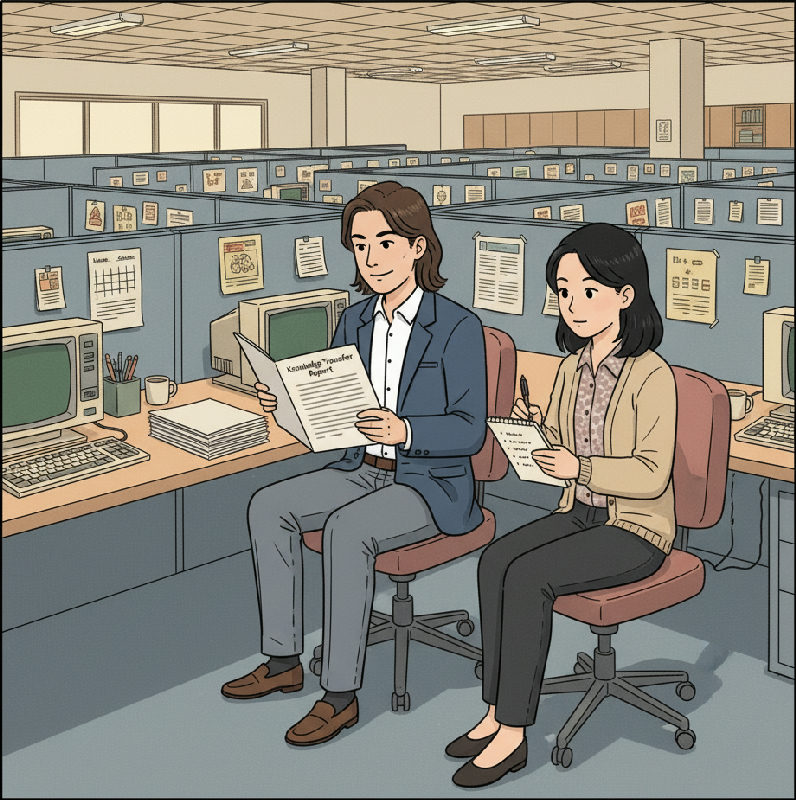
Two weeks later: the report on the desk, the successor’s questions already written down.
Employee departures can feel like the wind has been knocked out of you, regardless of your industry. As a manager in any sector, you face an urgent need to capture critical knowledge before someone leaves. Whether you're in tech, healthcare, or retail, every industry has its own unique pieces of tribal knowledge that are often left undocumented. The challenge is universal: how do you preserve the insights of departing employees while juggling a million other tasks?
Disruption of ongoing projects
Loss of critical client context
Gaps in operational clarity and day-to-day judgment
Understanding how knowledge transfer applies specifically to your industry can help mitigate these risks. Here’s why it matters:
Preserve relationships: Knowledge transfer helps maintain bonds with clients and vendors.
Maintain consistency: It ensures operations run smoothly despite personnel changes.
Protect investments: Safeguard valuable expertise that took years to develop.
Industries like healthcare, manufacturing, and technology are critical.
Each industry has unique challenges and knowledge structures.
Capture crucial program context and donor relationships amid staff changes.
Preserve project timelines and trade relationships before team shifts.
Protect vital operational knowledge that drives production efficiency.
Keep non-clinical operations running when the person who ran them leaves.
Capture line-level production expertise and vendor history before a transition.
Protect fragile supply chain knowledge before departures disrupt operations.
Preserve creative processes and client context through transitions.
Retain the infrastructure and site knowledge that leaves with departing staff.
Preserve client relationships and operational context during key employee changes.
Field technician expertise is irreplaceable; capture it effectively.
Safeguard methodologies and client interactions during staffing changes.
Capture seasonal knowledge and vendor agreements before transitions.
Systematically capture insights before key staff exit the organization.
Despite the distinctiveness of each industry, some common patterns emerge in knowledge transfer:
By recognizing these patterns, organizations can implement repeatable processes that fit their unique contexts.
A step-by-step guide for managers planning knowledge transfer across industry departures.
Determine which roles have critical knowledge that needs to be captured.
Review existing documentation and processes to find gaps.
Facilitate discussions about their most critical insights.
Document how and when information will be shared before the employee leaves.
Nominate team members to help facilitate the transfer process.
Review the effectiveness of knowledge sharing and adjust as needed.
Knowledge transfer involves the systematic sharing of organizational knowledge to ensure continuity.
Industry does not decide fit — the role's knowledge does. A non-regulated role inside a bank, hospital, or other regulated organization can be a strong fit. It's designed for operational knowledge — process ownership, vendor history, and day-to-day judgment; regulated records and controlled data stay out of scope.
It protects against operational disruption and preserves vital business insights.
Industries with high turnover, like healthcare and tech, often face significant challenges.
By creating structured plans and involving all stakeholders in the transition process.
Companies risk losing critical insights, client relationships, and operational efficiency.
Stop the brain drain. Learn how our structured system captures critical tribal knowledge and reduces operational regret before they leave
Simple, one-time pricing for employee offboarding. Capture critical tribal knowledge during the two-week notice period without a subscription.
Explore realistic samples of knowledge transfer reports for key employee departures. Ensure operational continuity with structured insights.
Explore effective knowledge transfer strategies tailored for various use cases to ensure operational continuity when employees depart.
When your IT or systems admin leaves, the setup reasoning and vendor contacts go too. A guided interview captures that context, never the secrets.
Secure vital knowledge before your team member departs. Act now to manage operational continuity during their two-week notice.