 My Employee is Leaving
Read the story
A short series about what actually left when one person did.
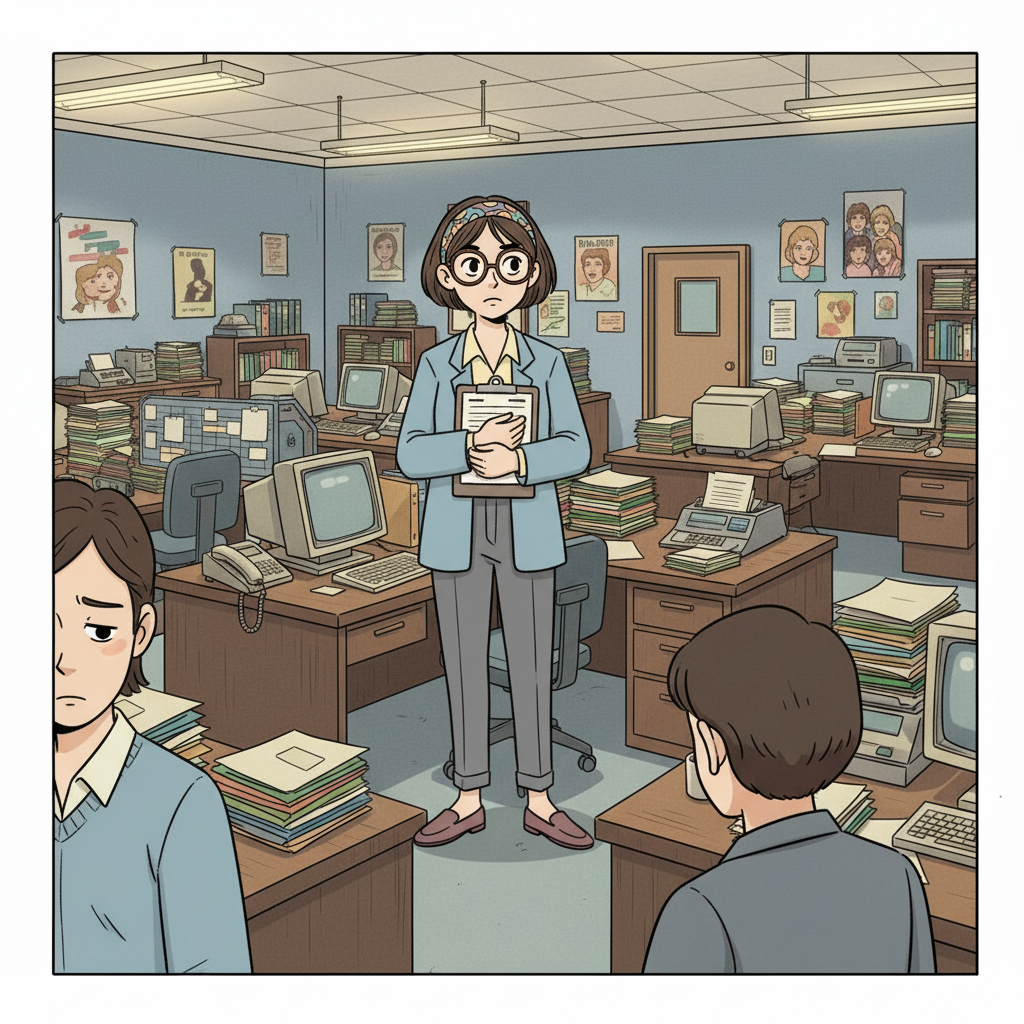
Lab results can be lost in the transition.
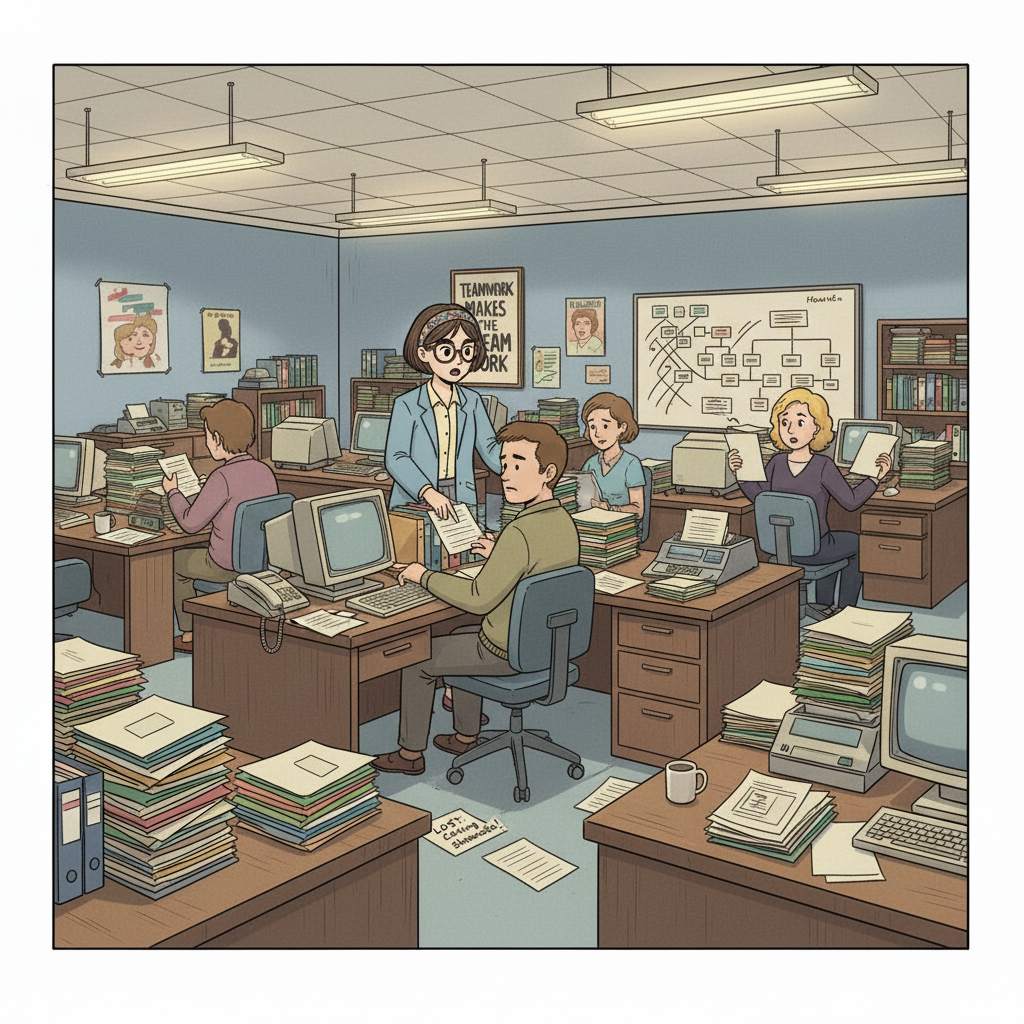
Outdated protocols can delay patient treatment.
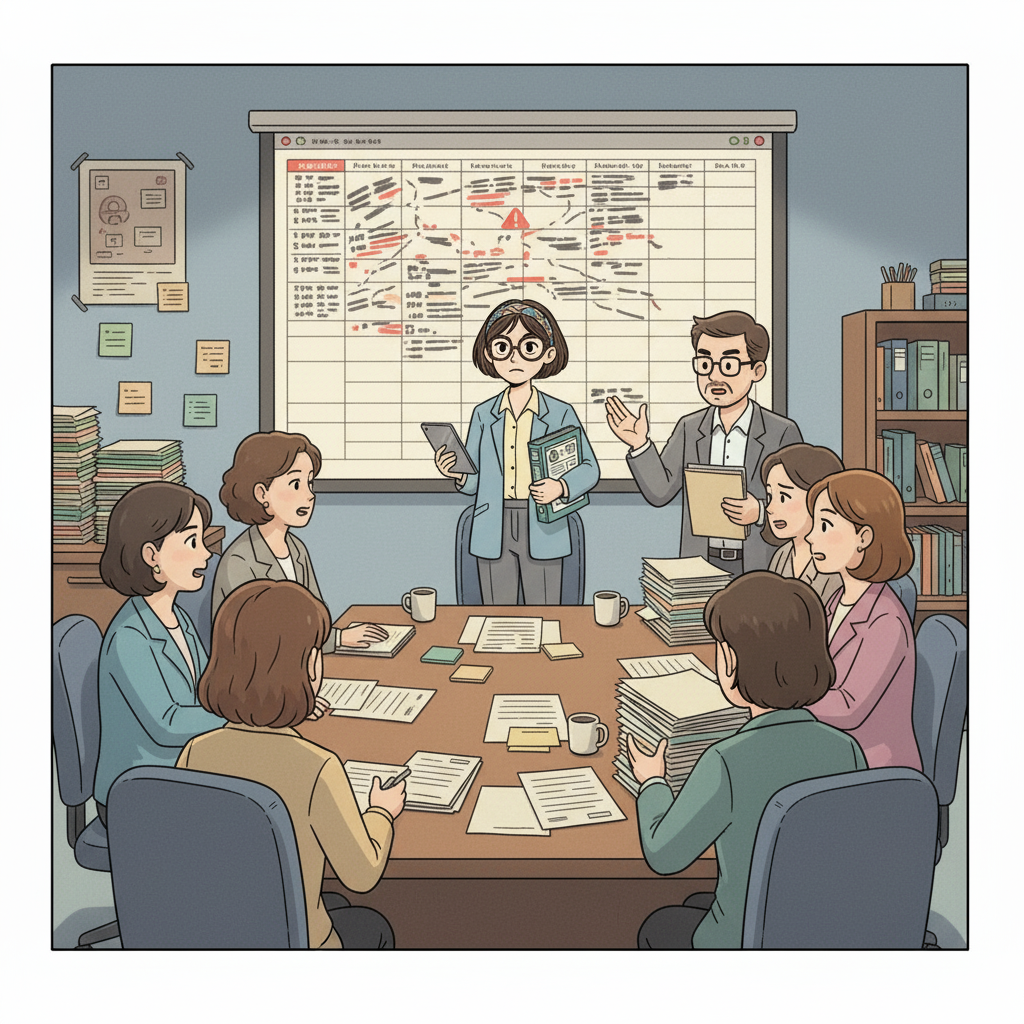
Lost documentation can lead to miscommunication.

The lab-results workflow and the system access are in the Knowledge Transfer Report; open questions marked.
In hospital operations, the people who keep the place running rarely touch a chart. They know which vendor actually delivers, why the schedule is built that way, which floor’s equipment fails first. When they resign, that operational memory goes — and a guided interview captures it, confirmed by them, before it does.
The notice lands on a Tuesday. Your operations coordinator is going, about two weeks, and nothing on paper looks broken. That is the problem.
What they hold is the shape of the place. Which supplier ships short and needs chasing on a Thursday. Why the weekend rota looks strange, and what happened the last time someone made it look sensible. Which piece of non-clinical kit fails first when the building gets warm.
For a week or two, the routine carries the department. Then something needs a decision, and nobody knows why the current arrangement exists. Capturing the reasoning while the person is still here reduces that risk. It does not remove it.
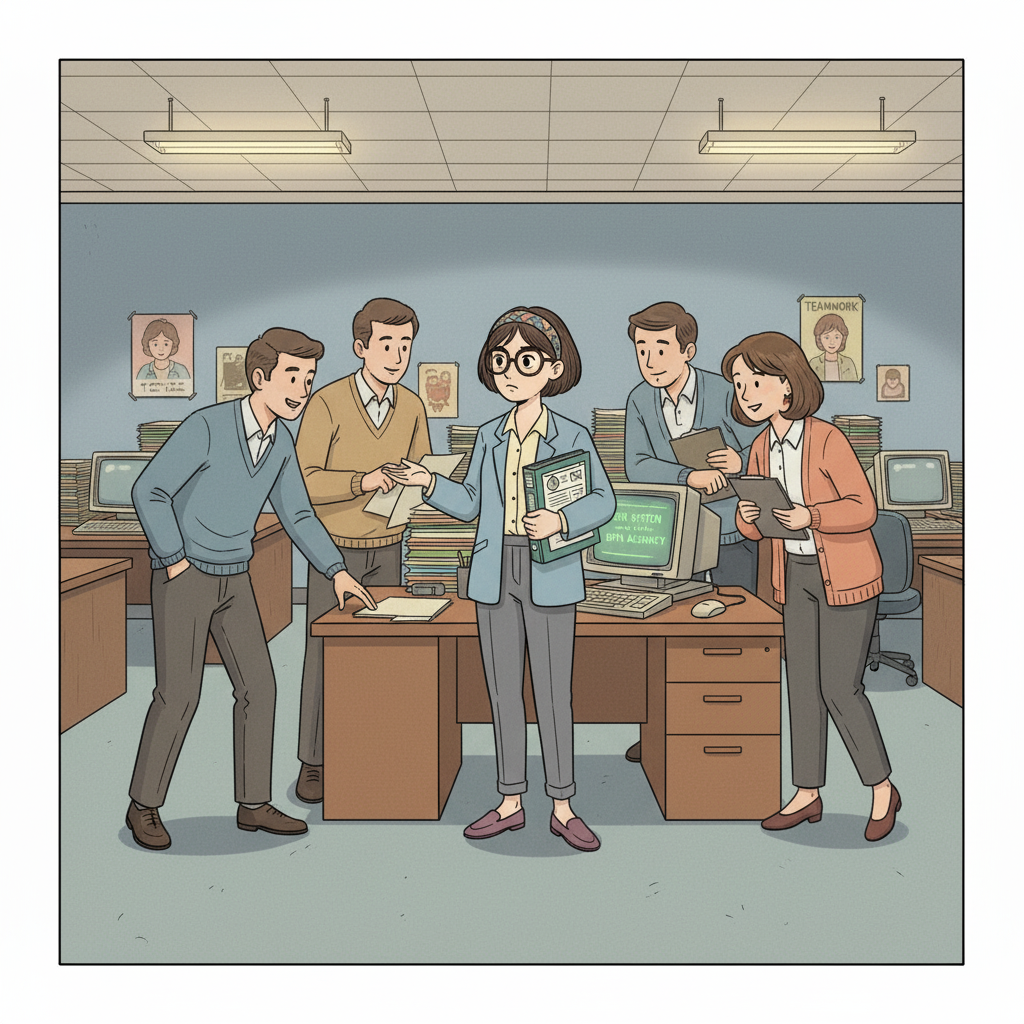
Ask them what they do and you get a job description. Ask them what would surprise their replacement and you get the real inventory.
None of it is written down. It is carried in a head, and it walks to the car park.

The interview is a conversation, not a form. It is voice-first, and the employee chooses voice or text. It follows the answers: a vendor mentioned in passing gets a follow-up, and the follow-up is usually where the useful part is.
Every fact pulled out of the conversation goes back to them to confirm, edit, or reject. That single step is what separates a transcript from something a manager can act on. If they are unsure about a detail, it stays marked as uncertain.
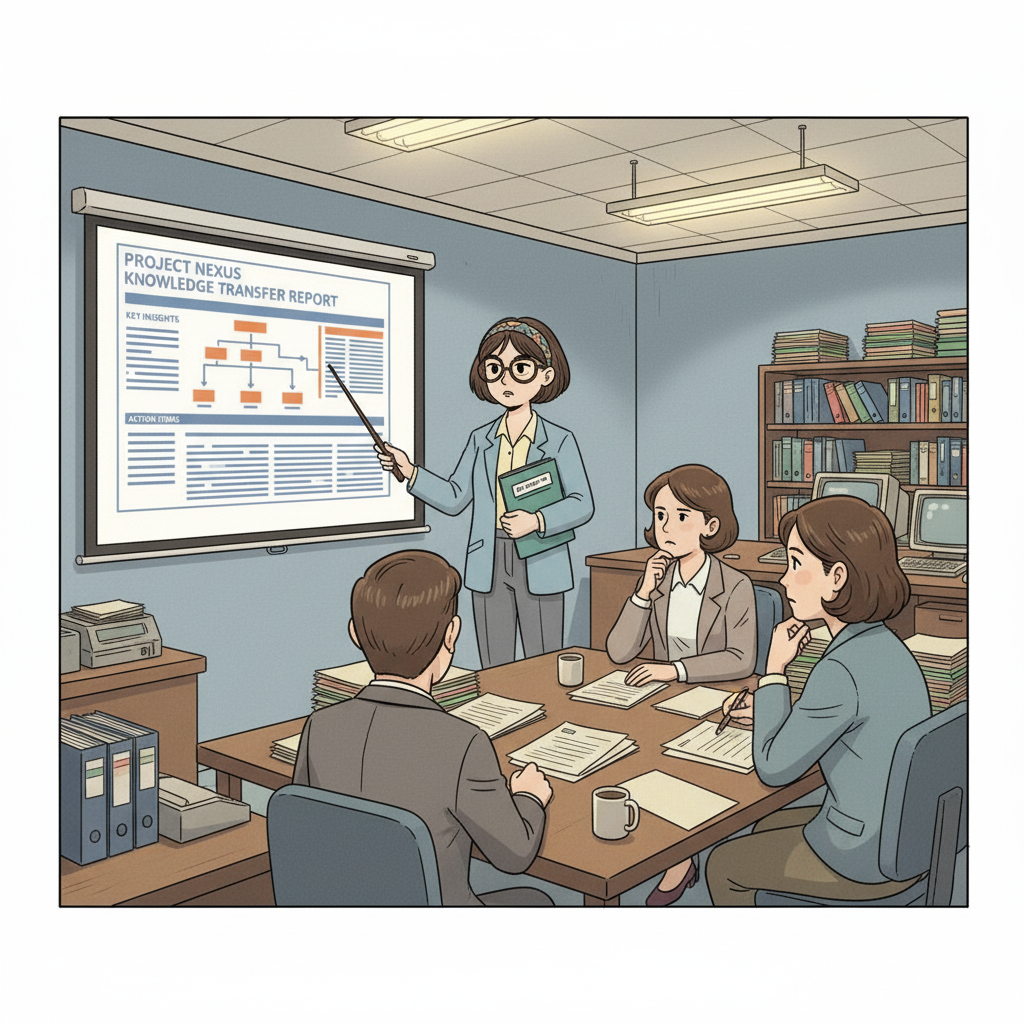
Manager-ready means readable in one sitting, and honest about its own edges. Here is the shape of it — an illustration, not a real report from a real hospital.
“Linen deliveries arrive Monday and Thursday; short deliveries are chased through the depot supervisor, not the account line.”
“The theatre scheduling template was changed in spring for a reason she could not fully recall. Ask the charge nurse before changing it back.”
“Vendor arrangements for the outpatient site were not discussed; the topic budget ran out first.”
Gaps are an output, not a failure. A named gap can be assigned to someone. A silent one cannot.

Five of the questions a guided offboarding interview puts to an operations lead, and why each one earns its place.
Vendor behaviour is relationship knowledge, and it never appears on the contract.
The abandoned versions explain the current one and stop the next person repeating them.
The real fix is rarely the documented one, and the difference costs hours.
Single-owner systems are where access quietly disappears on the last day.
It surfaces the things too obvious to mention and too expensive to rediscover.
A short series about what actually left when one person did.
A full Knowledge Transfer Report for an Operations Director, start to finish.
One $1,000 credit per offboarding. No subscription. Your first offboarding runs free for 7 days — you buy the credit when you unlock its Knowledge Transfer Report.
The role that holds day-to-day delivery together.
The manager learns the key employee is leaving and initiates the knowledge transfer process.
The interview is booked early in the notice period, scheduled around shift patterns so the person isn’t pulled away from a live unit.
The session draws out which suppliers actually deliver, why the rota is shaped the way it is, and the non-clinical systems this person administers alone.
A structured Knowledge Transfer Report is produced from the confirmed facts, with open questions and a section on what was not covered.
The incoming coordinator and the manager walk the report together, close the open questions, and confirm vendor contacts and system access before the leaving date.
Operational clarity, mostly. The rota keeps running and the deliveries keep arriving, but the reasoning behind both goes quiet. A guided interview captures the vendor history, the scheduling logic, and the systems only they administered, in their words and confirmed by them.
Fit here is decided by the role, not the building: operations, scheduling, vendor, and non-clinical roles inside a hospital can be a strong fit — patient records and clinical data stay out of scope entirely. The interview asks how the operational side actually works: suppliers, rotas, facilities, non-clinical systems. If a role’s value is clinical judgment, this is not the tool for it.
Multi-session by design: up to 10 structured topics, voice or text, pause and resume anytime, with a total time budget of up to roughly 300 minutes. Time is budgeted, not promised. In practice that means it can be fitted around shifts rather than pulling someone off the floor for an afternoon.
A structured Knowledge Transfer Report: confirmed facts in plain language, the open questions the interview raised, and a section listing what was not covered. It is written to be read by a manager, not filed. It reduces risk; it does not claim to be complete.
Prevent operational disruptions when your Marketing Ops Manager leaves. Capture vital knowledge with our structured transfer process.
Learn the essential checklist and actionable steps for effective Knowledge Transfer for Retiring Employees before they leave.
When your IT or systems admin leaves, the setup reasoning and vendor contacts go too. A guided interview captures that context, never the secrets.
Secure critical knowledge from your departing Operations Manager using our comprehensive checklist and insights.