 My Employee is Leaving
Read the story
A short series about what actually left when one person did.

When experienced staff leave, detailed operational knowledge often walks out the door.

Sudden departures can lead to significant operational delays.

Training continuity breaks when the person who ran it leaves without a handover.

Equipment specs and vendor contacts, in the Knowledge Transfer Report — the junior tech starts there.
Client satisfaction drops, and operational efficiency declines when experienced technicians depart without knowledge transfer.
The most critical areas for documentation include equipment knowledge and safety protocols.
Undocumented workflows and shadow systems often remain unaccounted for in knowledge transfers.
Initiating a structured knowledge capture session should be a top priority.
Losing a technician can trigger a chain reaction of failures across various operational domains.
With the exit of knowledgeable staff members, safety compliance becomes vulnerable. Organizations can face penalties when training and compliance protocols aren’t adhered to, often due to gaps in mandatory procedures structured around thorough knowledge transfer.
Dependence on individual technicians for client relationship management can destabilize operations. Direct connections with clients may be lost instantly, negatively impacting service continuity and customer satisfaction.

Understanding the crucial knowledge areas technicians maintain can highlight the importance of effective knowledge transfer.
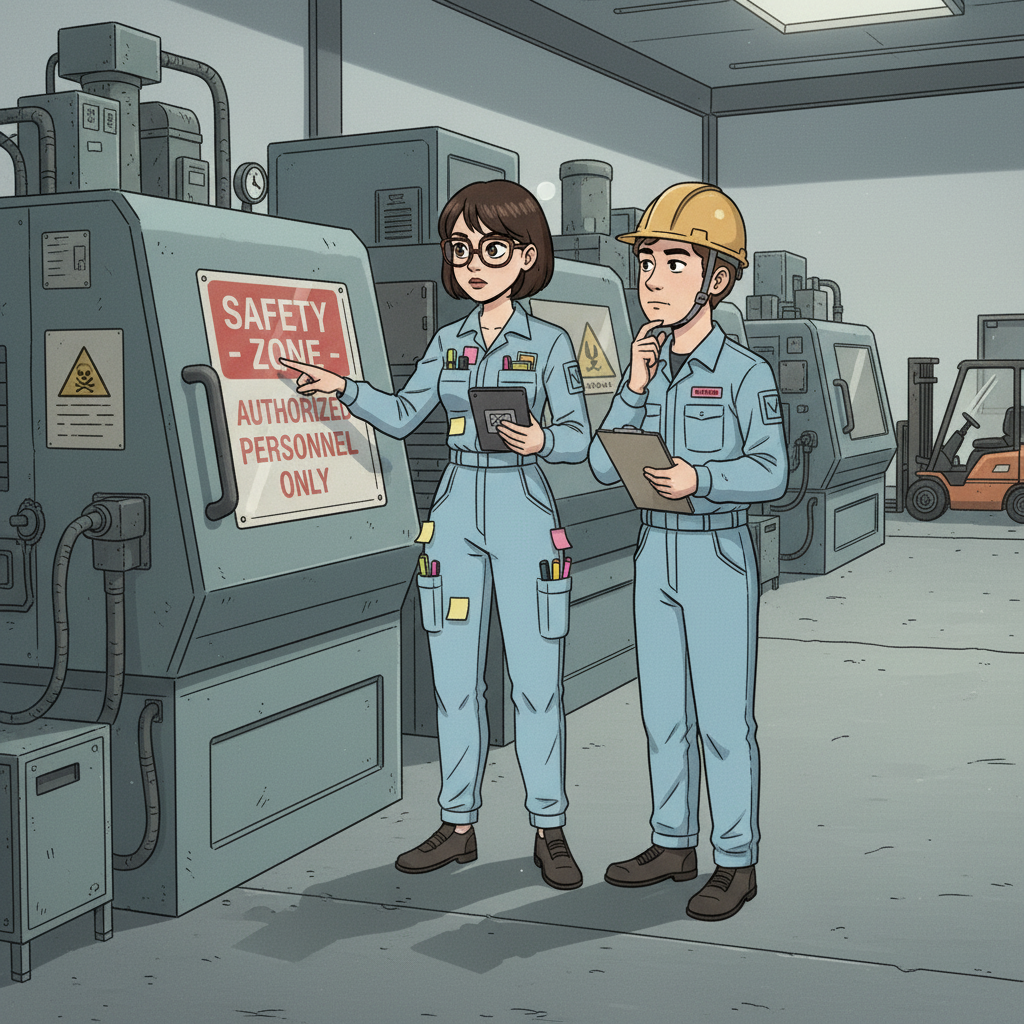
An AI-driven interview process can probe deeper into organizational workflows that technicians often take for granted, revealing essential undocumented knowledge.
What specific CMMS functionalities do you rely on daily?
How does the ERP system support your logistical needs?
Which vendors are critical to your day-to-day operations, and what informal agreements exist?
Are there common issues you resolve with vendors that aren’t formally documented?
What must-have tools do you use outside established SOPs to maintain efficiency?
Can you share crucial insights from your previous experiences with safety incidents or compliance failures?
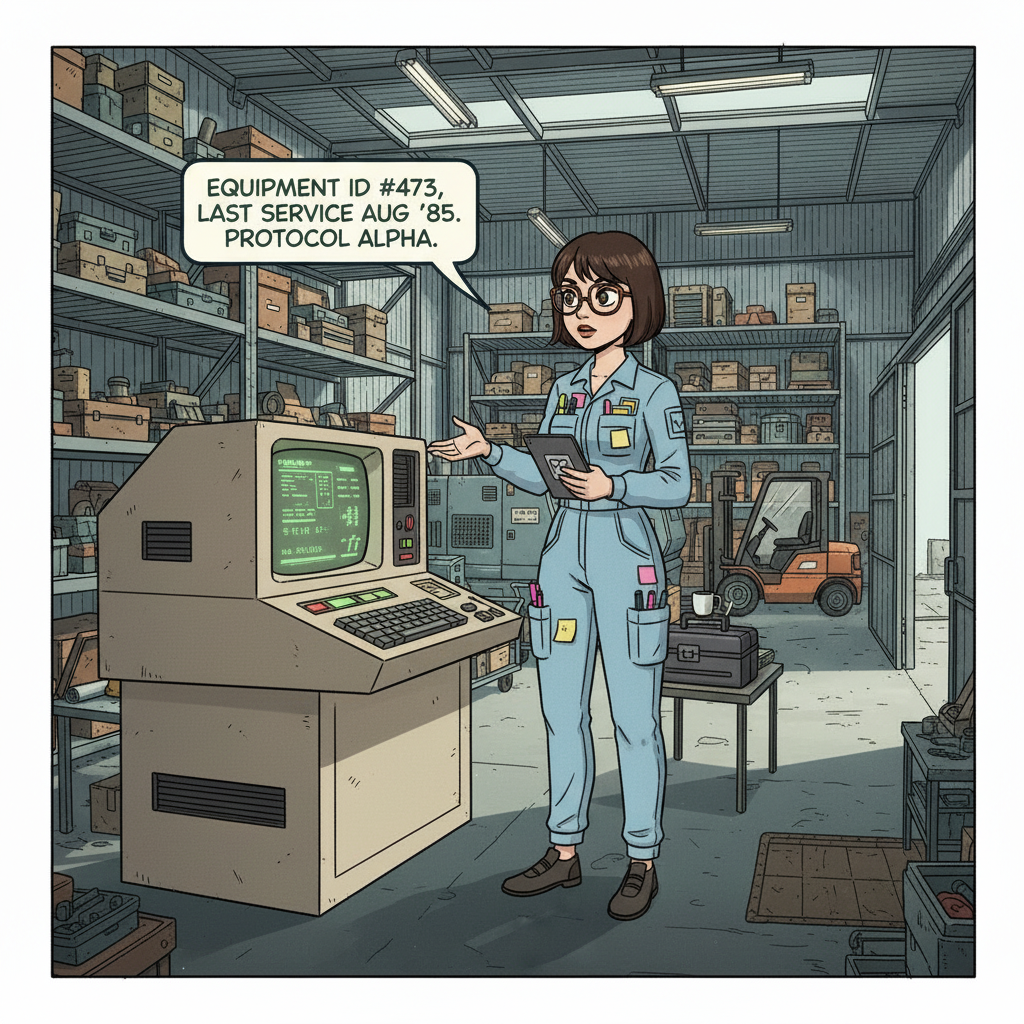
A thorough knowledge transfer report serves multiple functions in reducing operational risks during transitions.
Operational playbooks document the intricacies of service delivery, including technical standards and protocols that new employees must follow to avoid disruptions.
Risk assessments identify potential vulnerabilities in workflows and compliance, guiding preemptive actions to avert incidents.
Handover checklists outline essential knowledge areas and contact lists vital for continued service smoothness, defining clear paths for newcomers.

A structured approach to capturing critical knowledge during employee transitions.
Review and record all critical details regarding machinery, including maintenance histories and service contracts within the CMMS.
Collect all personalized service instructions or requirements unique to clients, ensuring all actions are logged in the CRM.
Ensure compliance training materials are up-to-date and all safety protocols are documented and accessible.
List key vendor contacts and arrange transitional meetings for the new employee to ensure continuity in negotiations.
Conduct a thorough inventory audit using the inventory management system, resolving any discrepancies before departure.
A short series about what actually left when one person did.
A real Knowledge Transfer Report, start to finish.
One $1,000 credit per offboarding. No subscription. Your first offboarding runs free for 7 days — you buy the credit when you unlock its Knowledge Transfer Report.
The role that holds service delivery together.
The manager learns the key employee is leaving and initiates the knowledge transfer process.
An interview slot is set between service calls so the departing technician can cover their accounts without a customer visit being missed.
The interview pulls out per-site quirks, parts sourcing habits, calibration routines, and which customers need a particular touch.
A structured knowledge transfer report is produced, covering all critical domains, handover checklists, and risk areas.
The dispatch and service leads review the report route by route, fill any gaps on problem accounts, and complete the handover before the technician’s last rotation.
When a technician leaves, client relationships may suffer due to a lack of documentation on service-specific preferences and operational processes. Additionally, compliance risks can escalate if safety training information is misplaced.
Industry does not decide fit — the role’s knowledge does. A non-regulated role inside a bank, hospital, or other regulated organization can be a strong fit. It’s designed for operational knowledge — process ownership, vendor history, and day-to-day judgment; regulated records and controlled data stay out of scope.
Fit is decided by the role’s knowledge, not the obligations around it — site quirks, customer history, and how work is actually scheduled are in scope, while controlled safety records and audit data stay out of it.
Implementing AI-assisted interviews allows for structured questioning about critical areas such as safety protocols and service procedures, capturing nuances often unrecorded.
It’s multi-session by design, not a single sitting. An offboarding can cover up to ten structured topics with a total interview budget of around 300 minutes — in voice or text, paused and resumed around the person’s actual work. Time is budgeted, not promised: if topics don’t complete, the report says so rather than filling the gap.
Ensure a successful knowledge handover when your construction lead leaves. Capture insights and prevent operational hiccups with our checklist
Explore effective knowledge transfer strategies to capture critical information when an employee gives two weeks notice, ensuring smooth transitions.
Get actionable insights and a checklist for knowledge transfer when your Site Reliability Engineer leaves. Preserve critical operational knowledge.
Utilize our checklist and strategies to capture essential knowledge from Supply Chain Managers before they leave.
Secure critical knowledge from your departing Operations Manager using our comprehensive checklist and insights.