 My Employee is Leaving
Read the story
A short series about what actually left when one person did.

When a key developer announces their departure, panic ensues over missed project milestones.
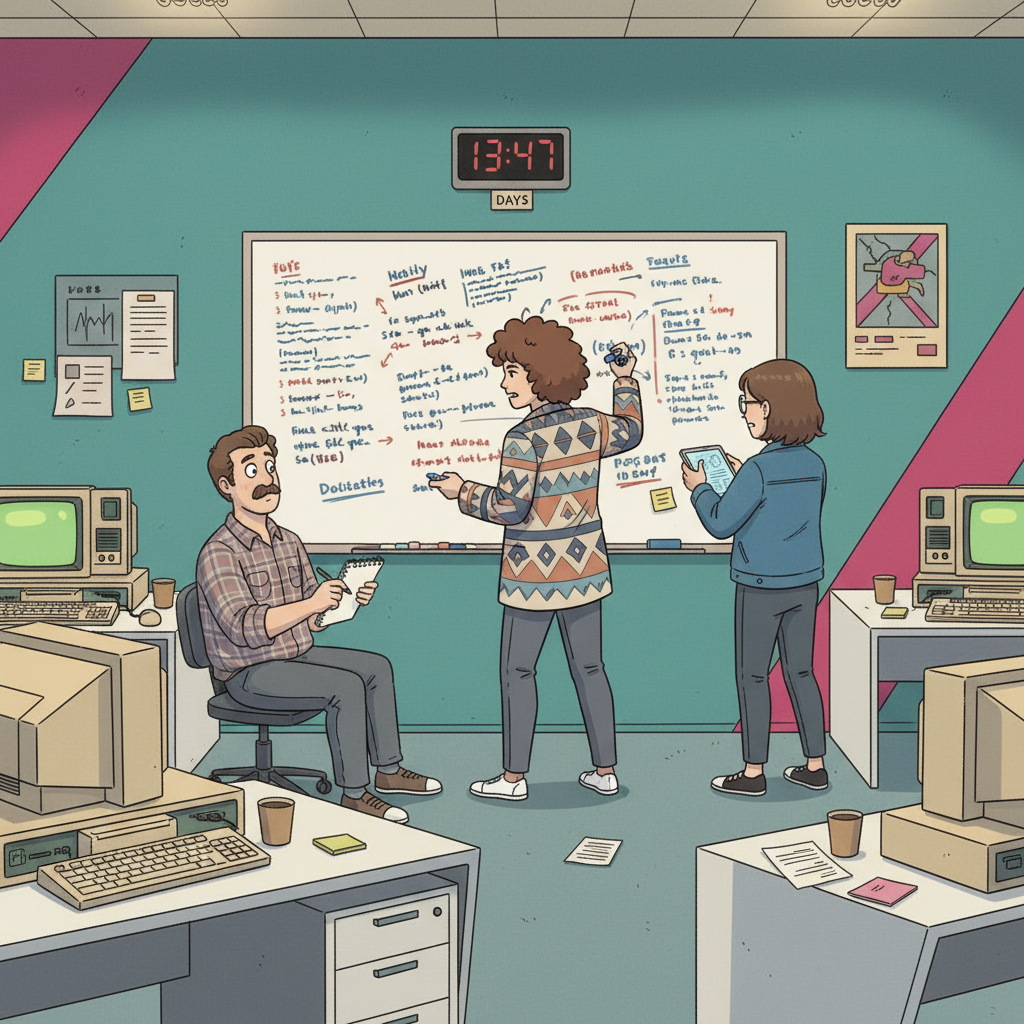
Customer support struggles without access to vital customer data and context, risking satisfaction.

Without documented processes, the engineering team faces roadblocks in critical integrations.
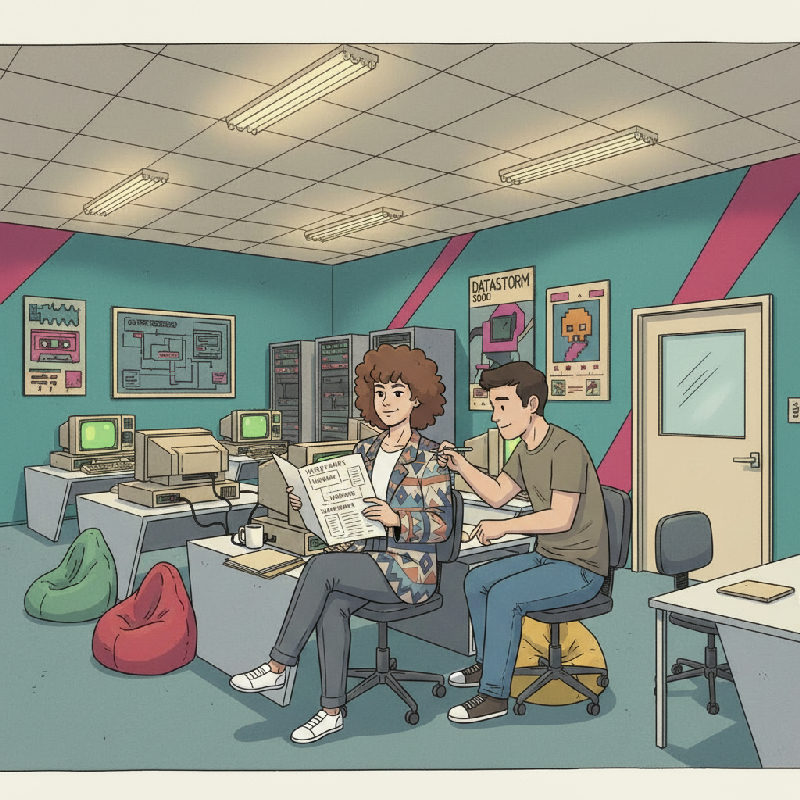
The integrations and vendor agreements are in the Knowledge Transfer Report; the black boxes are named.
Key knowledge about systems, processes, and customer relationships often goes untransferred, leading to significant operational challenges.
Prioritize documenting critical product knowledge, integrations, and customer data to ensure continuity.
Undocumented workarounds and informal communication channels often lead to knowledge loss.
Schedule knowledge transfer sessions immediately to capture vital insights before the departure.
When a member of your SaaS team departs, the repercussions can be significant. Here’s how it can impact various operational areas:
Customer relations can falter quickly if key information is lost. This often results in:
The engineering team’s productivity can plummet, particularly through:
All these scenarios underline the critical nature of effective knowledge transfer.

The knowledge held by your SaaS team members spans various domains that are critical for continued operations.
Understanding these areas can help capture essential information:
Their knowledge is not just academic. Regular tasks often lost in transition include:
These domains significantly affect operation efficiency, and transferring them is crucial for maintaining business continuity.

Leveraging an AI interview can unearth insights that otherwise might be lost. Here are targeted areas the AI should explore:
Each of these questions aims to gather detailed insights that bridge knowledge gaps left by departing team members.

A structured knowledge transfer report is integral for maintaining operational continuity. Here’s what it typically includes:
Such reports are essential to not only facilitate smooth transition for SaaS / Technologys but to ensure that the knowledge transition is effective and actionable.
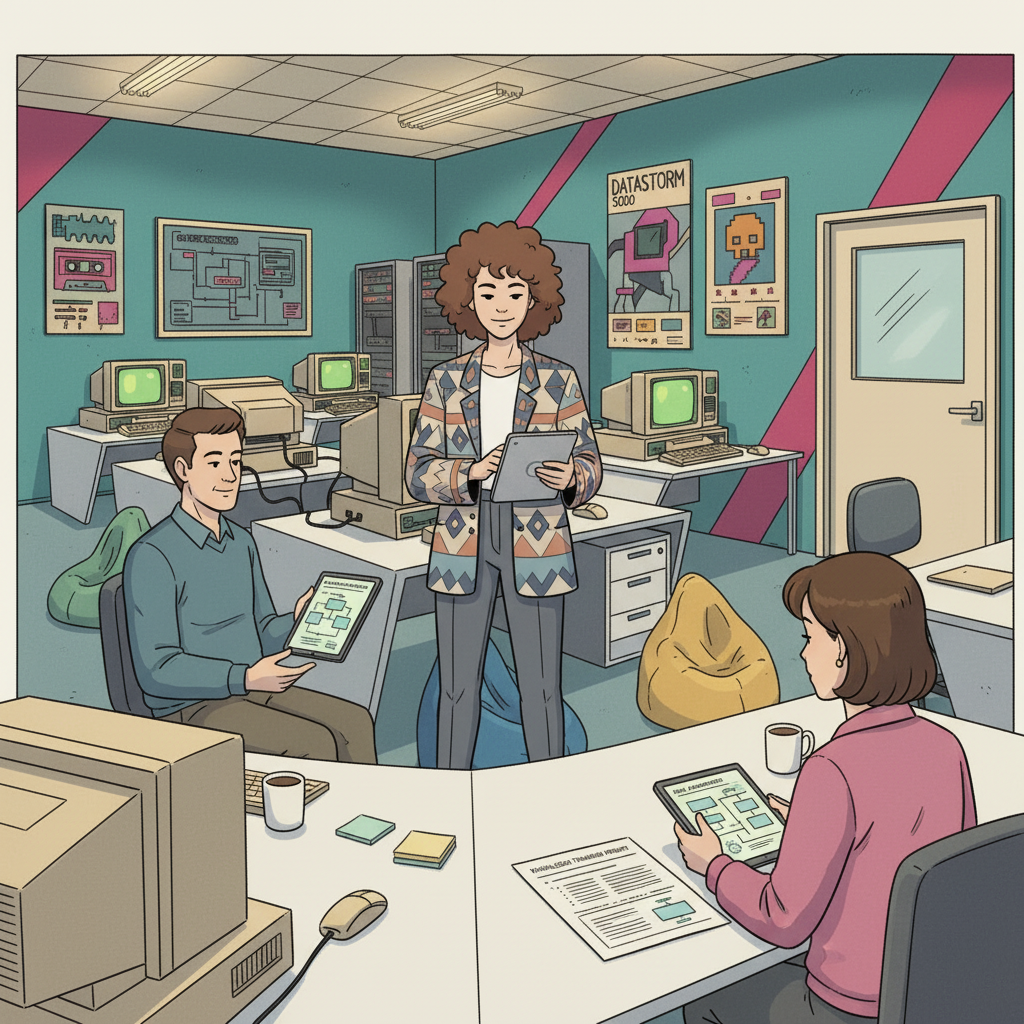
A guide to ensure crucial knowledge is captured before a vital team member departs.
Use your API tooling for clear documentation and examples of all API interactions.
Ensure CRM data reflects ongoing projects and relevant escalation paths.
Map out key vendors’ contact details and interaction history for future reference.
Create playbooks that detail regular tasks including compliance audits and performance reviews.
Collaborate with the departing member to highlight any non-standard processes that are in regular use.
Arrange for time slots dedicated to transferring crucial knowledge, ensuring all team members are present.
A short series about what actually left when one person did.
A real Knowledge Transfer Report, start to finish.
One $1,000 credit per offboarding. No subscription. Your first offboarding runs free for 7 days — you buy the credit when you unlock its Knowledge Transfer Report.
The role that carries the pager and the context.
The manager learns the key employee is leaving and initiates the knowledge transfer process.
The session is slotted around sprint and on-call commitments so the departing engineer or account manager can talk through their systems and customers.
The interview records deploy quirks, integration edge cases, why a design decision was made, and which customers run non-standard setups.
A structured knowledge transfer report is produced, covering all critical domains, handover checklists, and risk areas.
The squad reviews the report alongside the runbooks, fills gaps on on-call and account context, and completes handover before access is revoked.
Operational disruptions can occur when a team member leaves, particularly in areas of customer support and engineering, leading to unresolved issues and downtime.
Industry does not decide fit — the role’s knowledge does. A non-regulated role inside a bank, hospital, or other regulated organization can be a strong fit. It’s designed for operational knowledge — process ownership, vendor history, and day-to-day judgment; regulated records and controlled data stay out of scope.
Fit is decided by the role’s knowledge, not its access level — architecture reasoning, incident history, and customer escalation paths are in scope, while credentials, secrets, and customer records stay out of it.
Utilizing structured interviews and documentation processes helps in capturing their insights, processes, and customer relationships effectively.
It’s multi-session by design, not a single sitting. An offboarding can cover up to ten structured topics with a total interview budget of around 300 minutes — in voice or text, paused and resumed around the person’s actual work. Time is budgeted, not promised: if topics don’t complete, the report says so rather than filling the gap.
A QA manager's real value is knowing which defect matters. A guided interview captures that judgment before they leave, confirmed by them.
Explore our DevOps Engineer knowledge transfer checklist to ensure process, deployment, and operational insights are documented before departure.
When your IT or systems admin leaves, the setup reasoning and vendor contacts go too. A guided interview captures that context, never the secrets.
Secure critical knowledge from your departing Operations Manager using our comprehensive checklist and insights.