 My Employee is Leaving
Read the story
A short series about what actually left when one person did.
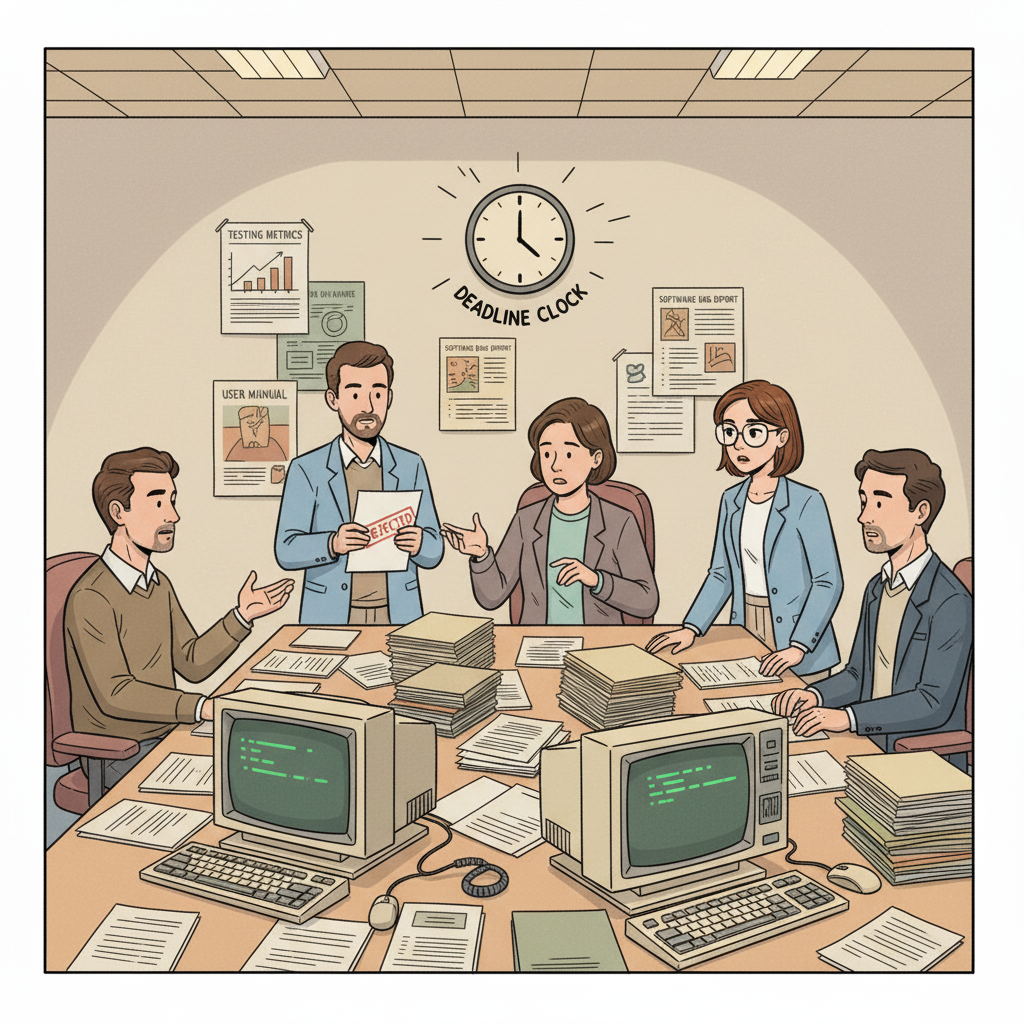
Sudden departure leads to chaos with unresolved defects.
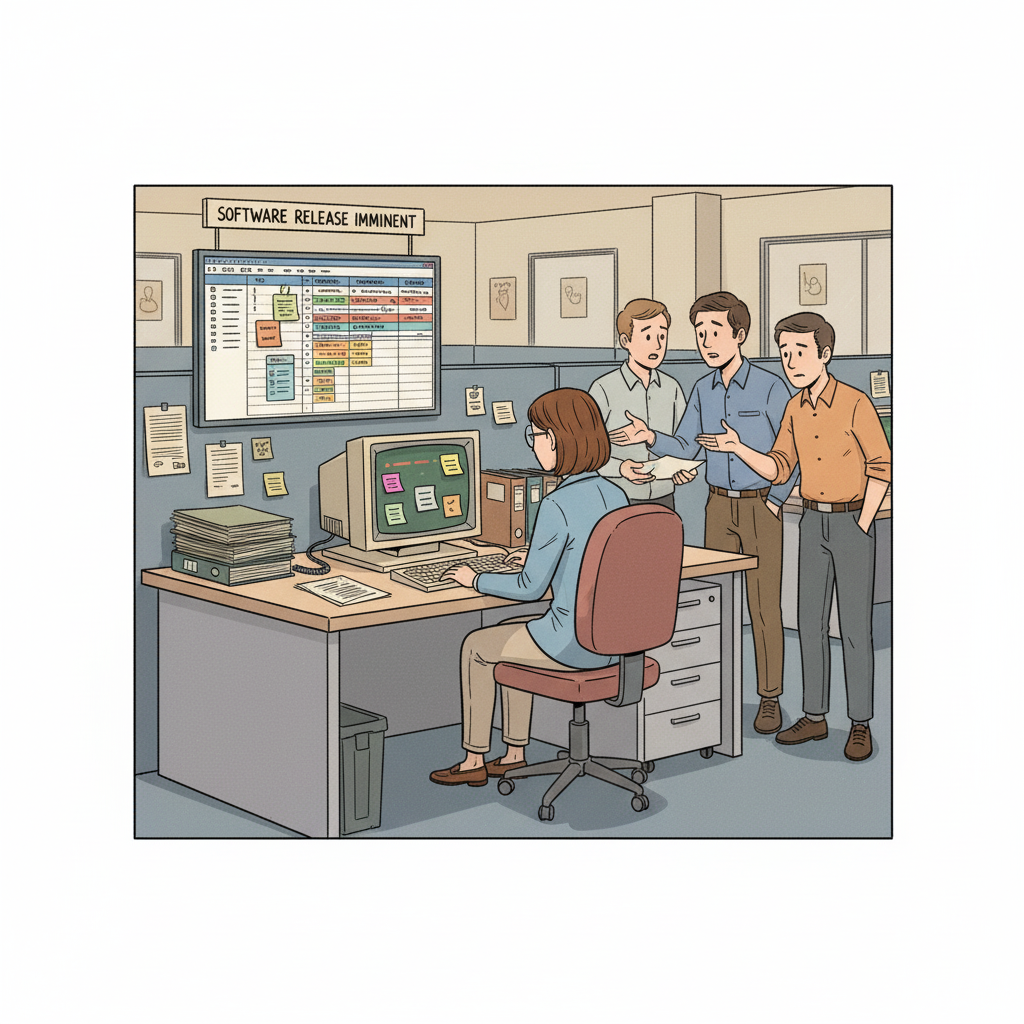
Automated tests fail, highlighting lost insights on defect patterns.
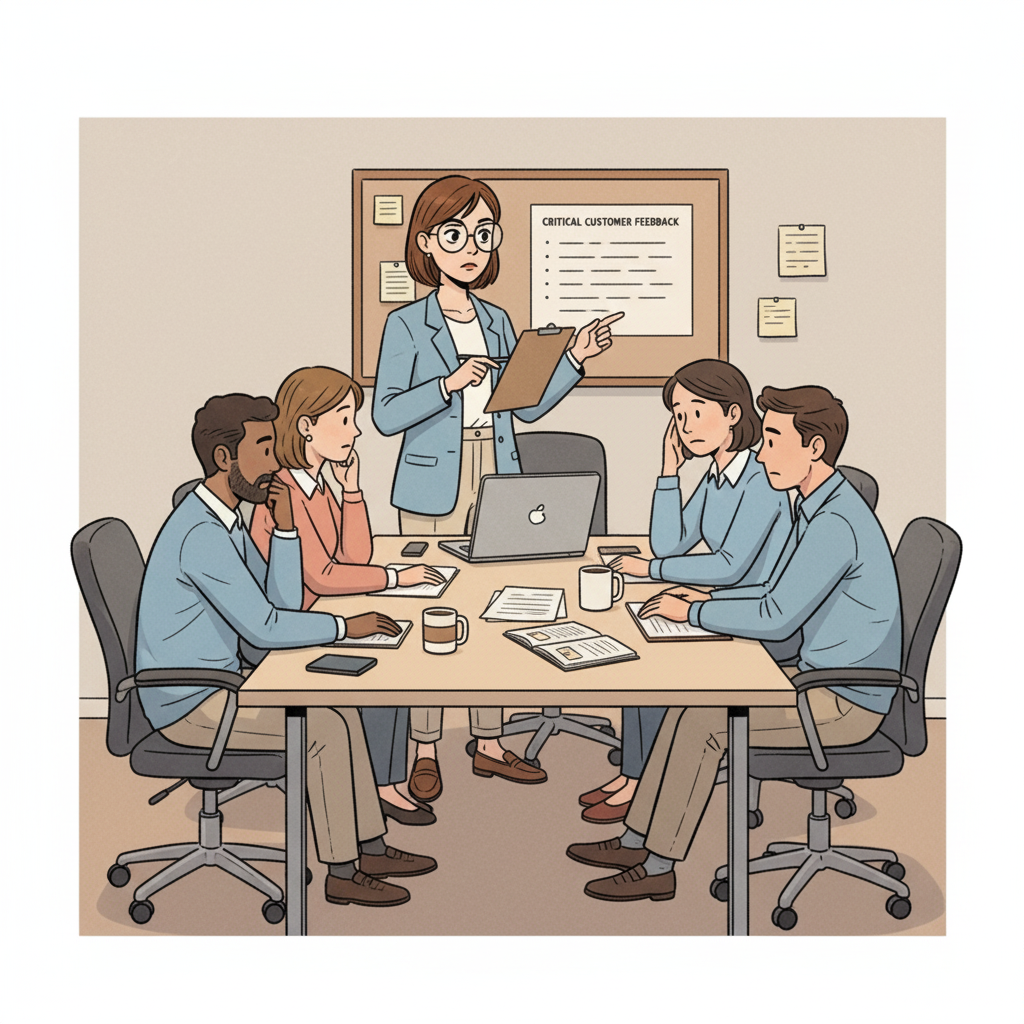
Miscommunication of quality metrics leads to a credibility crisis.
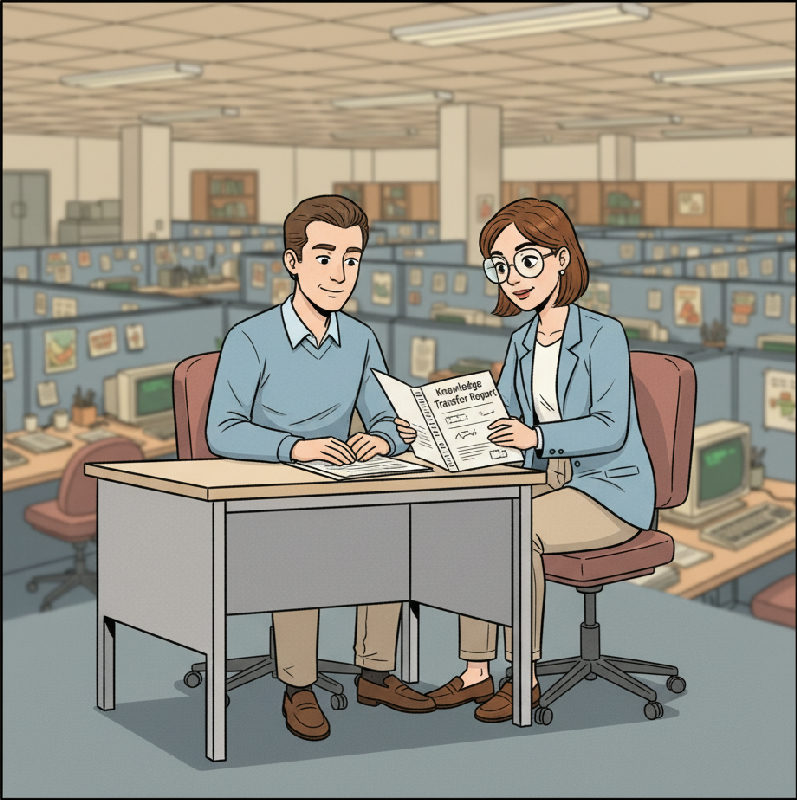
Defect patterns and severity rules, in the Knowledge Transfer Report — the open cases are listed.
In brief: what happens when a Quality Assurance Manager leaves?
A QA manager’s real skill isn’t running the inspection — it’s knowing which defect matters. Which supplier’s batches drift. Which reject is cosmetic and which is a warning. When they leave, the protocol stays and the judgment goes. A guided interview captures the judgment, confirmed by them.
What should a departing QA manager document first?
What quality knowledge is usually missed?
What should a manager do in the first two weeks after a QA manager leaves?
The notice arrives and the inspection plan does not change. Everything looks covered.
It is not the plan that is leaving. It is the person who could look at a reject and tell you whether it mattered, who remembered that this same problem showed up eighteen months ago and traced back to one supplier’s packaging change, and who knew which line drifts after a long run.
A defect returns, and the investigation starts from nothing because nobody knows what was already ruled out. Capturing the judgment first reduces that risk. It does not remove it.
Week one, the inspection plan runs as written. Around week four a reject that did not matter gets escalated, and one that did gets waved through. By month three the seal defect returns and the investigation starts from nothing, because the supplier’s film change was in one person’s memory. The Knowledge Transfer Report keeps the defect patterns and the severity rules, with the open cases listed.
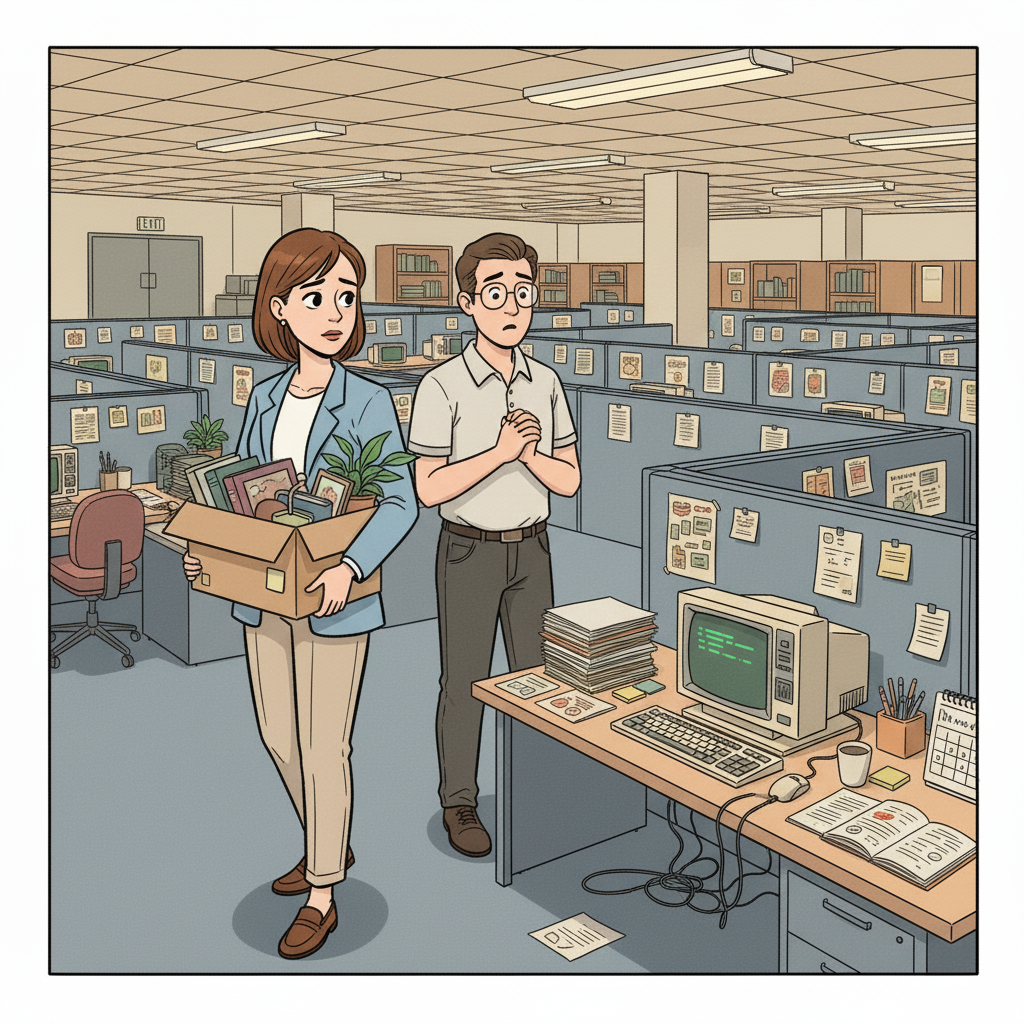
Inspection is teachable. Discrimination is not, at least not quickly.
That is the substance of the role, and it lives entirely in one person’s head.
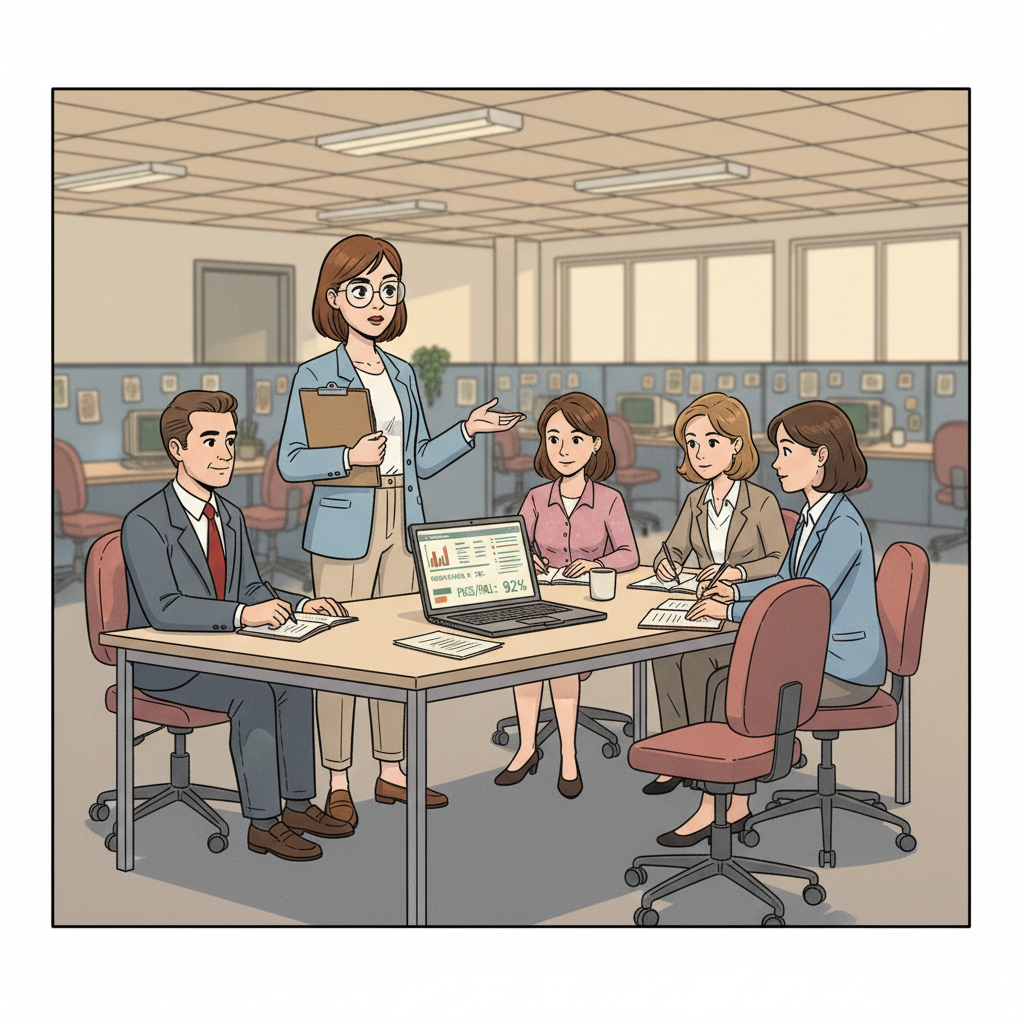
The interesting question is not how inspections are run. It is what happens when something sits on the line between acceptable and not.
Every QA manager has a working threshold, and it is rarely the documented one. The guided interview asks about specific recent calls: what the situation was, who was involved, what tipped it. Voice or text, their choice, across short sessions. Every extracted fact goes back to them to confirm, edit, or reject before it appears anywhere.
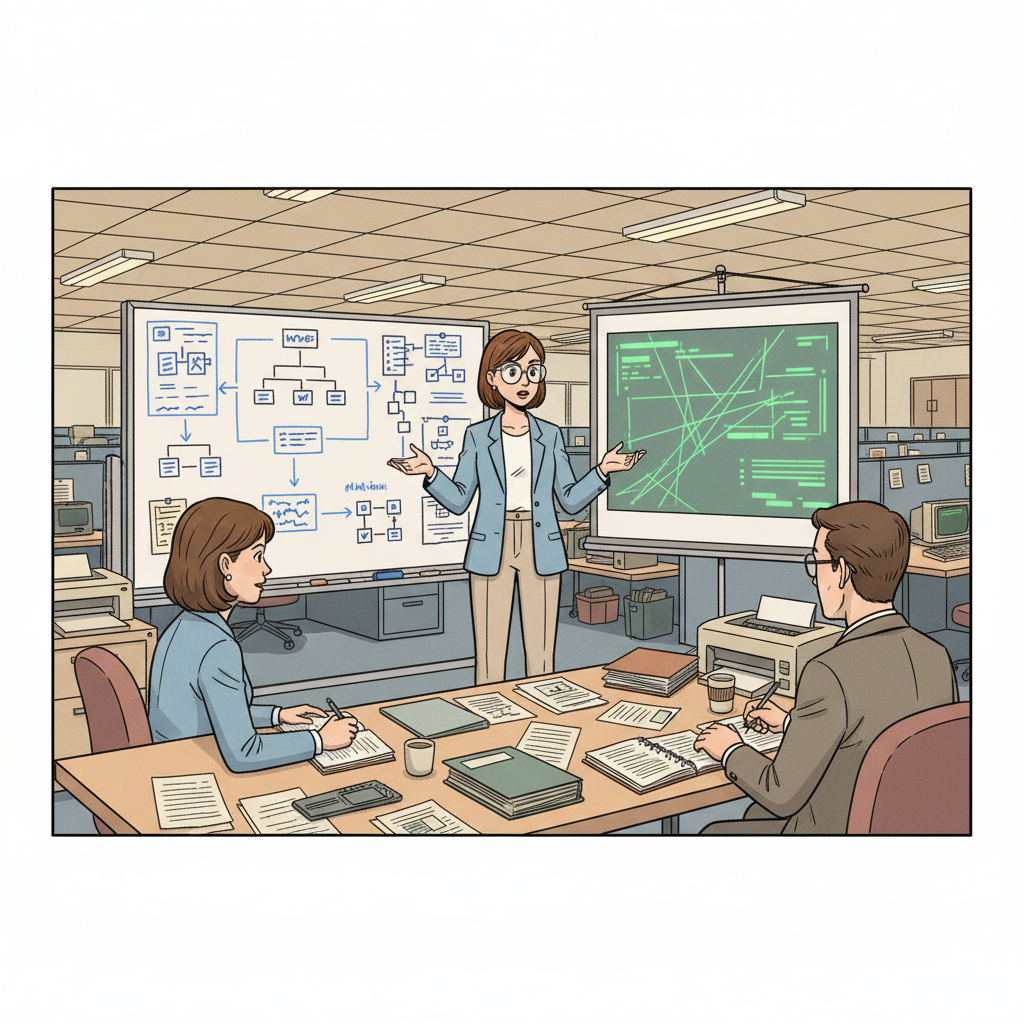
Three parts, in plain language. The lines below illustrate the shape and are not a real customer’s report.
“The seal defect on the small format traces to one supplier’s film change; the temperature setting was already ruled out.”
“She was unsure whether the revised sampling rate on line three was ever agreed in writing. Confirm before changing it.”
“Incoming goods checks for the secondary site were not discussed — the time budget went on defect history.”
The gaps are output, not failure. They tell the next person exactly where to start asking.
Next: a sample Knowledge Transfer Report if you want to see the output itself, or the manufacturing guide for how this looks across a whole operation.
Five questions the guided interview puts to a departing QA manager, and what each one is for.
Pattern memory is the single most expensive thing to rebuild from scratch.
It maps the gap between where the checklist looks and where the risk sits.
Drift is only visible to someone who has watched it happen.
A real example reveals the practical threshold better than any policy statement.
It catches the problem already forming before the next person inherits it.
A short series about what actually left when one person did.
A full Knowledge Transfer Report for an Operations Director, start to finish.
One $1,000 credit per offboarding. No subscription. Your first offboarding runs free for 7 days — you buy the credit when you unlock its Knowledge Transfer Report.
How this plays out across a manufacturing operation.
The manager learns the Quality Assurance Manager is leaving and initiates the knowledge transfer process.
An AI-guided interview session is scheduled with the departing Quality Assurance Manager to systematically capture institutional knowledge.
The AI interview extracts undocumented workflows, vendor relationships, decision rationale, and operational edge cases.
A structured Knowledge Transfer Report is produced from the confirmed facts, with open questions and a section on what was not covered.
The team reviews the report, identifies remaining gaps, and completes the handover before the departure date.
Judgment, not paperwork. The inspection plan stays exactly where it is. What goes is the ability to tell which defect matters, which supplier is drifting, and what has already been ruled out. A guided interview captures that, confirmed by them.
Fit is decided by what the role knows, not the audit regime around it. It’s designed for operational knowledge — which defects matter, supplier history, and the judgment behind a hold decision; controlled quality records and audit data stay out of scope.
Multi-session by design: up to 10 structured topics, voice or text, pause and resume anytime, with a total time budget of up to roughly 300 minutes. Time is budgeted, not promised. Short voice sessions between checks tend to work better here than one long booking.
A structured Knowledge Transfer Report: confirmed facts in plain language, the open questions raised along the way, and a section on what was not covered. Manager-ready, and honest about its own edges. It reduces risk; it does not claim completeness.
Capture crucial knowledge seamlessly when a SaaS team member leaves. Get operational playbooks, decision rationale documentation, and more.
Access a checklist and interview questions essential for effective knowledge transfer in professional services, ensuring operational continuity.