 My Employee is Leaving
Read the story
A short series about what actually left when one person did.
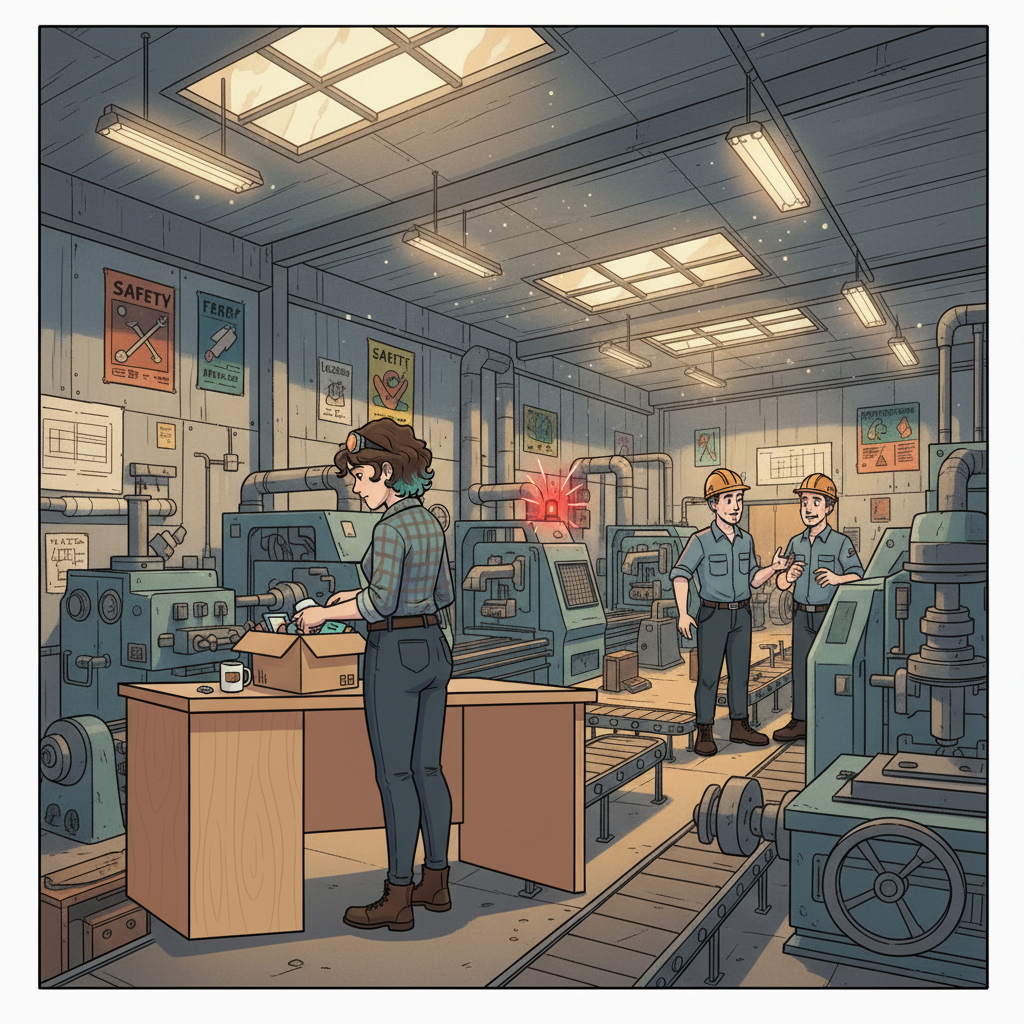
Unreported maintenance leads to machine failure, halting production.
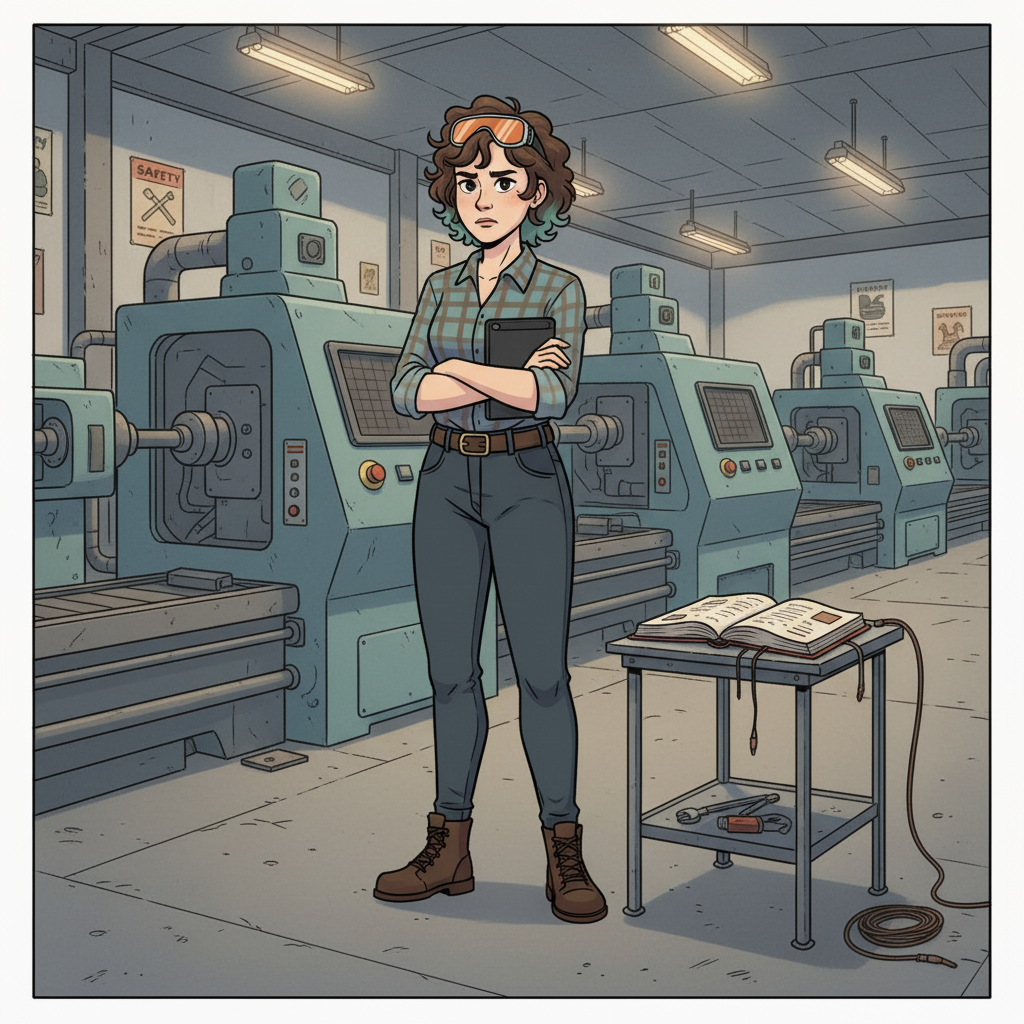
Inventory errors arise from lacking knowledge of stock levels and reorder points.
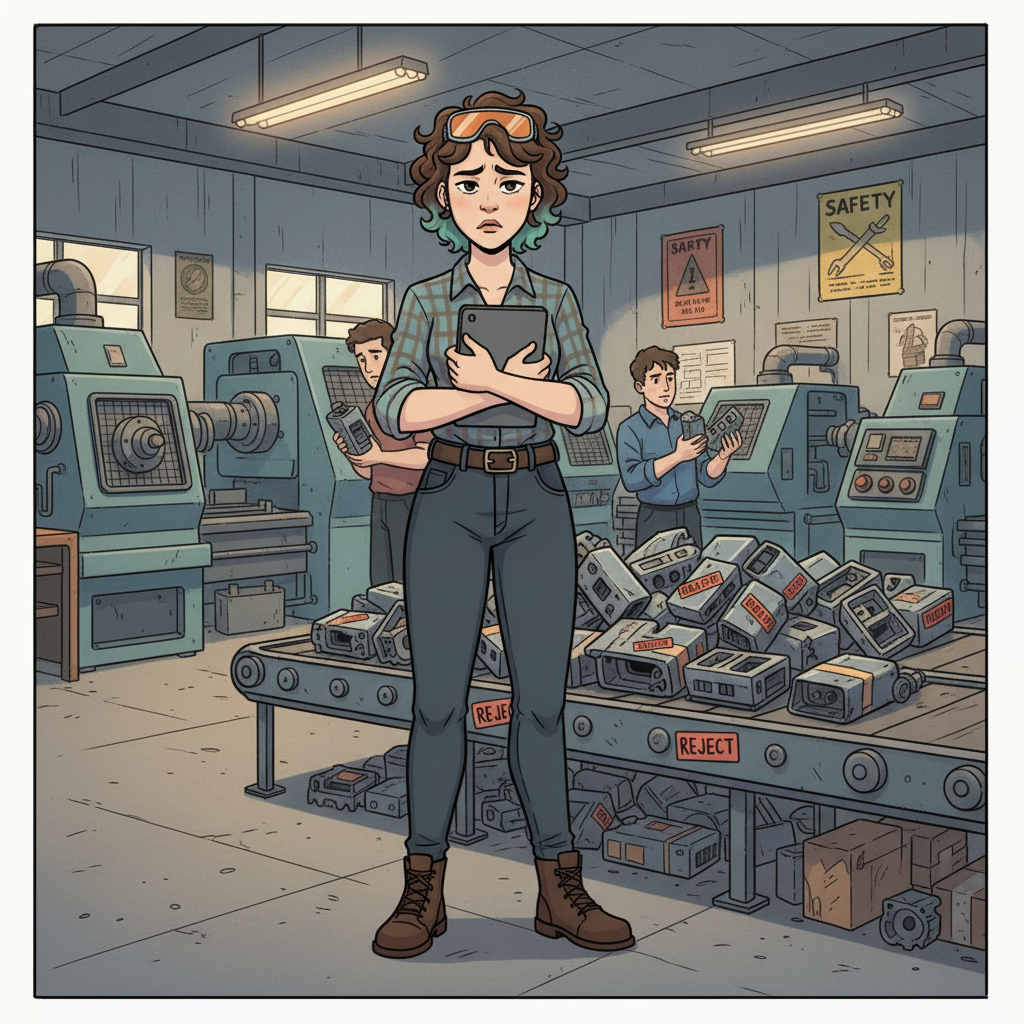
Compromised product quality due to absence of experiential quality standards.
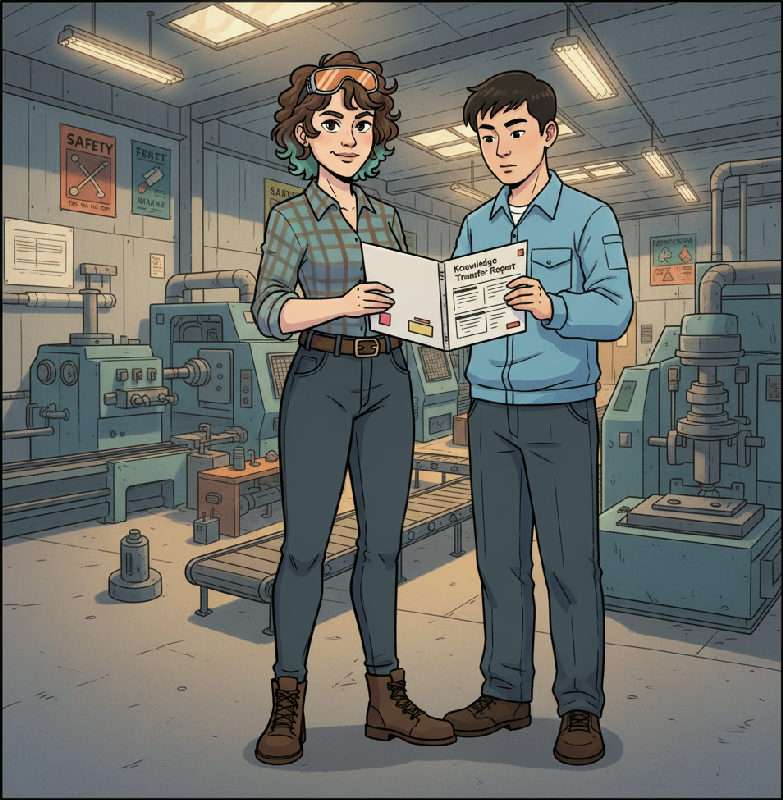
Maintenance history and supplier contacts, in the Knowledge Transfer Report — what’s still open is flagged.
Operations face significant disruptions, including production delays and quality issues.
High-priority areas include equipment maintenance protocols and quality inspection processes.
Crucial undocumented processes often include personal vendor contacts and informal procedural workarounds.
Immediately begin documenting processes and knowledge gaps relating to operations.
When a key employee departs, operational continuity is put at risk. Here’s what can happen:
With the departure of the inventory manager, there’s a significant risk of mismanaging stock levels. Teams may experience stockouts or excess production as they struggle to navigate the inventory management system without previous insights, affecting the entire supply chain.
The absence of established inspection protocols means that product quality may become compromised. Without the departing employee’s informal quality assurance processes, the QA team might miss critical defects during production checks, paving the way for compliance risks.
When production schedules are misunderstood due to lack of clarity from the departing team member, you may see delays in fulfilling orders, leading to customer dissatisfaction and potential loss of business.
Each of these scenarios reinforces the need for effective knowledge transfer to prevent operational breakdowns.
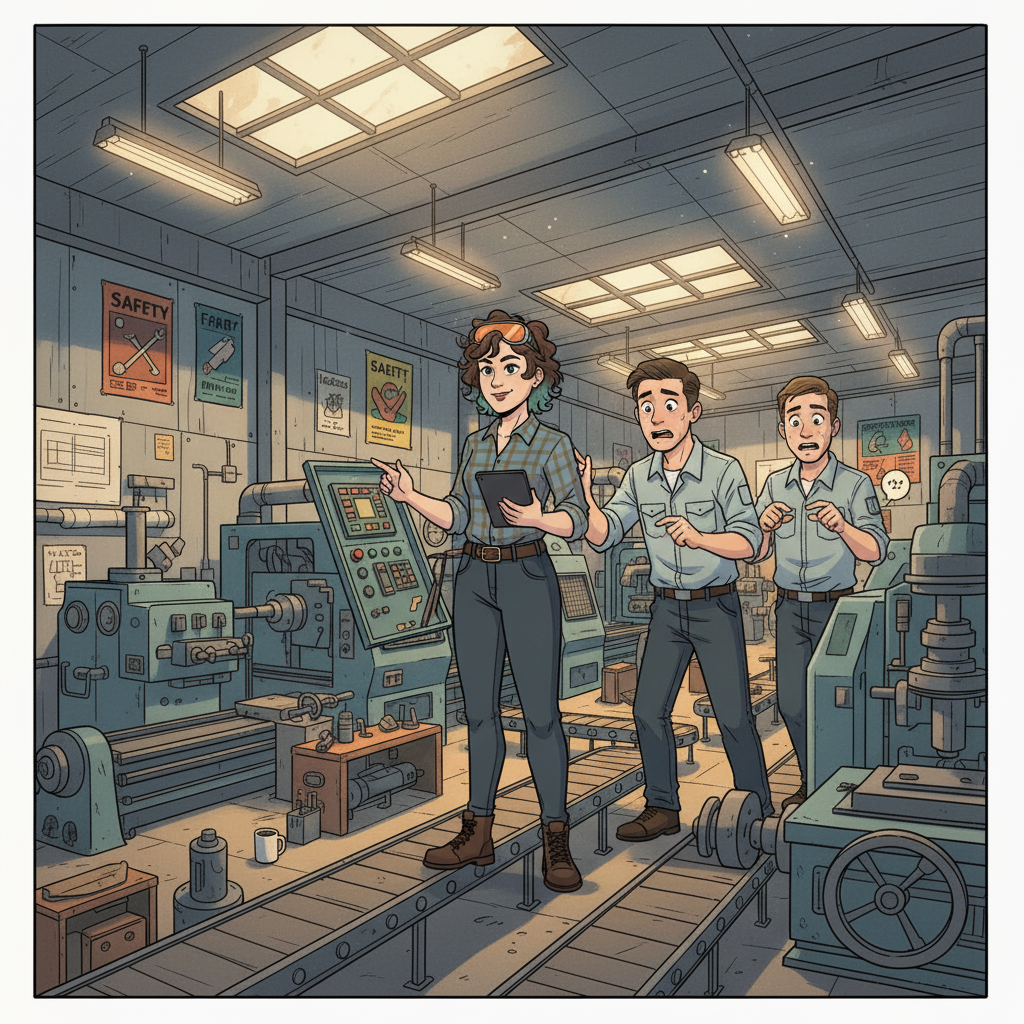
In a manufacturing context, the departing employee holds valuable insights that impact several key areas:
Understanding the specific workflows and production planning tools they use is critical for smooth operations:
Proactive equipment care is essential to avoid downtime:
Maintaining compliance requires a solid grasp of quality management:
Ensuring workplace safety is pivotal:
This extensive documentation helps ensure that ongoing operations continue smoothly despite any personnel transitions.
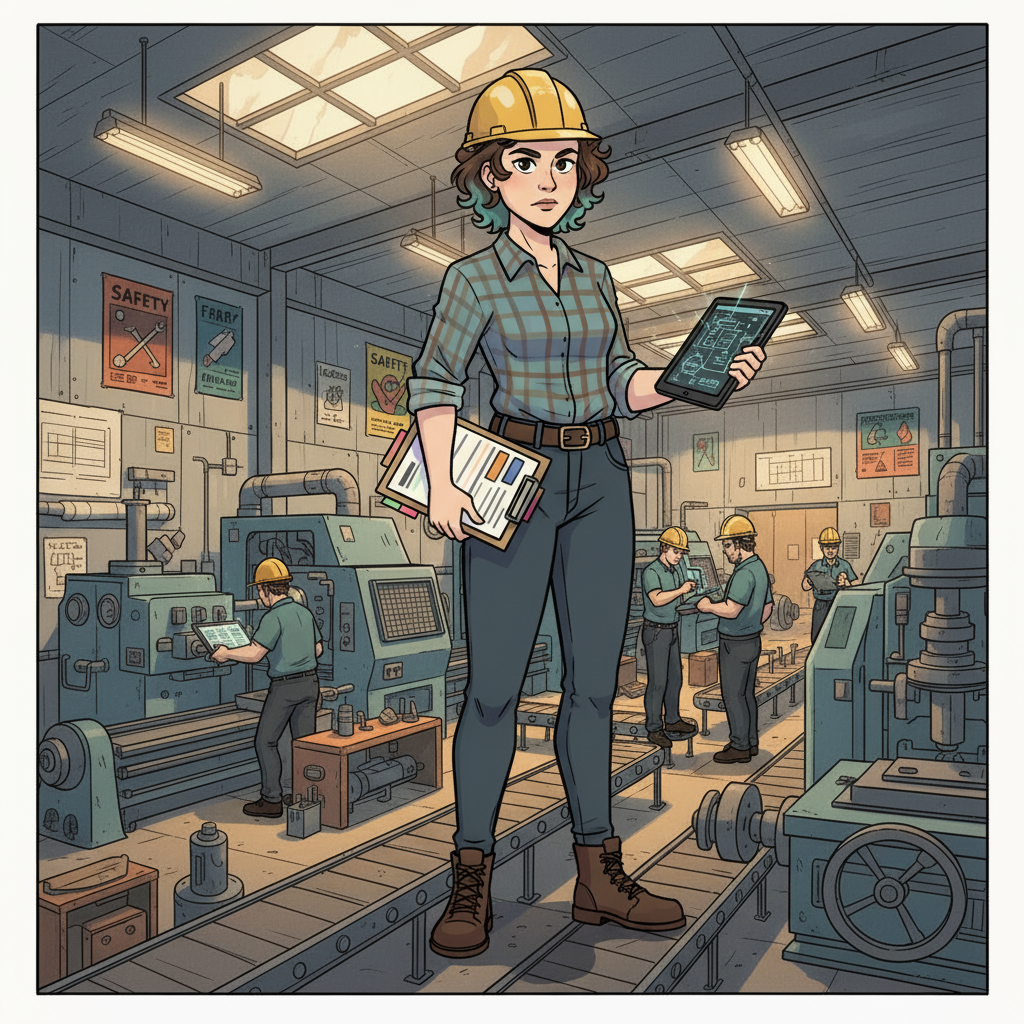
To capture essential insights, our guided interviews should focus on critical yet often undocumented knowledge areas:
Questions that unveil key details:
Gaining insight into specialized operations is vital:
Establish reliable vendor connections:
To maintain quality, understanding informal practices is crucial:
These targeted questions can help bridge knowledge gaps and prevent disruption in operations.
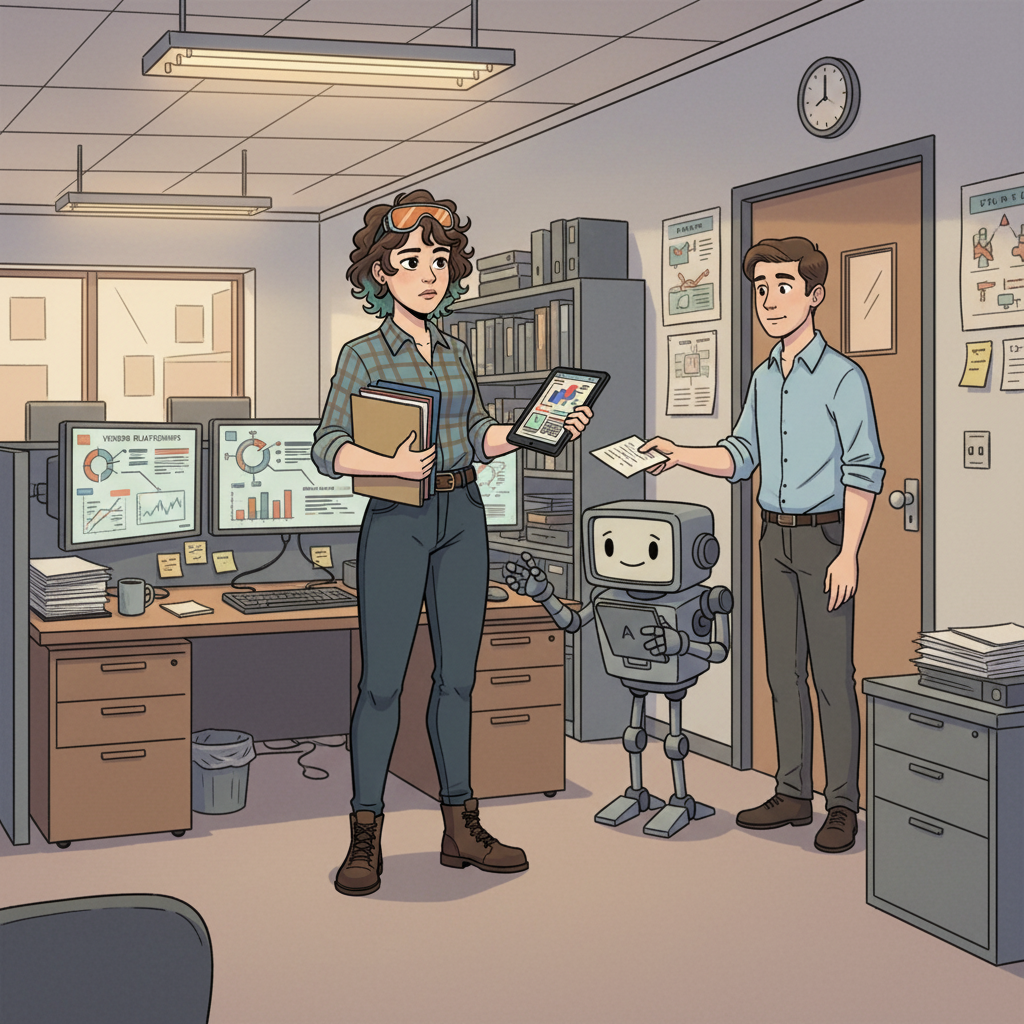
Upon completing the knowledge transfer, deliverables include:
A comprehensive manual detailing day-to-day operations including:
Step-by-step descriptions of critical processes and workflows in production.
Documentation on inventory management systems to streamline material handling.
Understanding the reasoning behind choices made:
Record the logic behind supplier selections to protect against future disruptions.
Capture approvals needed for compliance checks to ensure adherence to legal standards.
Identify areas of potential vulnerability:
Assess risks related to equipment downtime and vendor dependencies.
Highlight suggestions on mitigating knowledge loss in the future.
Streamline the transition:
Provide a detailed checklist ensuring critical contacts and systems are covered.
Outline meetings and follow-ups required with the next individual stepping into the roles.
These structured reports empower your team to effectively manage transitions and maintain operational integrity.
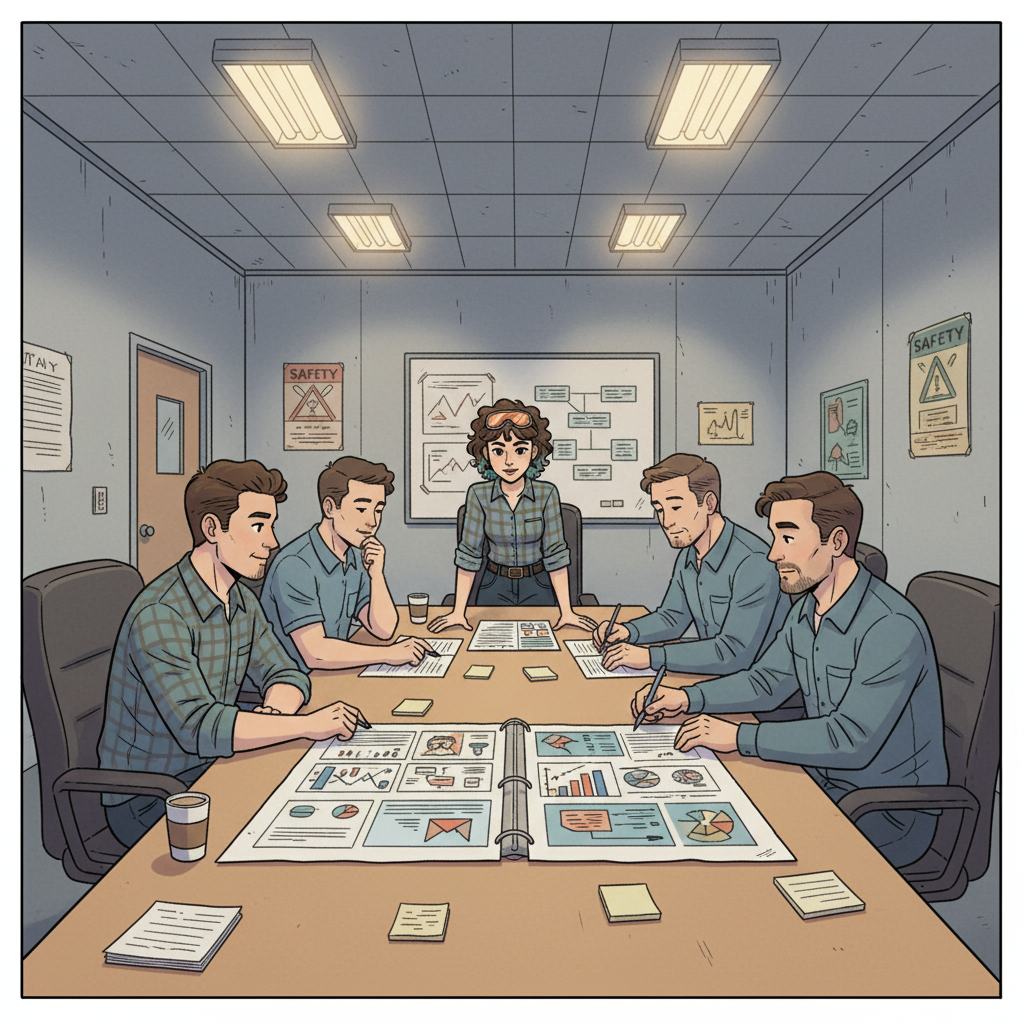
Key steps to ensure knowledge retention during employee transition.
Ensure that operation manuals for CNC machines are updated and include troubleshooting tips.
Outline reorder points, supplier contacts, and stock monitoring systems to avoid interruptions in supply.
Define thorough quality checks and reduce ambiguity around product standards and compliance.
Conduct a review session on primary safety procedures, ensuring all employees understand their role in compliance.
List out all primary vendor contacts and escalation procedures to ensure smooth continuity.
Plan for additional training to cover gaps in knowledge as identified during the handover.
A short series about what actually left when one person did.
A real Knowledge Transfer Report, start to finish.
One $1,000 credit per offboarding. No subscription. Your first offboarding runs free for 7 days — you buy the credit when you unlock its Knowledge Transfer Report.
The role that knows why the line runs the way it does.
The manager learns the key employee is leaving and initiates the knowledge transfer process.
The session is scheduled around line time so the departing operator or engineer can speak to their machines between runs.
The interview records changeover tricks, tolerance judgement, supplier substitutions, and the fixes that keep a temperamental line running.
A structured knowledge transfer report is produced, covering all critical domains, handover checklists, and risk areas.
Production and maintenance leads read through the report on the floor, close gaps on changeovers and scrap causes, and take handover before the final shift.
When a manufacturing employee departs, critical knowledge about processes, equipment maintenance, and vendor relationships often goes unrecorded, leading to operational struggles.
Industry does not decide fit — the role’s knowledge does. A non-regulated role inside a bank, hospital, or other regulated organization can be a strong fit. It’s designed for operational knowledge — process ownership, vendor history, and day-to-day judgment; regulated records and controlled data stay out of scope.
Fit is decided by the role’s knowledge, not the plant around it — line behaviour, supplier history, and troubleshooting judgment are in scope, while controlled process records and audit data stay out of it.
Using structured AI interviews can effectively uncover undocumented workflows and vital details about equipment handling and quality checks during the transition.
It’s multi-session by design, not a single sitting. An offboarding can cover up to ten structured topics with a total interview budget of around 300 minutes — in voice or text, paused and resumed around the person’s actual work. Time is budgeted, not promised: if topics don’t complete, the report says so rather than filling the gap.
Manufacturing processes hold decades of optimization knowledge and vendor relationships that exist only in experienced employees’ minds.
Maintenance managers carry an unwritten service history. A guided interview captures the equipment quirks and vendor reality before they go.
Explore a detailed guide on handling knowledge transfer when your founder hands off operations, including crucial documentation strategies.
Ensure vital knowledge transfer with a structured checklist and interview questions for Automation Engineers before they leave.
Ensure a seamless transition with our checklist for Manufacturing Process Engineer knowledge transfer, capturing critical operational processes.
When a plant manager leaves, the reasoning stops: shift reality, line history, supplier context. A guided interview captures it before their last day.
Utilize our Warehouse Manager knowledge transfer checklist to capture operational insights before a departure, ensuring continuity and efficiency.