 My Employee is Leaving
Read the story
A short series about what actually left when one person did.
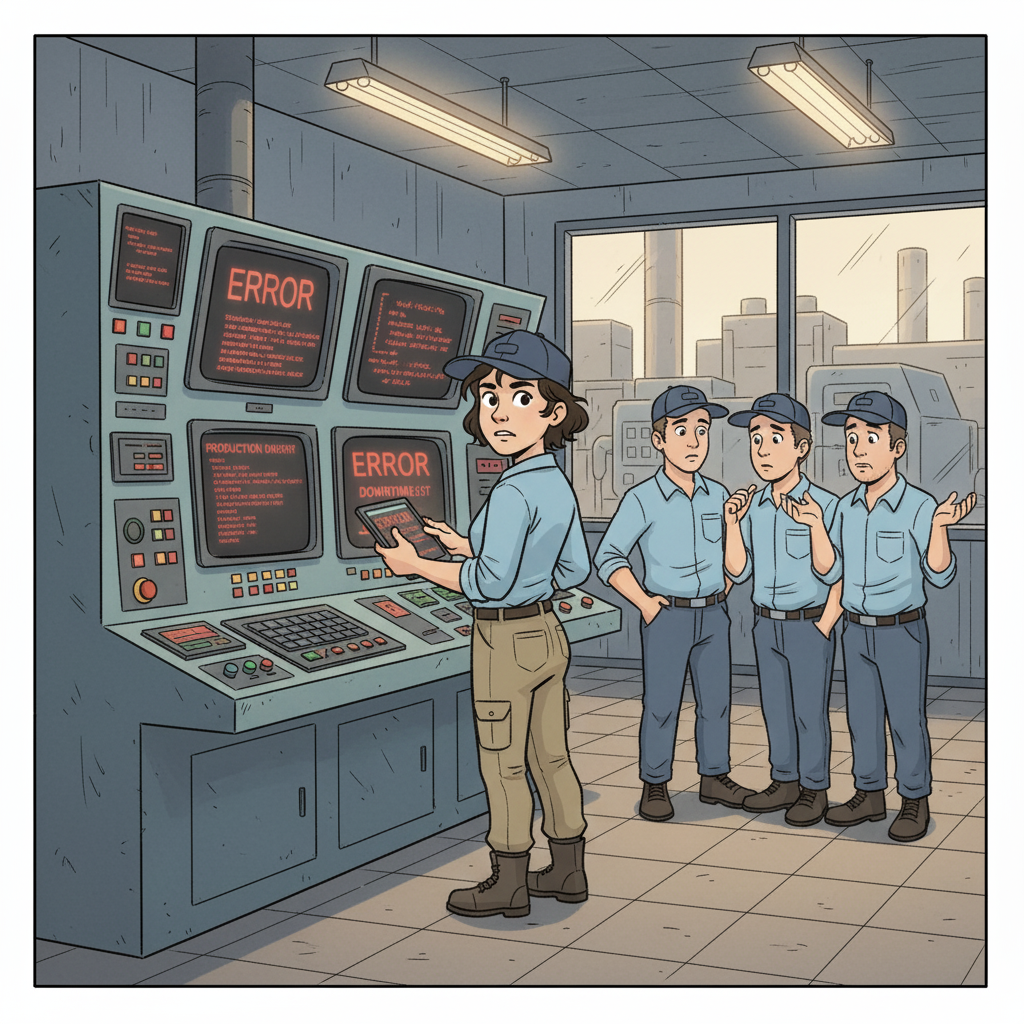
Production line goes silent as PLC failures are mismanaged.
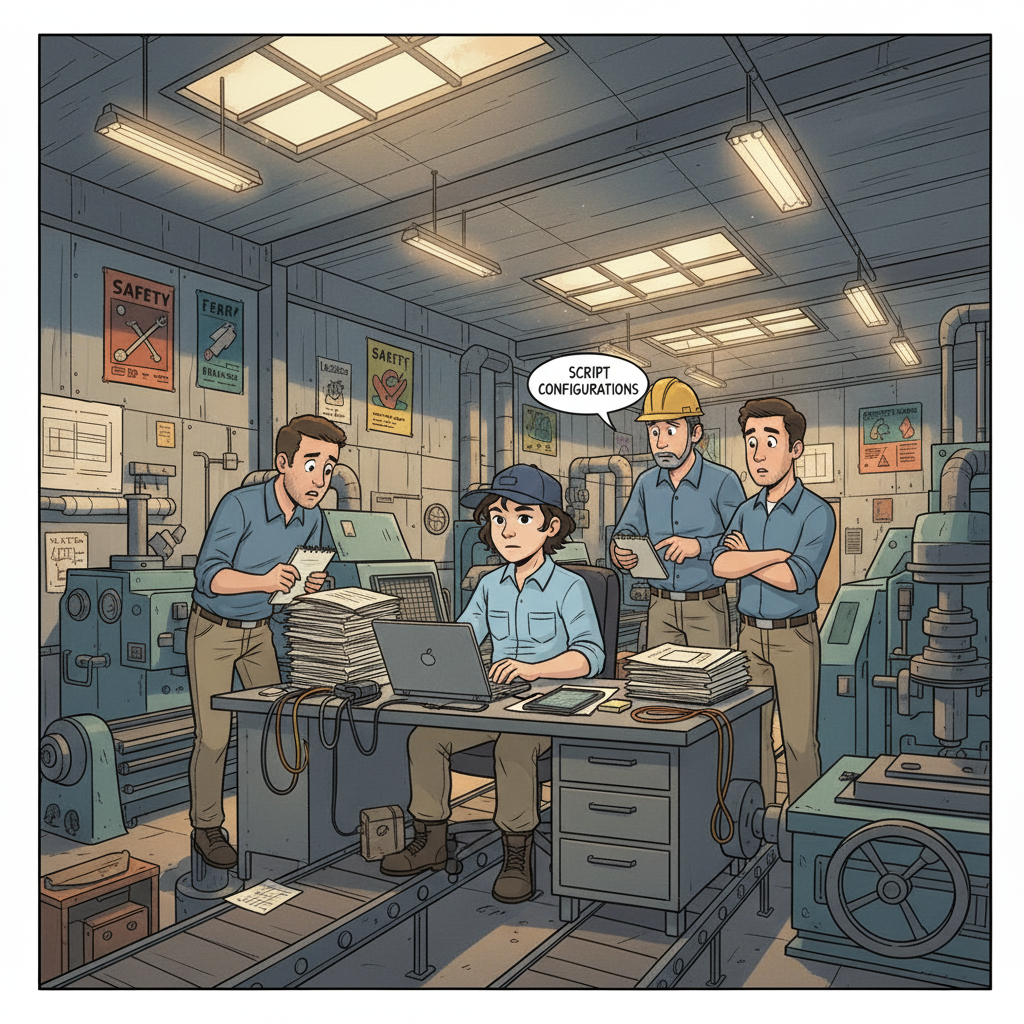
Critical real-time data is lost, halting operations.

Test automation failures lead to undetected software issues.

The PLC configurations and their reasoning are in the Knowledge Transfer Report; open items flagged.
In brief: what happens when an Automation Engineer leaves?
The departure disrupts critical automation processes, leading to operational breakdowns.
What should be written down first about the automation stack?
Prioritize knowledge on PLC programming, HMI configurations, and integration logic.
Which controls knowledge stays in an automation engineer’s head?
Often undocumented are manual logging practices and calibration procedures.
What should the first two weeks cover once an automation engineer gives notice?
Initiate routine monitoring of automation system performance metrics right away.
When the Automation Engineer departs, the impact is felt across various systems and processes that hinge on their specialized knowledge. The following scenarios outline potential breakdowns and risks across operations and teams.
The loss of real-time data affects:
As automation test scripts fail:
The implications of robotic arms malfunctioning due to lost configurations include:
Communicating the knowledge gaps left by an Automation Engineer will reveal opportunities for urgent knowledge transfer before departure.
The Knowledge Transfer Report records which changes were deliberate and why, and lists the ones still unexplained.
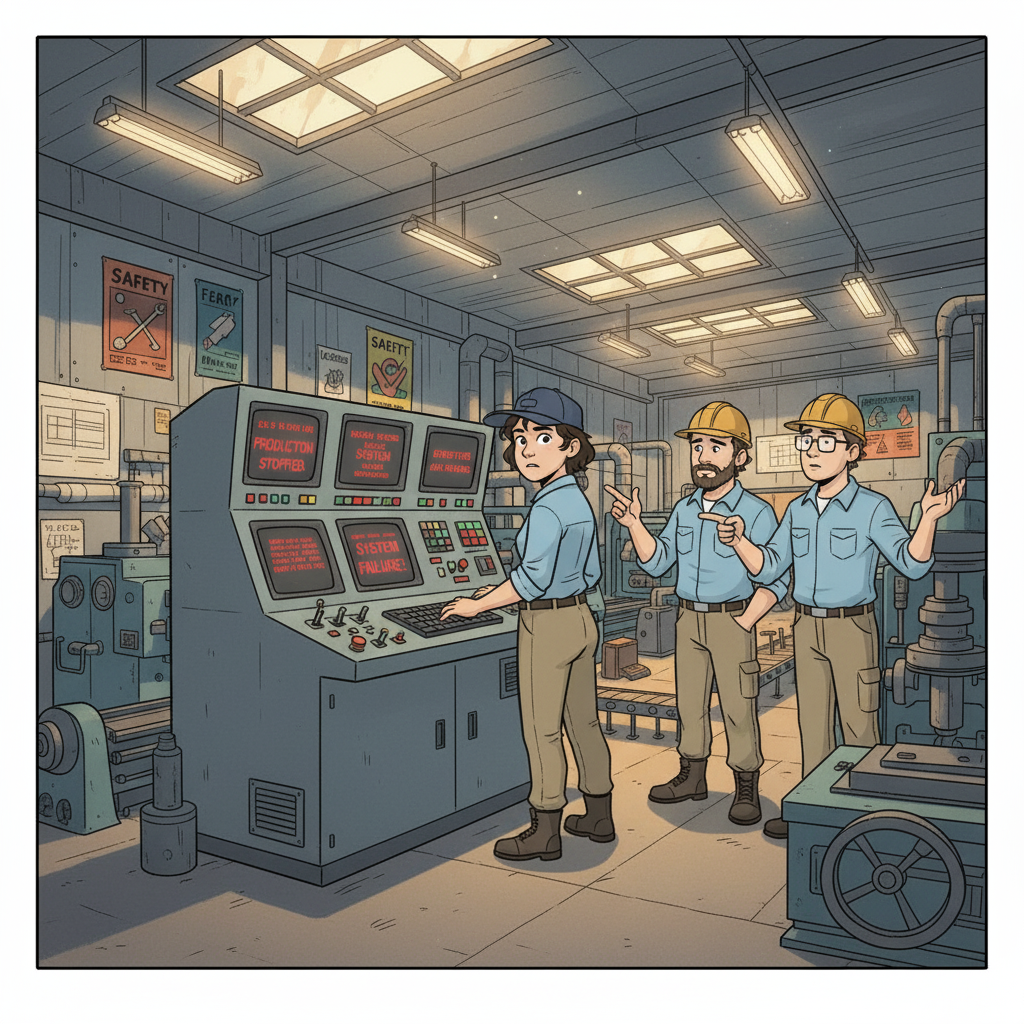
Automation Engineers hold unique insights critical for maintaining smooth operations within manufacturing settings. Understanding their knowledge domains helps you prioritize knowledge transfer efforts.
Regular recurring tasks in these areas are crucial for operations, emphasizing the need for a comprehensive knowledge handover before an Automation Engineer leaves.

Targeted questions can reveal critical undocumented knowledge and ensure a smooth transition for your team during an automation engineer’s departure.
These inquiries provide a structured approach to capturing vital insights to mitigate the impact of lose knowledge during transitions.

The knowledge transfer report serves as a cornerstone to bridge the gap when an Automation Engineer departs. This document encapsulates essential processes and metrics that facilitate operational continuity.
These documents encapsulate invaluable practice and metrics essential for maintaining operational resilience amidst transitions.
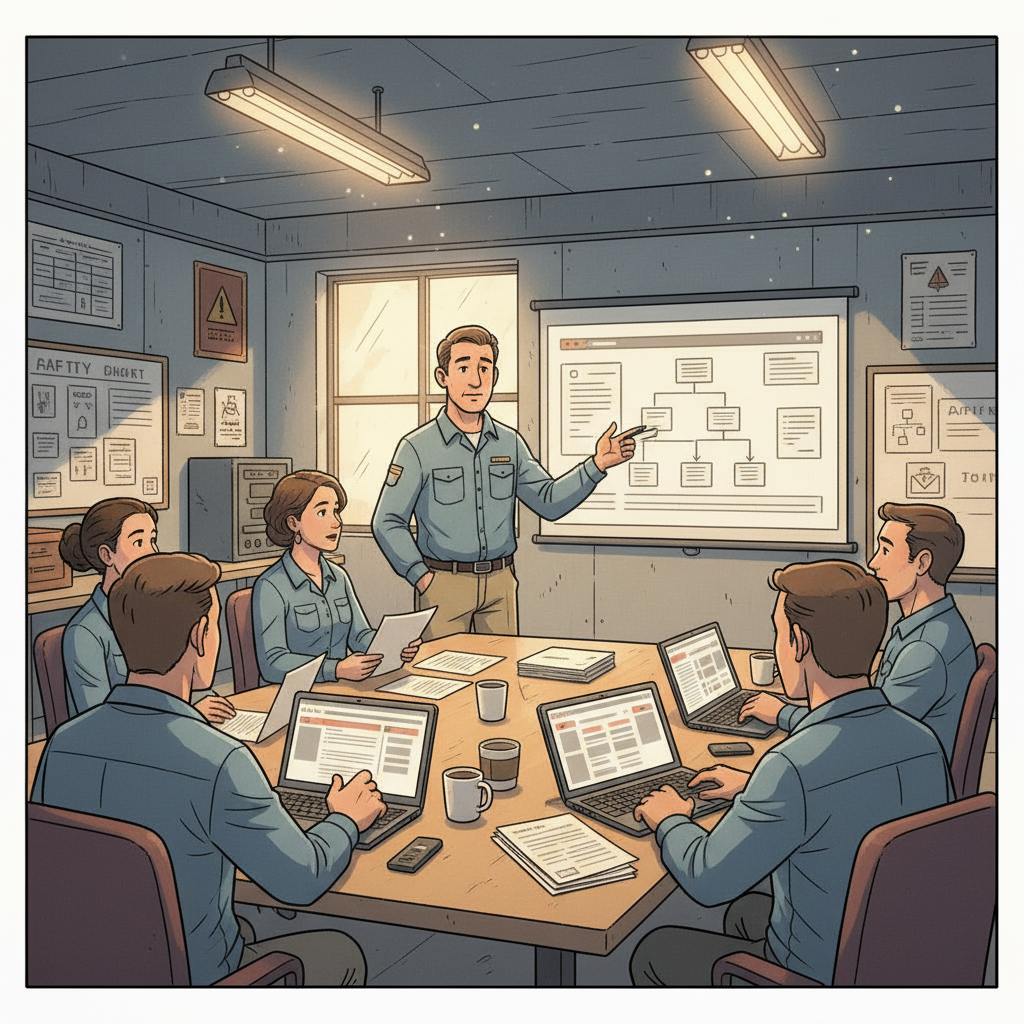
The impact of knowledge loss can lead to significant operational setbacks. The following losses typically occur:
Mitigating these risks through comprehensive knowledge transfer preparations is essential for smooth operational continuity.

Use this checklist to ensure critical knowledge areas are captured before your Automation Engineer departs.
List critical changes made to PLC programs, highlighting reasons for modifications and operational context.
Record important features and settings on HMI screens to allow operators to navigate efficiently post-departure.
Detail modifications made to safety interlock configurations, including rationales for adjustments to ensure compliance.
Specify which integration points need manual intervention to ensure operational stability during transitions.
Provide clarity on calibration steps that have been tailored beyond the manufacturer’s recommendations.
Develop a checklist of critical tasks and ongoing responsibilities for the incoming engineer.
A short series about what actually left when one person did.
A real Knowledge Transfer Report, start to finish.
One $1,000 credit per offboarding. No subscription. Your first offboarding runs free for 7 days — you buy the credit when you unlock its Knowledge Transfer Report.
What manufacturing teams should capture before a departure.
The manager learns the Automation Engineer is leaving and initiates the knowledge transfer process.
An AI-guided interview session is scheduled with the departing Automation Engineer to systematically capture institutional knowledge.
The AI interview extracts undocumented workflows, vendor relationships, decision rationale, and operational edge cases.
A structured knowledge transfer report is produced, covering all critical domains, handover checklists, and risk areas.
The team reviews the report, identifies remaining gaps, and completes the handover before the departure date.
The sudden departure can disrupt automation processes and lead to significant operational failures without critical support.
Fit comes from the role’s operational knowledge, not its title. It’s designed for operational knowledge — line behaviour, exception handling, and why each workaround exists; credentials, keys, and control-system passwords stay out of scope.
By conducting targeted interviews that expose undocumented scripts, settings, and operational nuances before the engineer exits.
It’s multi-session by design, not a single sitting. An offboarding can cover up to ten structured topics with a total interview budget of around 300 minutes — in voice or text, paused and resumed around the person’s actual work. Time is budgeted, not promised: if topics don’t complete, the report says so rather than filling the gap.
Access a structured checklist and actionable insights for effective knowledge transfer in logistics when a key member departs.
Ensure a smooth transition in manufacturing with our structured knowledge transfer sessions, minimizing operational disruptions and knowledge loss.