 My Employee is Leaving
Read the story
A short series about what actually left when one person did.
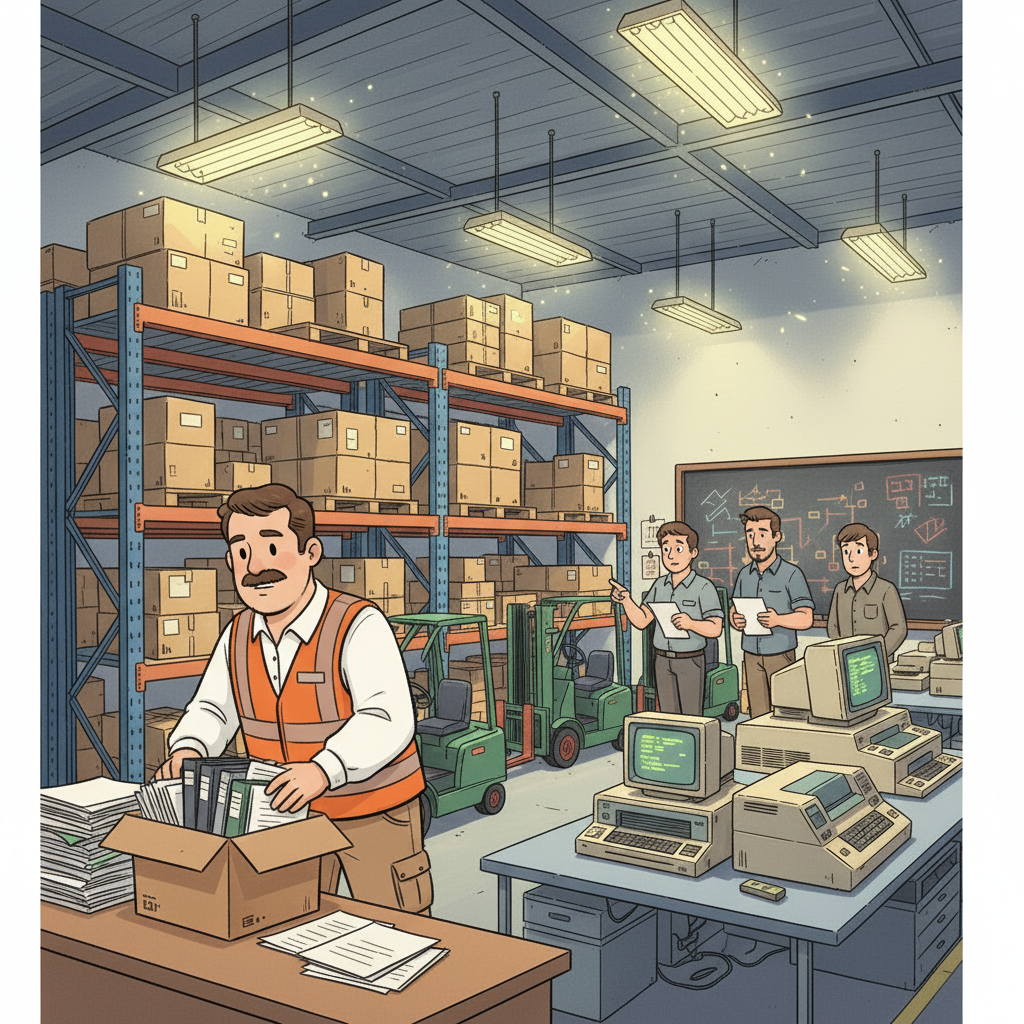
When inventory inaccuracies arise, stockouts become inevitable, disrupting operations.
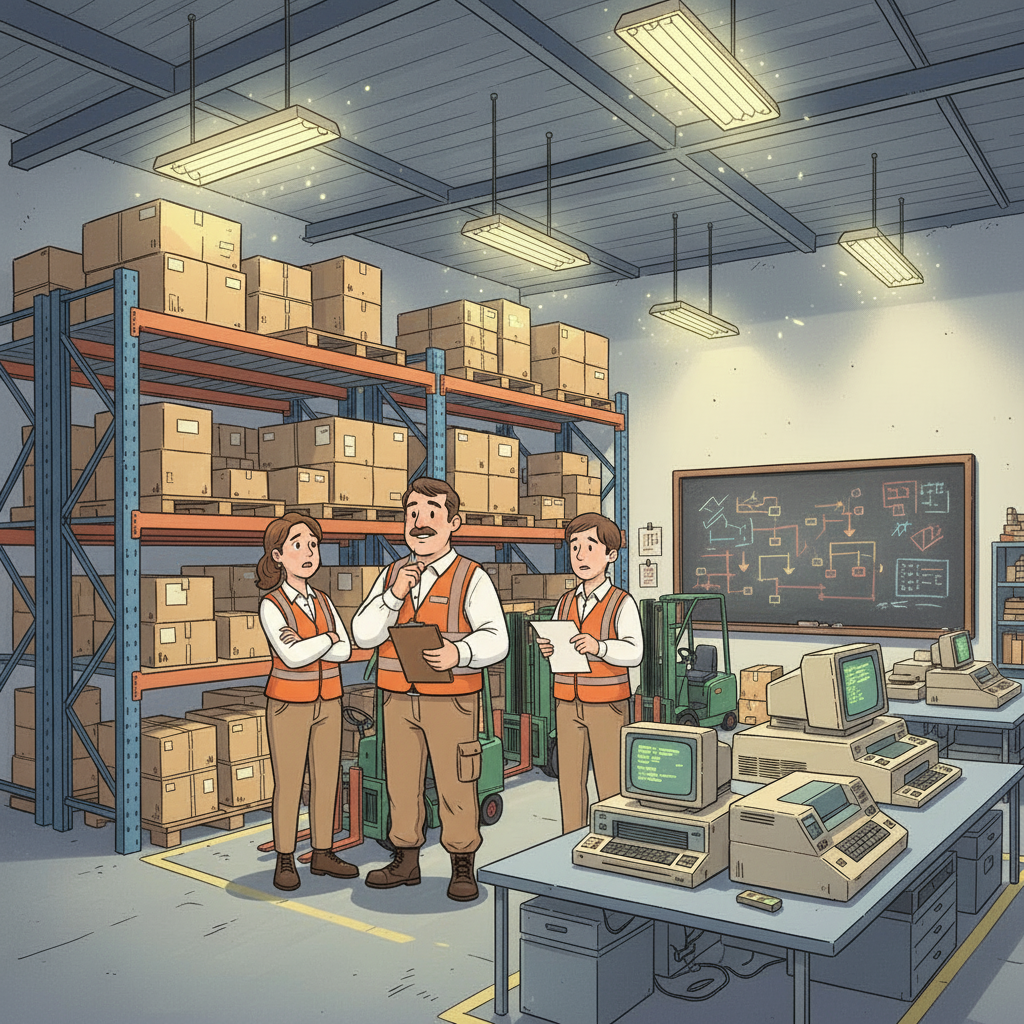
Delayed shipments frustrate both the team and customers, impacting satisfaction.
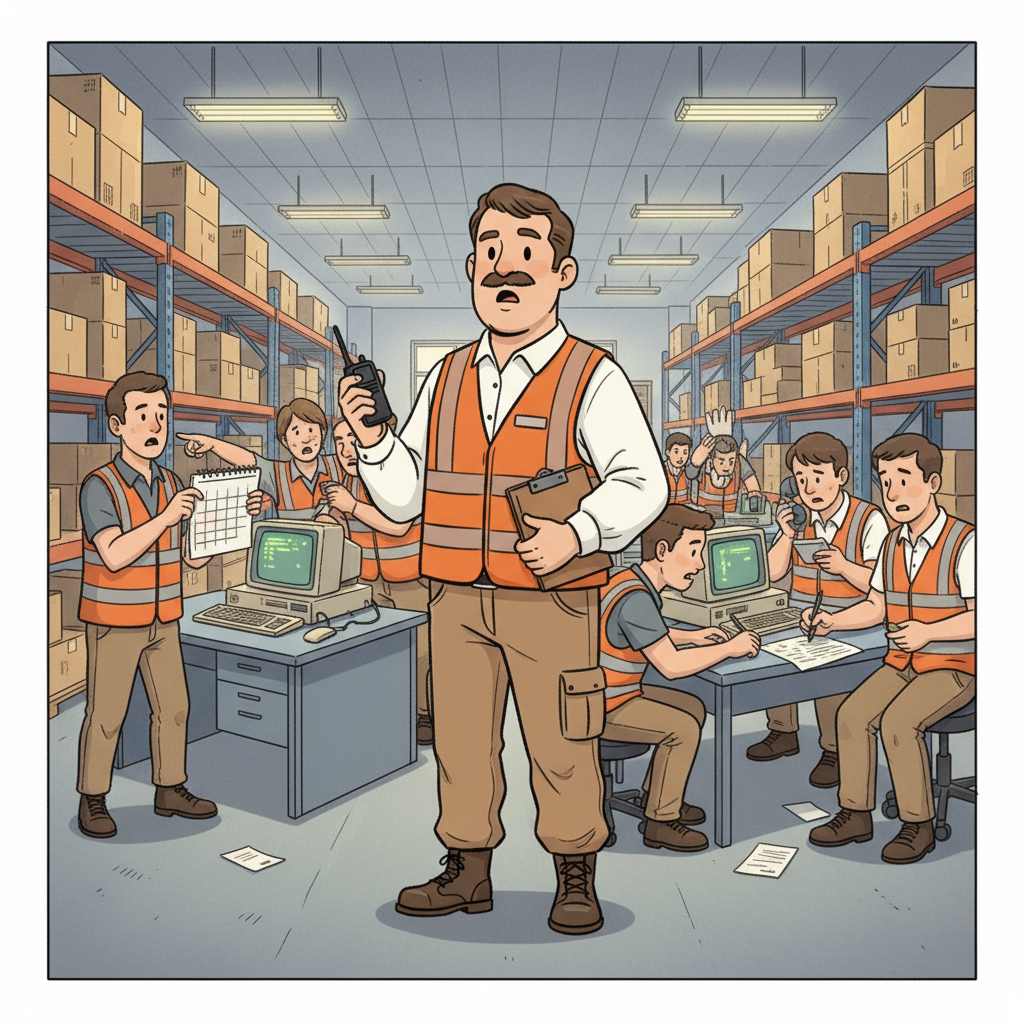
Lack of documented safety protocols can lead to hazardous situations and injuries.
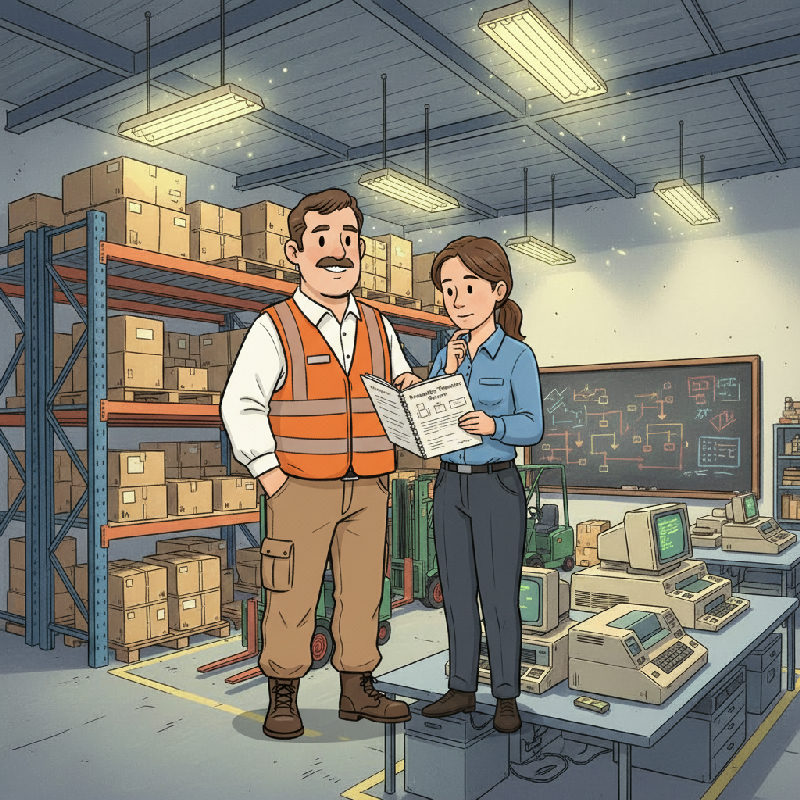
Stock tracking and the safety routines, in the Knowledge Transfer Report — the open counts named.
In brief: what happens when a Warehouse Manager leaves?
Critical operational knowledge is lost, leading to inefficiencies and errors.
What should a warehouse hand over first?
Space optimization strategies and safety protocols are key.
Which floor knowledge tends to go with the warehouse manager?
Undocumented workarounds and manual processes often get overlooked.
What should the first two weeks look like on the dock and in the aisles?
Conduct an inventory audit and confirm critical vendor relationships.
When a Warehouse Manager transitions, the ripple effects are felt across multiple operations, leading often to serious disruption.
Inventory management systems can become chaotic without guidance, resulting in stockouts and frustrated customers. Teams reliant on specific systems like your ERP may struggle to adapt without the insights of their experienced manager.
Without a knowledgeable point person, shipping and logistics coordination falters, leading to delays and loss of customer trust. An Order Management System (OMS) becomes underutilized, and timely deliveries slip through the cracks.
The absence of documented safety protocols puts employees at risk. New staff may not be properly trained, leading to incidents. Procedures that were second nature become unaddressed and forgotten.
Key relationships with third-party logistics (3PL) and equipment suppliers may weaken. Without the Warehouse Manager’s knowledge of these contracts, misunderstandings around deliveries arise, jeopardizing service levels.
Thus, effective knowledge transfer is crucial to ensure continuity during such transitions.
The Knowledge Transfer Report puts the stock tracking, the carrier notes and the safety routines in writing, with the open counts named.
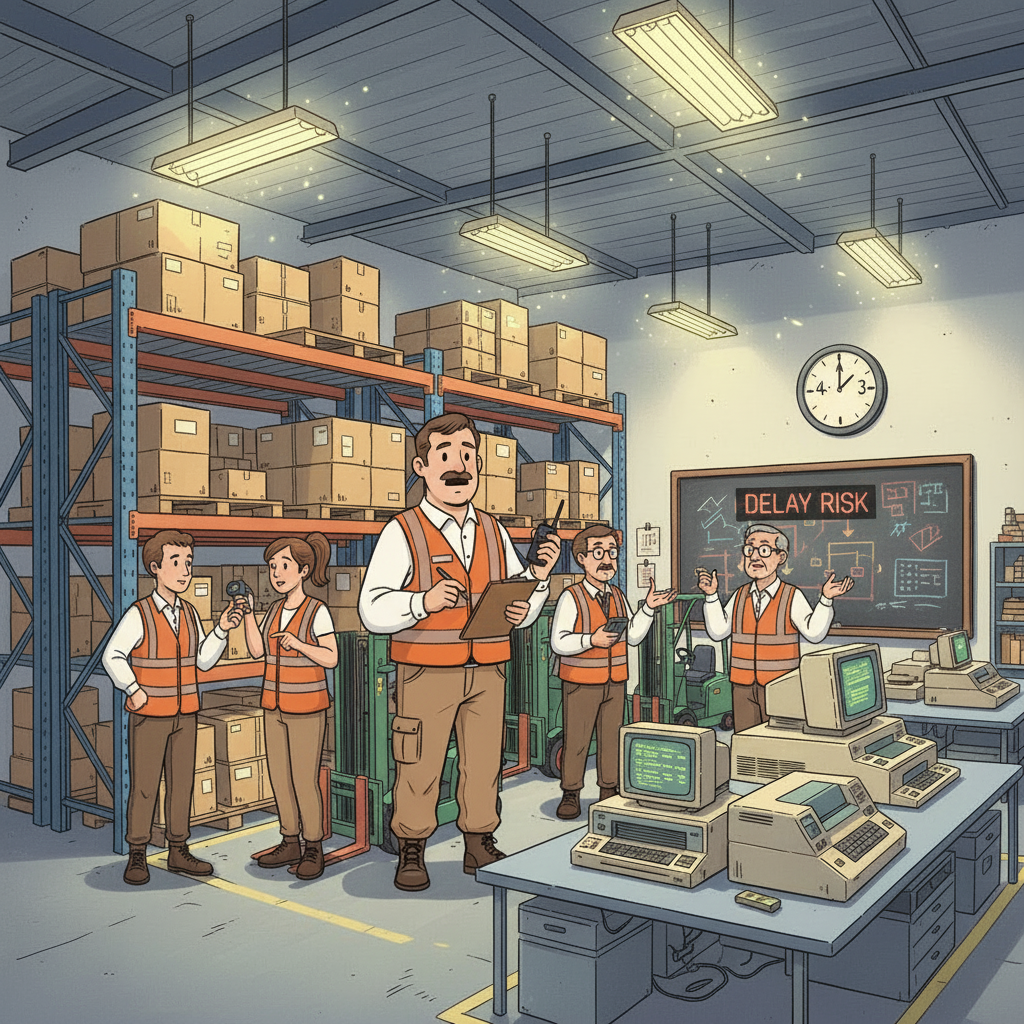
The Warehouse Manager holds a wealth of knowledge critical for operational efficiency. Understanding these domains is crucial for seamless transitions.
Optimizing warehouse space is essential for productivity. The knowledge gained in:
Regular maintenance ensures that equipment runs smoothly:
This accumulated wisdom allows organizations to operate efficiently and prevent unnecessary disruptions.

An AI interview can uncover vital information that may not be readily visible.
These questions drive deeper understanding and pave the way for smoother transitions by minimizing lost knowledge.
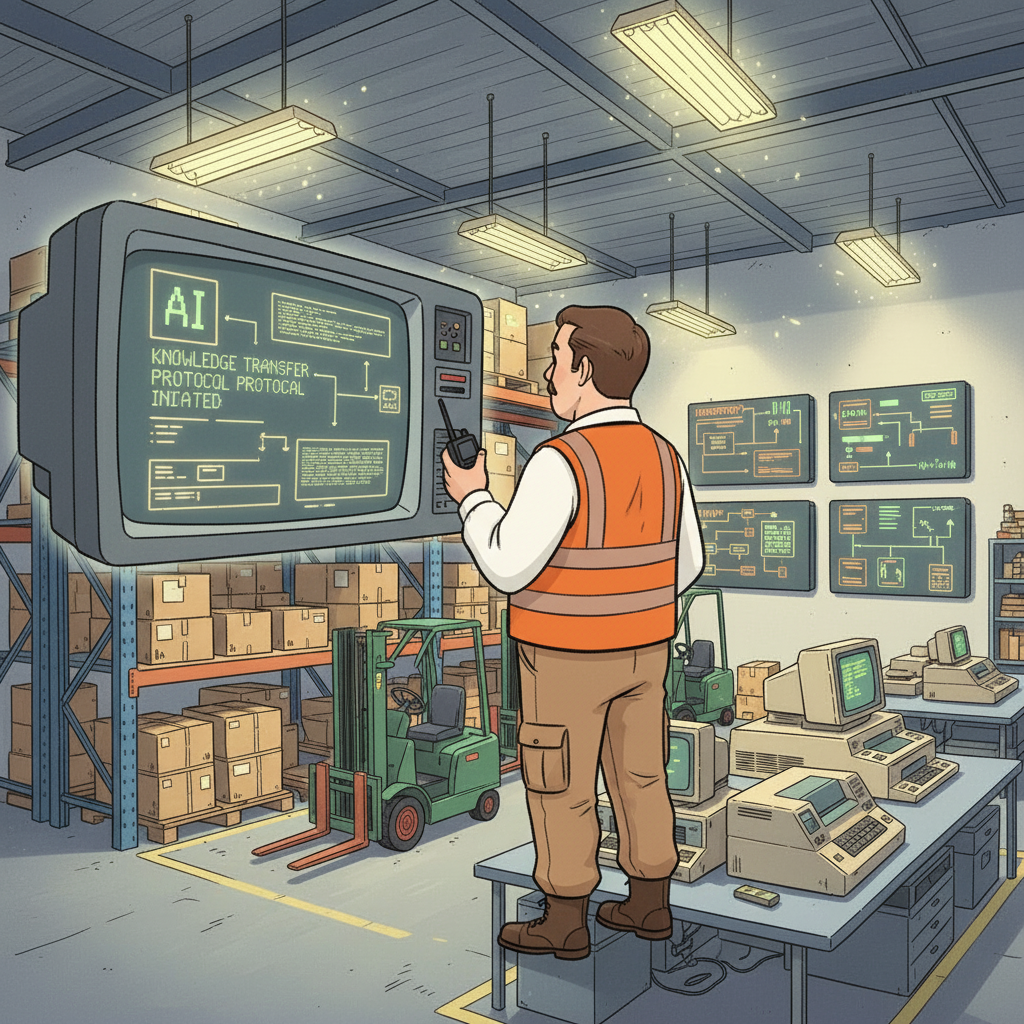
A structured knowledge transfer report encapsulates critical insights for Warehouse Manager that secure operations.
This document captures detailed workflows that cover:
Comprehensive inventory thresholds based on historical data to prevent stockouts.
Safety protocols established from previous incidents that maintain compliance.
The report outlines:
Rationale behind selecting vendors and shipping partners for cost and reliability.
The decisions made regarding manual vs. automated processes can provide clarity during transitions.
It encapsulates risk assessments around gaps in knowledge and provides:
A handover checklist that notes crucial touchpoints such as initiating supplier agreements and approval paths for future operations.
These reports serve as essential tools for incoming managers to minimize disruptions.
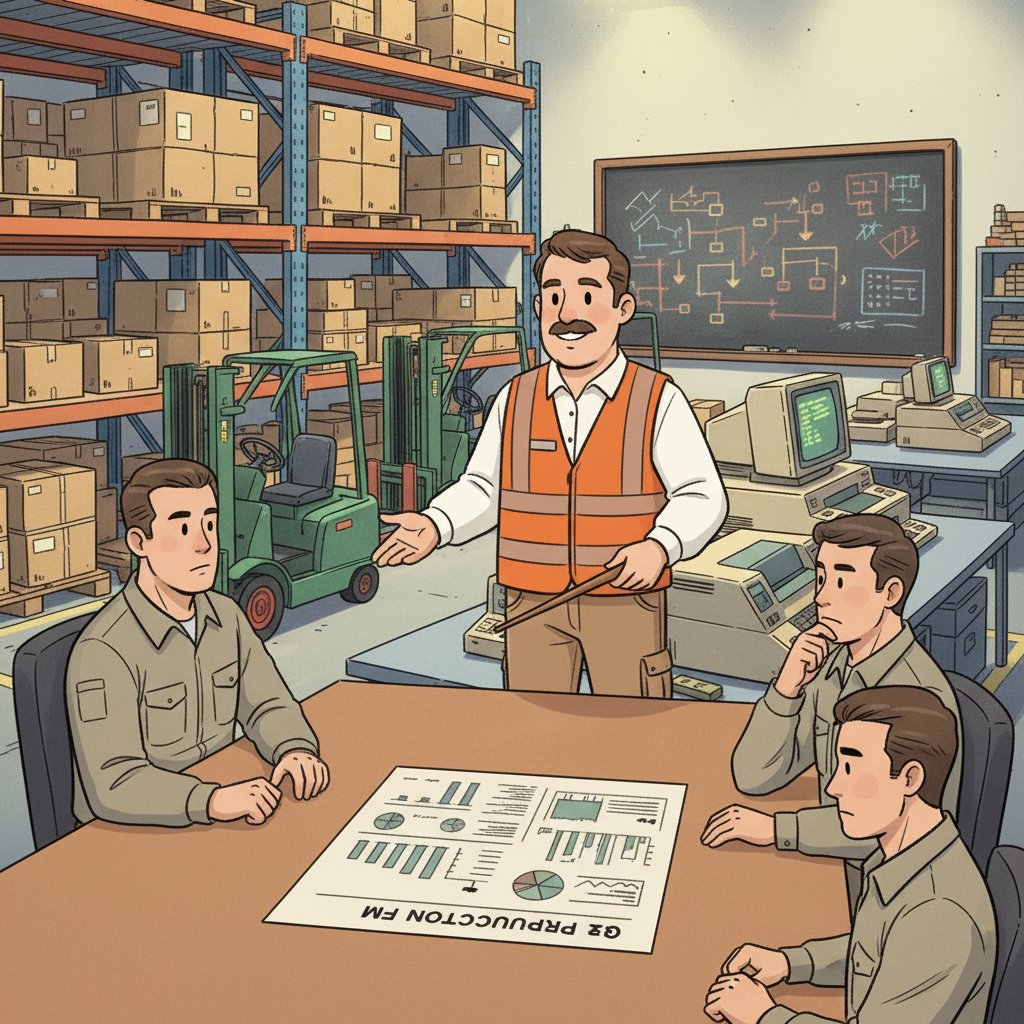
This checklist ensures a comprehensive transfer of vital knowledge during the departure of a Warehouse Manager.
Ensure the processes used in inventory tracking systems like WMS are clearly described.
Map out current layout strategies and seasonal patterns for storage.
List equipment that requires routine checks and note any recent issues.
Document vital contacts for timely logistics and establish preferred processes.
Compile a detailed list of identified safety hazards and the associated procedures.
Initiate a final walk-through of stock levels and establish emergency protocols.
A short series about what actually left when one person did.
A real Knowledge Transfer Report, start to finish.
One $1,000 credit per offboarding. No subscription. Your first offboarding runs free for 7 days — you buy the credit when you unlock its Knowledge Transfer Report.
The wider network the floor plugs into.
The manager learns the Warehouse Manager is leaving and initiates the knowledge transfer process.
An AI-guided interview session is scheduled with the departing Warehouse Manager to systematically capture institutional knowledge.
The AI interview extracts undocumented workflows, vendor relationships, decision rationale, and operational edge cases.
A structured knowledge transfer report is produced, covering all critical domains, handover checklists, and risk areas.
The team reviews the report, identifies remaining gaps, and completes the handover before the departure date.
Inventory management can quickly become chaotic without the Warehouse Manager’s insights, leading to potential stockouts and shipping delays.
Fit is decided by what the role knows, not the records around it. It’s designed for operational knowledge — carrier reliability, put-away logic, and the informal safety habits that keep the floor working; controlled inventory and safety records stay out of scope.
Engaging in an AI-assisted interview helps to gather undocumented workflows, vendor relationships, and essential operational knowledge.
It’s multi-session by design, not a single sitting. An offboarding can cover up to ten structured topics with a total interview budget of around 300 minutes — in voice or text, paused and resumed around the person’s actual work. Time is budgeted, not promised: if topics don’t complete, the report says so rather than filling the gap.
Access a structured checklist and actionable insights for effective knowledge transfer in logistics when a key member departs.
Utilize our checklist and strategies to capture essential knowledge from Supply Chain Managers before they leave.
Learn how to effectively transfer knowledge when your Procurement Manager leaves with our structured checklist and interview questions.
Ensure a smooth transition in manufacturing with our structured knowledge transfer sessions, minimizing operational disruptions and knowledge loss.
When a plant manager leaves, the reasoning stops: shift reality, line history, supplier context. A guided interview captures it before their last day.
Secure critical knowledge from your departing Operations Manager using our comprehensive checklist and insights.