 My Employee is Leaving
Read the story
A short series about what actually left when one person did.
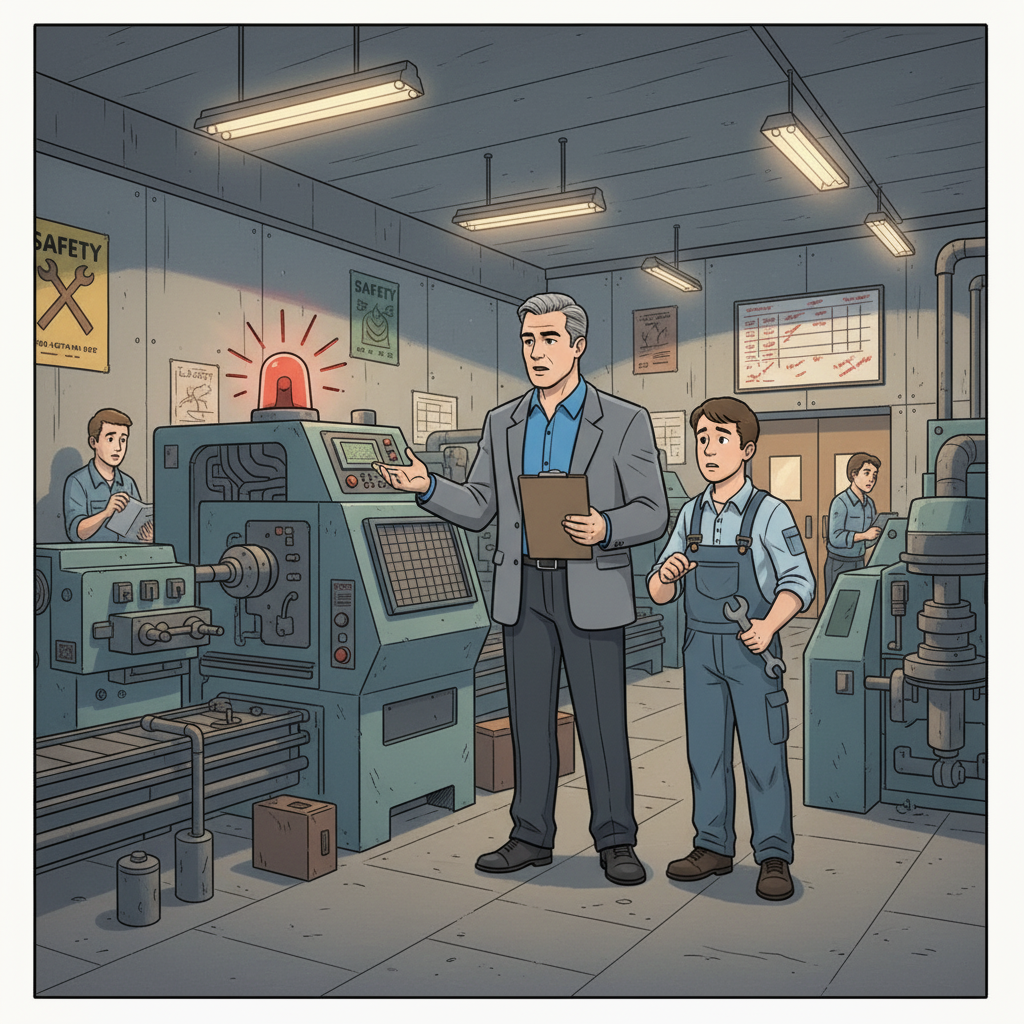
Production grinds to a halt without the plant manager’s vital equipment insights.

Supply chain chaos ensues as vendor relationships remain uncommunicated.
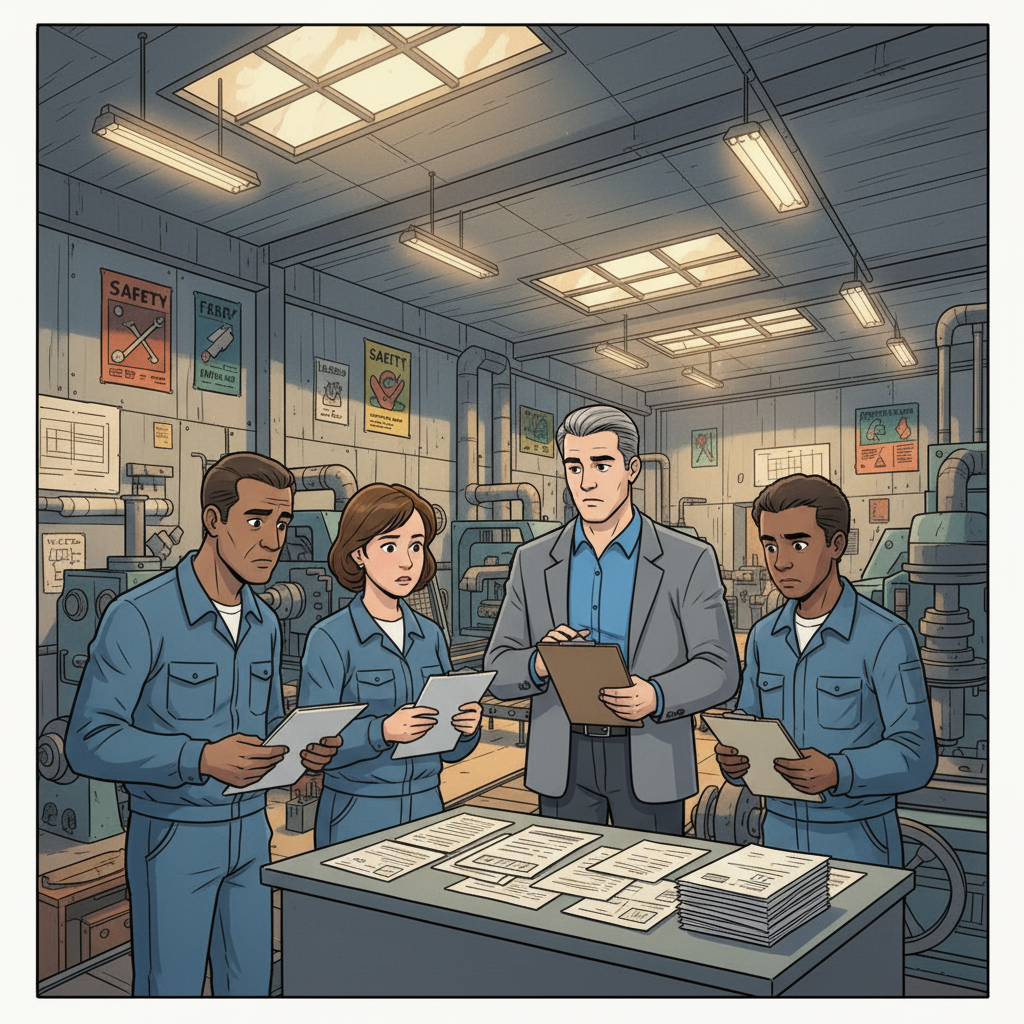
Safety incidents rise as new staff lack proper training on procedures.
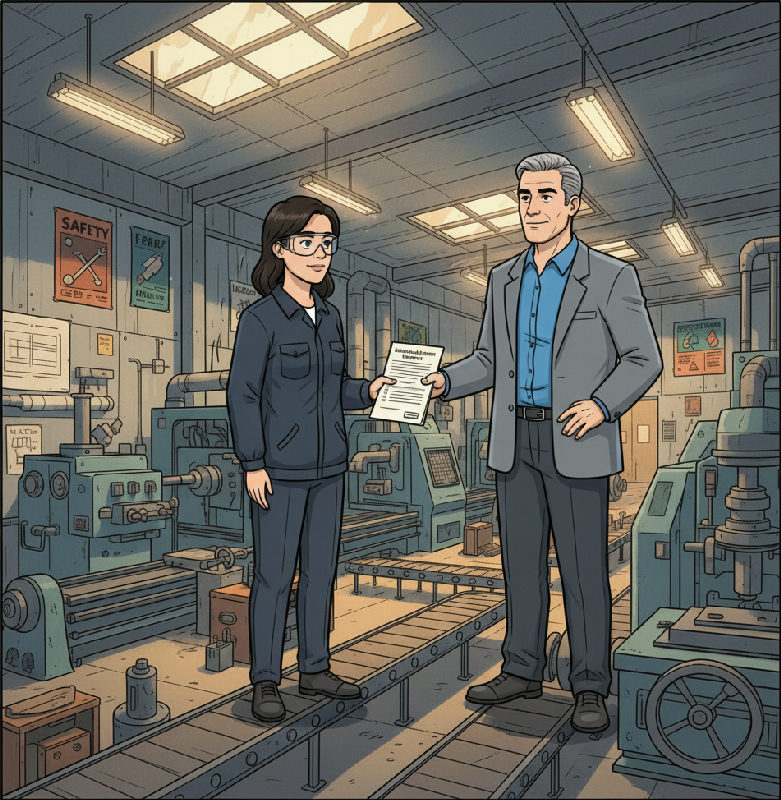
Equipment insights and the quality thresholds, in the Knowledge Transfer Report — open items flagged.
In brief: what happens when a Plant Manager leaves?
A plant manager’s real inventory isn’t equipment — it’s judgment. Which line runs hot, which supervisor needs backing, which fix is temporary and has been temporary for two years. When they leave, the plant keeps running and the reasoning stops. A guided interview captures it while they can still confirm it.
What should a departing plant manager document first?
What plant-floor knowledge is usually missed?
What should a manager do in the first two weeks after a plant manager leaves?
Notice just landed. About two weeks, and no time to think about it properly.
The plant will keep running. That is the misleading part. Output holds, the shifts turn up, the reports still generate. What stops is the reasoning: why that line is run slower on the night shift, why one supervisor gets the difficult jobs, why the spare for the old compressor is kept on site when the system says it is not needed.
Usually four to eight weeks in, when a decision needs the context nobody has. Capturing that context while the person is still on site reduces the risk. It does not remove it.
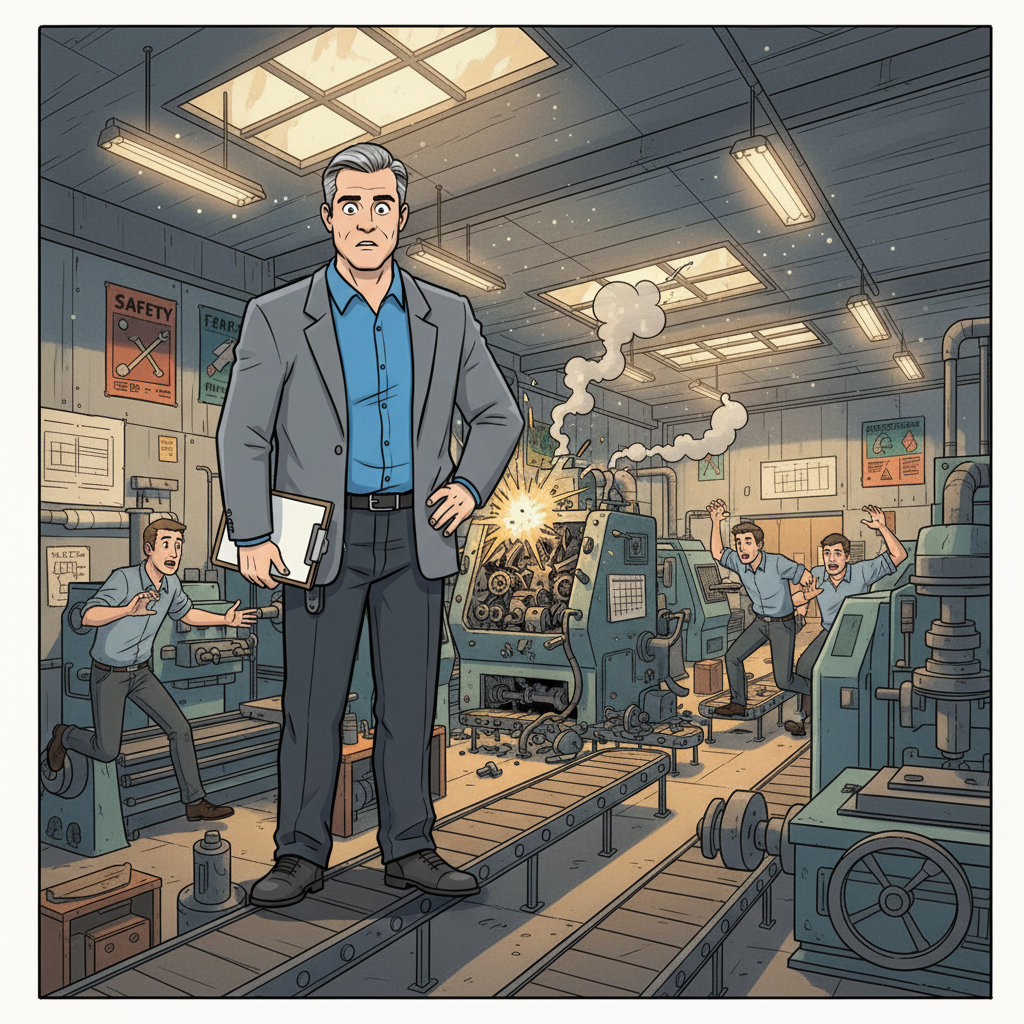
Their handover document will list systems and responsibilities. Fine, and not the valuable part.
This is the knowledge that makes a plant manager expensive to replace, and it is almost never written down.
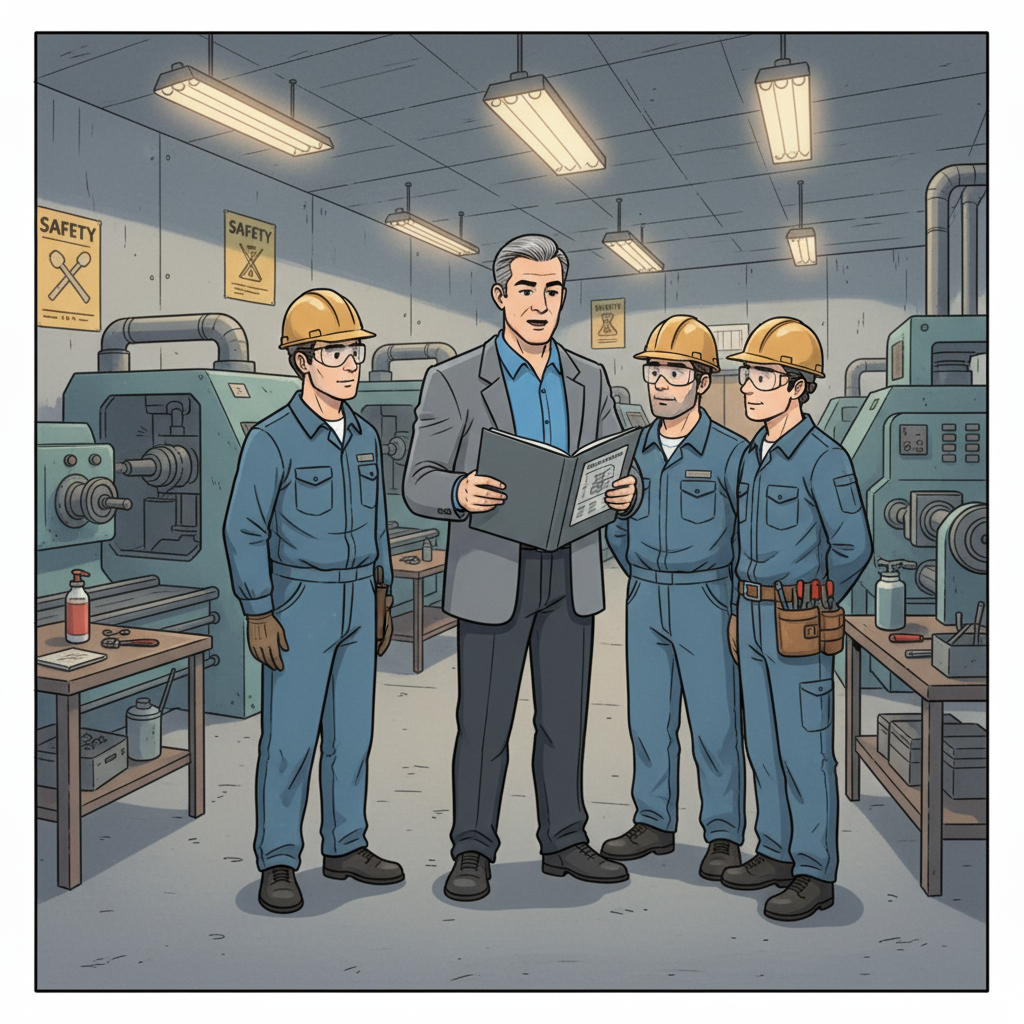
The guided interview is a conversation, voice or text, whichever they prefer. Most plant managers talk. It is faster than typing and it produces better detail.
Mention a patched machine and the interview asks what a proper repair would involve and who knows about it. Mention a supplier and it asks for the history. Every fact drawn out of the conversation is put back to them to confirm, edit, or reject, so the report carries their account and their uncertainty rather than a tidy summary of both.

Three parts, in plain language. The lines below show the shape — they are an illustration, not a real customer’s report.
“The number two line is run 8% slower on nights because the trained operators are on days; this is a staffing decision, not a machine limit.”
“He thought the compressor bypass was signed off by engineering but could not confirm when. Worth checking before the next shutdown.”
“Capital planning for next year was not discussed; the time budget went on people and equipment.”
A named gap can be assigned. That is worth more than a document that looks finished.
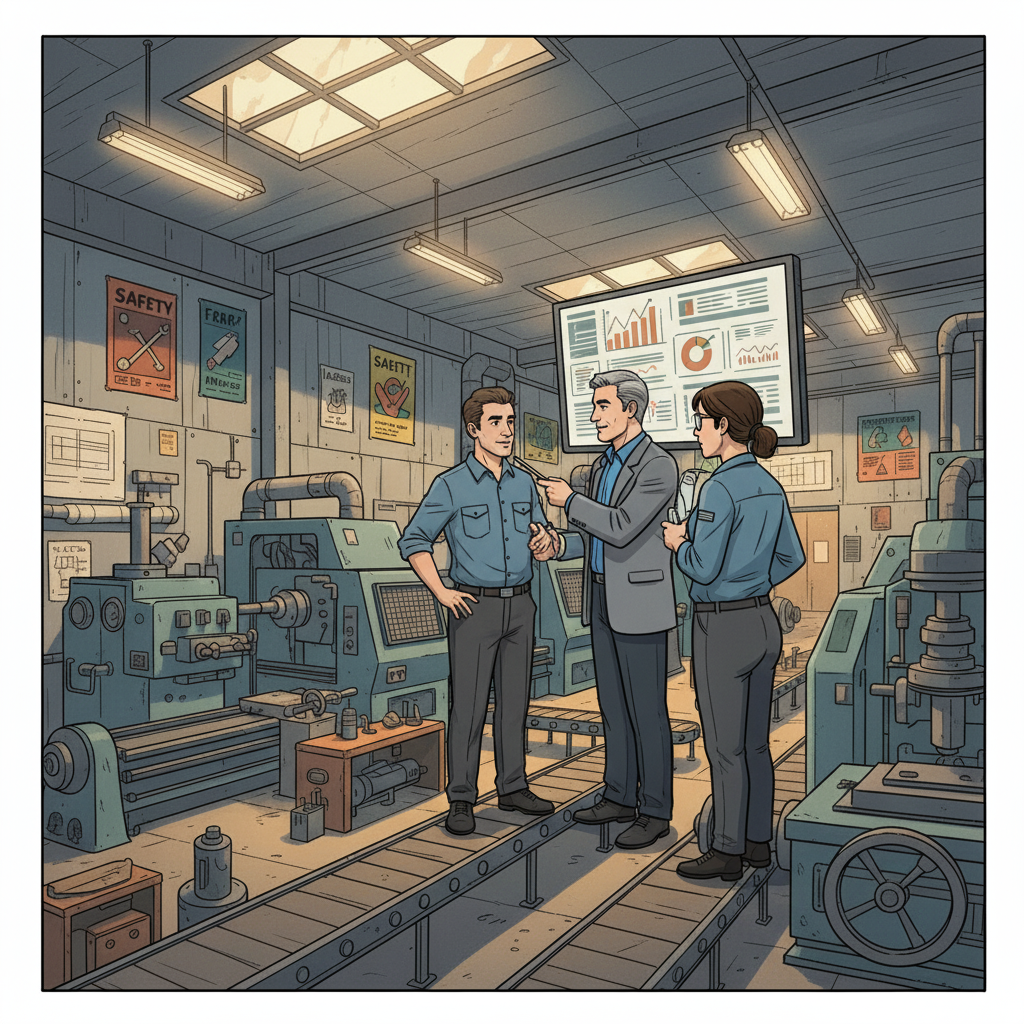
Five questions the guided interview puts to a departing plant manager, and why each one earns its place.
It surfaces the things too obvious to mention and too costly to rediscover.
Informal reliance is real reliance, and it disappears with the person who knew about it.
Temporary fixes fail at the worst time, and only one person knows they are temporary.
Supplier history explains sourcing decisions that otherwise look irrational.
This is the question that catches the problem already in motion.
A short series about what actually left when one person did.
A full Knowledge Transfer Report for an Operations Director, start to finish.
One $1,000 credit per offboarding. No subscription. Your first offboarding runs free for 7 days — you buy the credit when you unlock its Knowledge Transfer Report.
How this plays out across a manufacturing operation.
The manager learns the Plant Manager is leaving and initiates the knowledge transfer process.
An AI-guided interview session is scheduled with the departing Plant Manager to systematically capture institutional knowledge.
The AI interview extracts undocumented workflows, vendor relationships, decision rationale, and operational edge cases.
A structured Knowledge Transfer Report is produced from the confirmed facts, with open questions and a section on what was not covered.
The team reviews the report, identifies remaining gaps, and completes the handover before the departure date.
The reasoning behind how the plant is actually run: shift reliance, equipment history, supplier arrangements, cost trade-offs. A guided interview captures that in their words, with every fact confirmed by them before it reaches the report.
Fit is decided by what the role knows, not the audit regime around it. It’s designed for operational knowledge — shift reality, line history, and supplier context; controlled audit records and regulated data stay out of scope.
Multi-session by design: up to 10 structured topics, voice or text, pause and resume anytime, with a total time budget of up to roughly 300 minutes. Time is budgeted, not promised. Sessions can be done by voice while walking the floor, and picked up again after a shift, so it does not need a clear afternoon that nobody has.
A structured Knowledge Transfer Report: confirmed facts in plain language, open questions the interview raised, and a section on what was not covered. Written for a manager to read and act on. It reduces risk rather than claiming to be complete.
Explore effective knowledge transfer strategies to capture critical information when an employee gives two weeks notice, ensuring smooth transitions.
Discover strategies for knowledge transfer after a sudden resignation, ensuring critical operational continuity and relationship preservation.
Ensure a smooth transition in manufacturing with our structured knowledge transfer sessions, minimizing operational disruptions and knowledge loss.
Utilize our Warehouse Manager knowledge transfer checklist to capture operational insights before a departure, ensuring continuity and efficiency.