 My Employee is Leaving
Read the story
A short series about what actually left when one person did.

The sudden resignation leaves the manager grappling with next steps amidst looming deadlines.
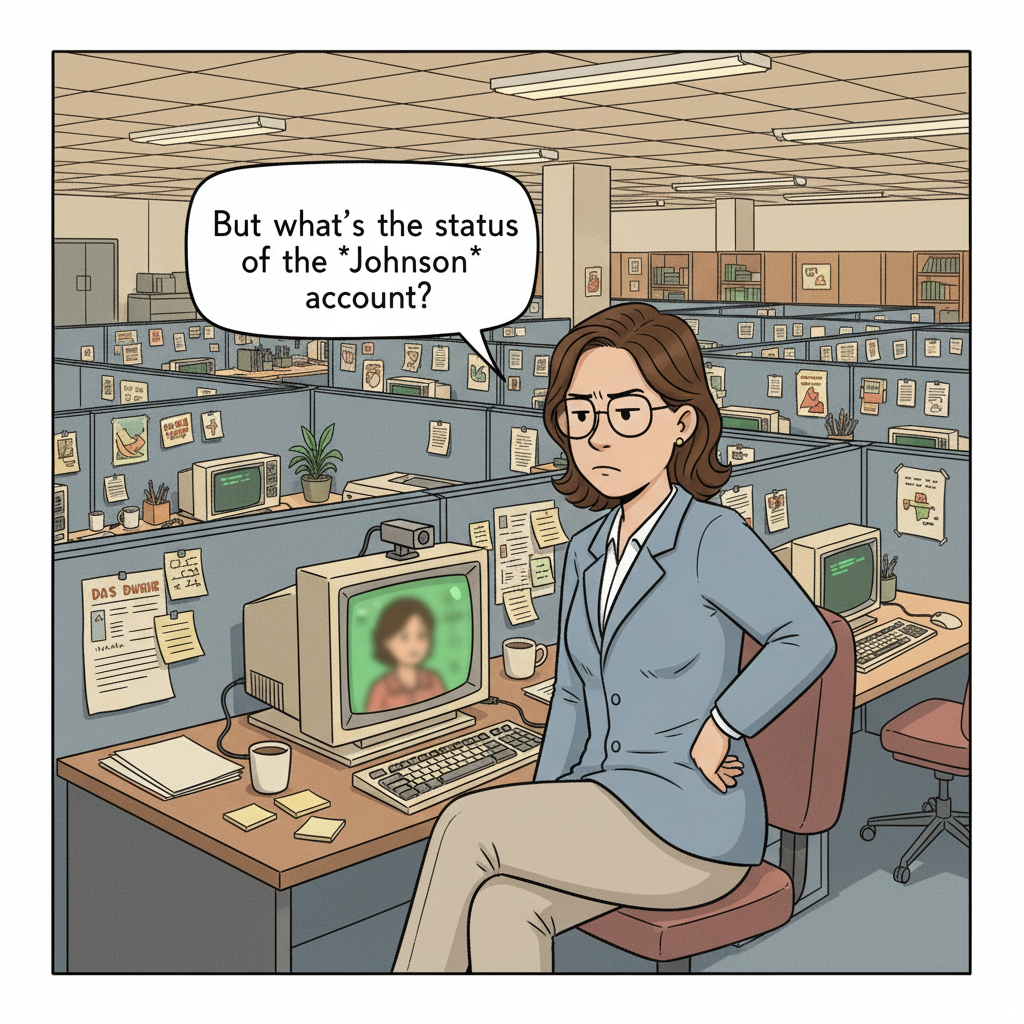
With no transition plan, team morale dips as uncertainty reigns.

Essential knowledge slips away without a roadmap or documentation in place.
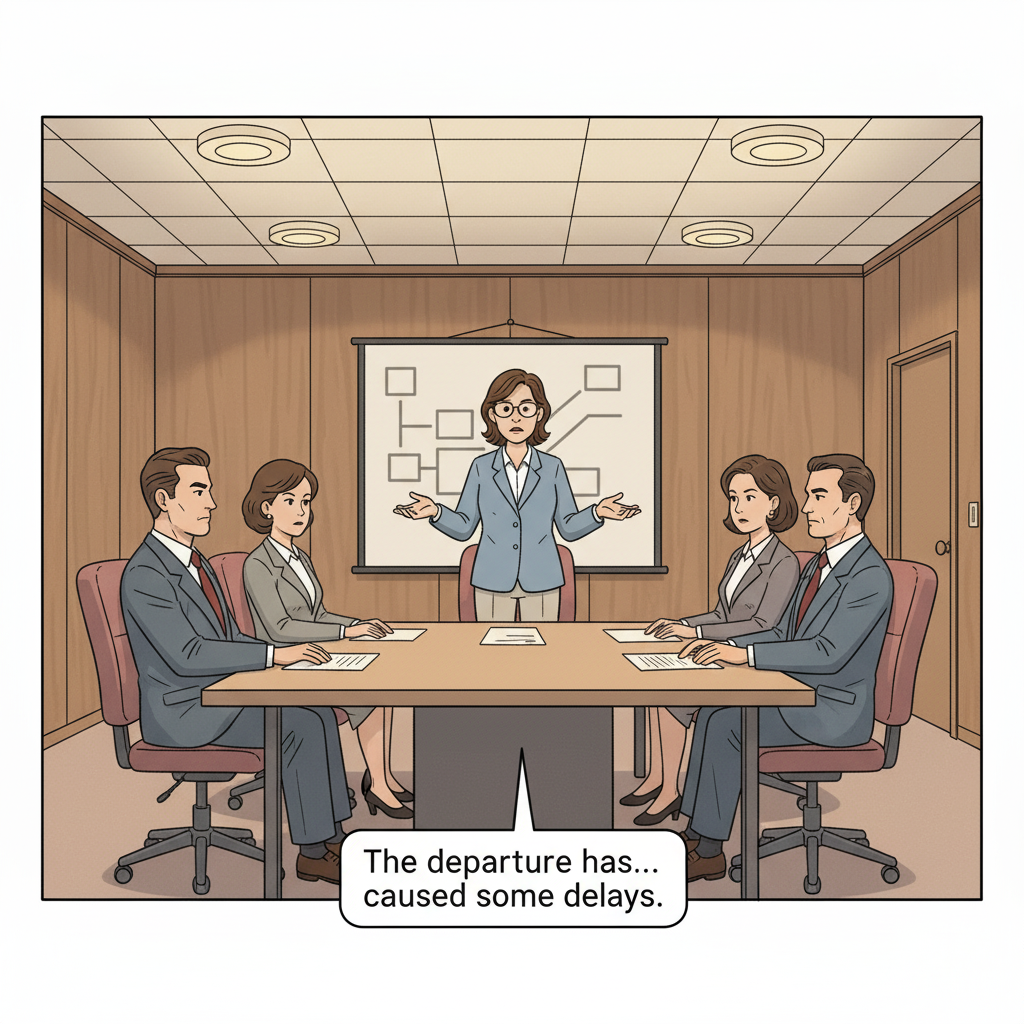
Restoring order: A structured approach to knowledge transfer begins to take shape.
Knowledge loss leads to disrupted workflows, miscommunication, and lost client trust.
Focus on critical systems and emergency protocols for immediate continuity.
Undocumented workflows and informal processes often go overlooked.
Prioritize knowledge capture sessions to fill gaps left by the departing employee.
When a customer account manager departs suddenly, the fallout is immediate and significant across multiple areas of operations.
The absence of a direct liaison causes:
Without clear documentation, project inertia sets in:
Teams may suffer from:
This sudden transition can severely impact a firm’s ability to operate smoothly, emphasizing the need for a swift and structured approach to knowledge transfer.
A Knowledge Transfer Report captured in the days after the notice holds the live commitments and the open questions, even on a short clock.
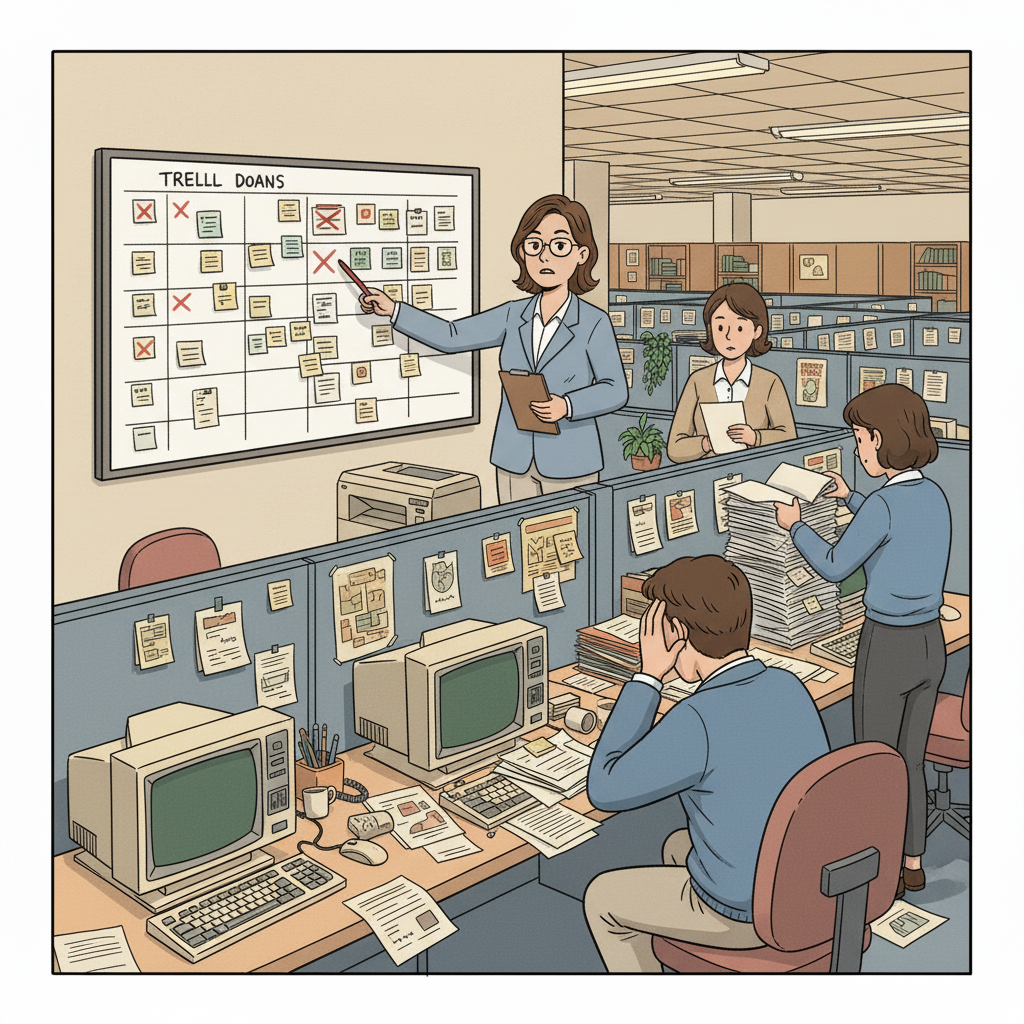
Involving crucial operational insights, the knowledge transfer focuses on gathering all necessary domains of information to ensure a seamless transition.
Every departing employee carries a wealth of information crucial to business continuity:
The knowledge transfer must account for various aspects:
Successful knowledge capture translates to reduced risks of project derailment and improved team alignment, paving the way for continued operational success.

With the departure of a customer account manager, identifying and recovering crucial knowledge is imperative for sustaining ongoing efforts. Here are key areas to explore:
Many processes rely on informal networks:
Reviewing shadow systems that may have been used for streamlined communication can reveal gaps.
Highlighting personal relationships or negotiations with clients that may not be documented, yet are essential for ongoing trust.
Involve relevant stakeholders:
Conduct interviews with team members to gather diverse perspectives and fill in missing knowledge.
Engage external vendors for insights on their interactions with the departing employee, ensuring continuity.
Establish an escalation path for urgent knowledge that needs immediate transfer to maintain operational flow.

A comprehensive knowledge transfer report provides a roadmap for ensuring continuity post-departure, incorporating crucial aspects:
Operational playbooks, specifying key workflows and client touchpoints relevant to ongoing engagements.
Risk assessments of potential areas where knowledge gaps may pose challenges.
Handover checklists detailing exact steps to transition responsibilities smoothly between employees, including key contacts and deadlines.
As part of the decision context documented:
Clarification of budgetary constraints previously observed in client negotiations should be captured.
Detailed metrics on client satisfaction to analyze ongoing relationships and anticipate future needs.
Documentation of meeting notes and compliance regulations followed, ensuring alignment with industry standards.
Such structured reports enable organizations to navigate transitions deliberately, minimizing fallout from sudden resignations.

A concise guide to ensure that no critical knowledge is overlooked during the transition.
Communicate the departure and assure continuity of service, reinforcing trust and relationships.
Engage the departing employee to collect detailed information on ongoing projects and client expectations.
Audit system access to ensure remaining team members have the necessary permissions to operate efficiently.
Create a shared document listing all active projects and their status to prevent assignment ambiguity.
Ensure every client understands who’s taking over their account, fostering an ongoing dialogue.
Hold regular meetings to assess project progress and redistributing tasks as necessary.
A short series about what actually left when one person did.
A real Knowledge Transfer Report, start to finish.
One $1,000 credit per offboarding. No subscription. Your first offboarding runs free for 7 days — you buy the credit when you unlock its Knowledge Transfer Report.
When there is notice, and how to use it.
The manager learns the key employee is leaving and initiates the knowledge transfer process.
Because there’s little runway, the session is booked within days — often the same week — while the departing employee is still reachable.
The interview goes straight for live commitments: in-flight work, credentials and access, escalation contacts, and promises made that nobody else heard.
A structured knowledge transfer report is produced, covering all critical domains, handover checklists, and risk areas.
Whoever picks up the work reads the report immediately, lists what is still unknown, and starts covering those gaps rather than waiting on a tidy handover.
The sudden absence can destabilize project timelines, disrupt client communications, and lead to mismanagement of critical responsibilities.
Fit is decided by what the role knows, not the access it held. It’s designed for operational knowledge — client history, escalation paths, and the commitments already in flight; credentials, secrets, and customer records stay out of scope.
Utilize structured interviews focusing on key workflows, access systems, and client relationships to recover valuable insights.
It’s multi-session by design, not a single sitting. An offboarding can cover up to ten structured topics with a total interview budget of around 300 minutes — in voice or text, paused and resumed around the person’s actual work. Time is budgeted, not promised: if topics don’t complete, the report says so rather than filling the gap.
Ensure a successful knowledge handover when your construction lead leaves. Capture insights and prevent operational hiccups with our checklist
When your RevOps or Sales Ops lead leaves, reporting logic and tool configurations are at risk. Capture it all before they walk out the door.
Explore effective knowledge transfer strategies to capture critical information when an employee gives two weeks notice, ensuring smooth transitions.
Everything lives in your head — until it doesn't. Structured knowledge transfer for founders handing off operations.
Access a checklist and interview questions essential for effective knowledge transfer in professional services, ensuring operational continuity.
When a plant manager leaves, the reasoning stops: shift reality, line history, supplier context. A guided interview captures it before their last day.