 My Employee is Leaving
Read the story
A short series about what actually left when one person did.
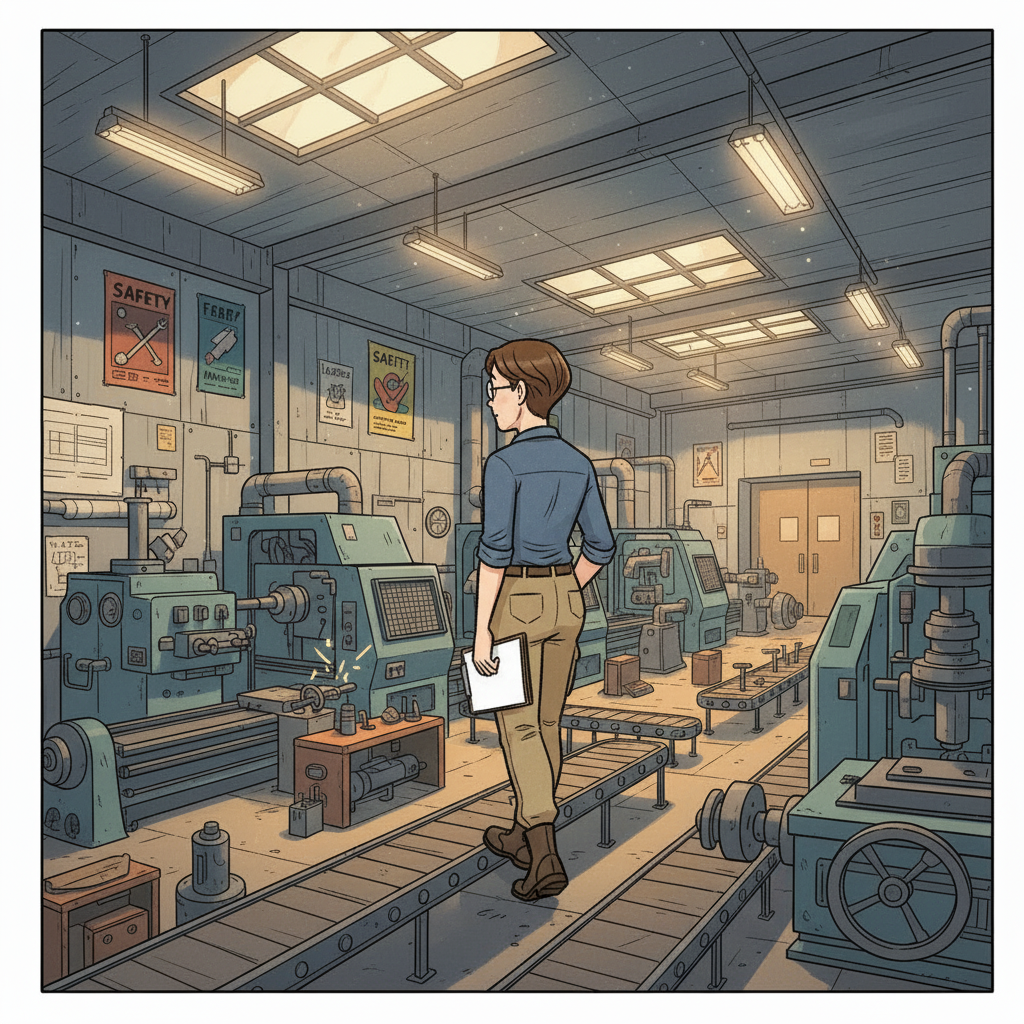
When the production supervisor leaves, unexpected machinery failures can lead to costly downtime.
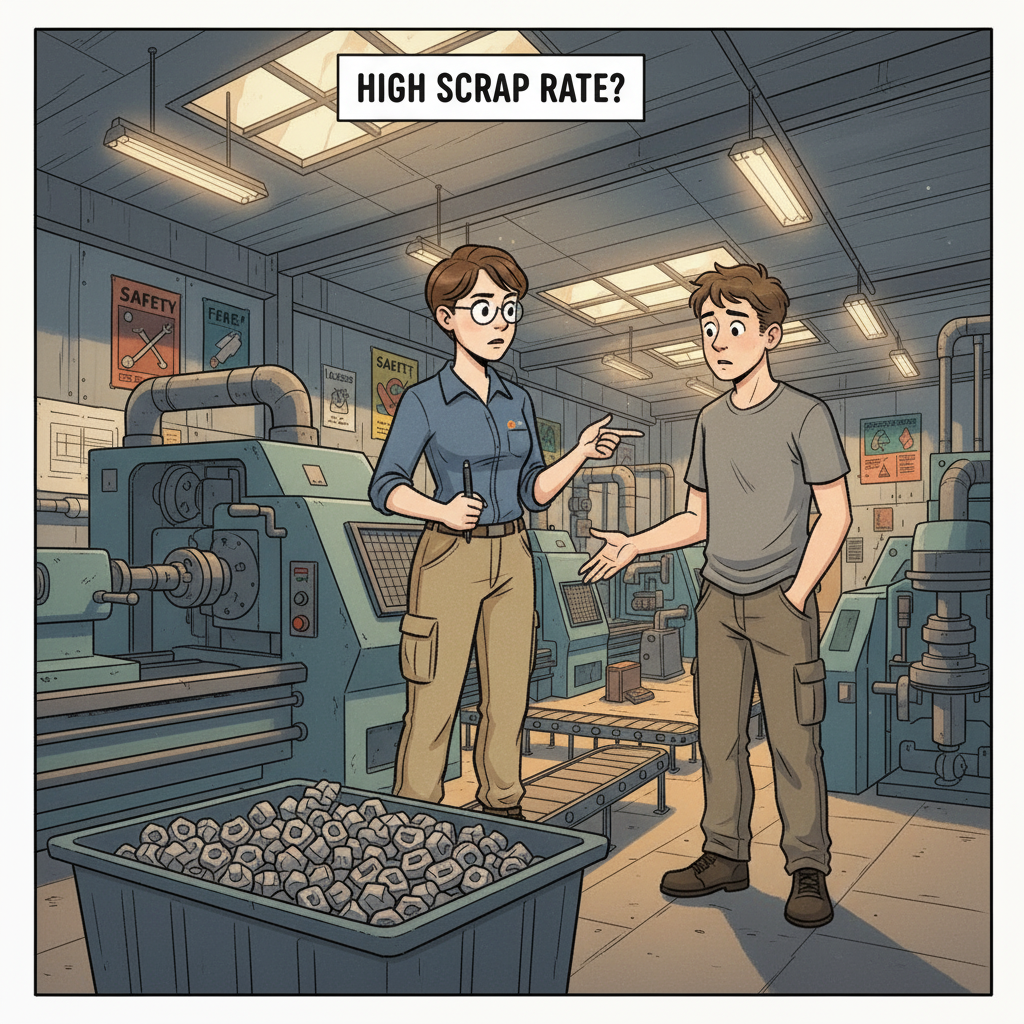
Critical information is lost during shift transitions, potentially causing miscommunication and errors.
Without comprehensive quality control knowledge, product quality suffers, resulting in increased scrap rates.
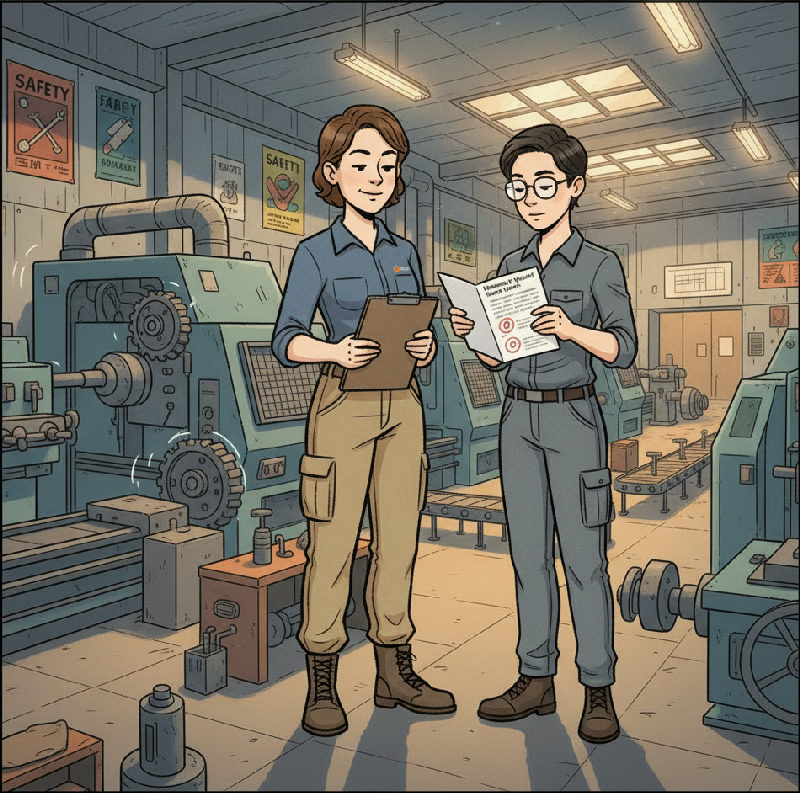
Shift notes and quality checks, in the Knowledge Transfer Report — the machine questions still open, listed.
In brief: what happens when a Production Supervisor leaves?
Operations often slip into disarray as key knowledge gaps emerge.
What should a shift hand over first when its supervisor leaves?
Start by capturing essential shift management strategies and team capabilities.
Which crew and line knowledge is usually missed?
Often overlooked are the undocumented workarounds that keep production running smoothly.
How should the first two weeks be scheduled around production?
Initiate a structured knowledge transfer process immediately.
The departure of a production supervisor can trigger a cascade of operational failures affecting various aspects of production.
Without the supervisor’s guidance, machine issues can take longer to address, leading to significant production delays. Teams may not know how to respond to equipment malfunctions, resulting in:
With the departure of a knowledgeable supervisor, quality standards may be compromised. Inadequate training on quality checks can lead to:
The lack of structured communication during shift transitions can create confusion and misalignment. Potential issues include:
Failure to meet production quotas can have significant financial ramifications. Specific impacts might be:
In summary, the departure of a production supervisor jeopardizes operational stability and puts pressure on teams to perform without clear guidance.
The Knowledge Transfer Report holds the shift notes, the equipment quirks and the quality checks, with the machine questions still open listed.
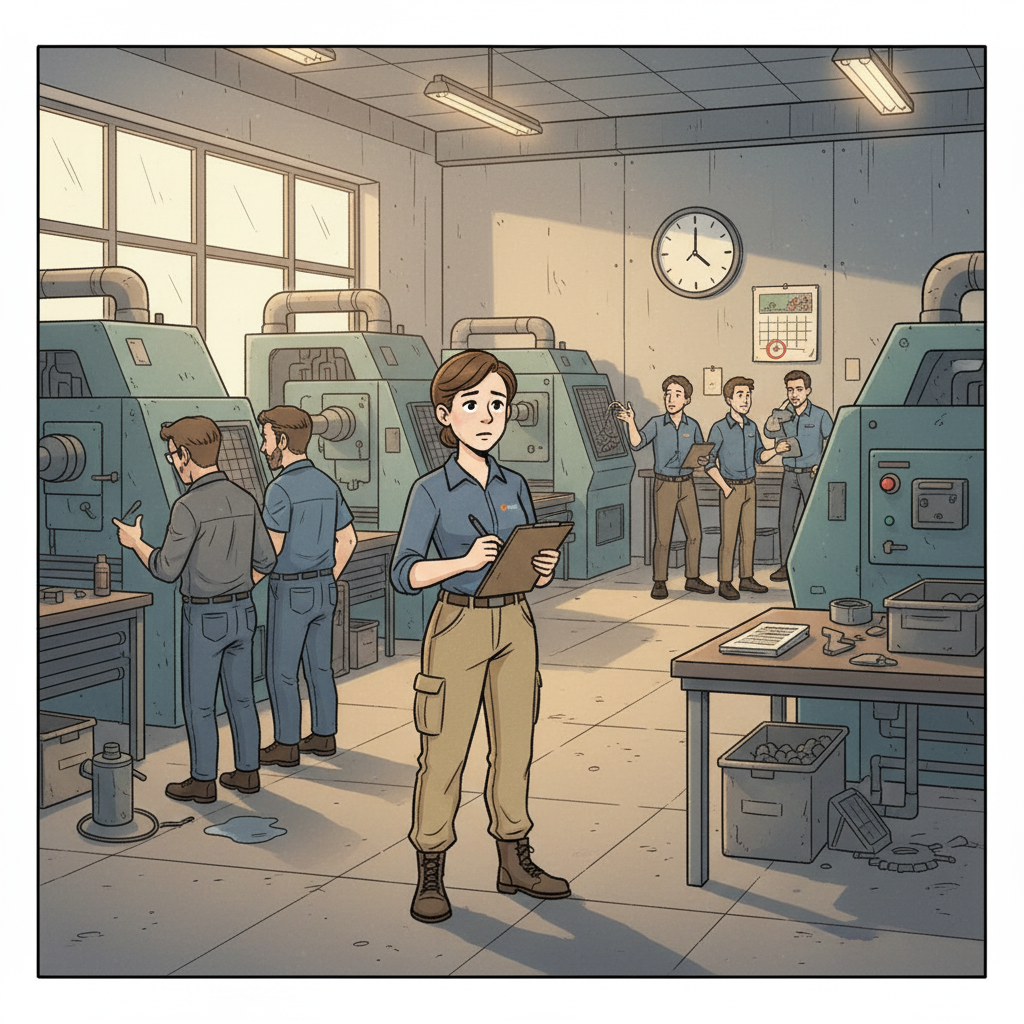
A production supervisor’s knowledge spans various areas critical for seamless operations. Understanding these domains is essential during knowledge transfer.
Effective shift management ensures that production runs smoothly. Understanding team dynamics and individual capabilities affects:
Knowledge of equipment operation and maintenance helps minimize downtime. Supervisors need to provide:
Supervisors enforce quality control standards that uphold product integrity. Their expertise includes:
These capabilities are foundational for maintaining consistent output and ensuring safety regulations are adhered to.
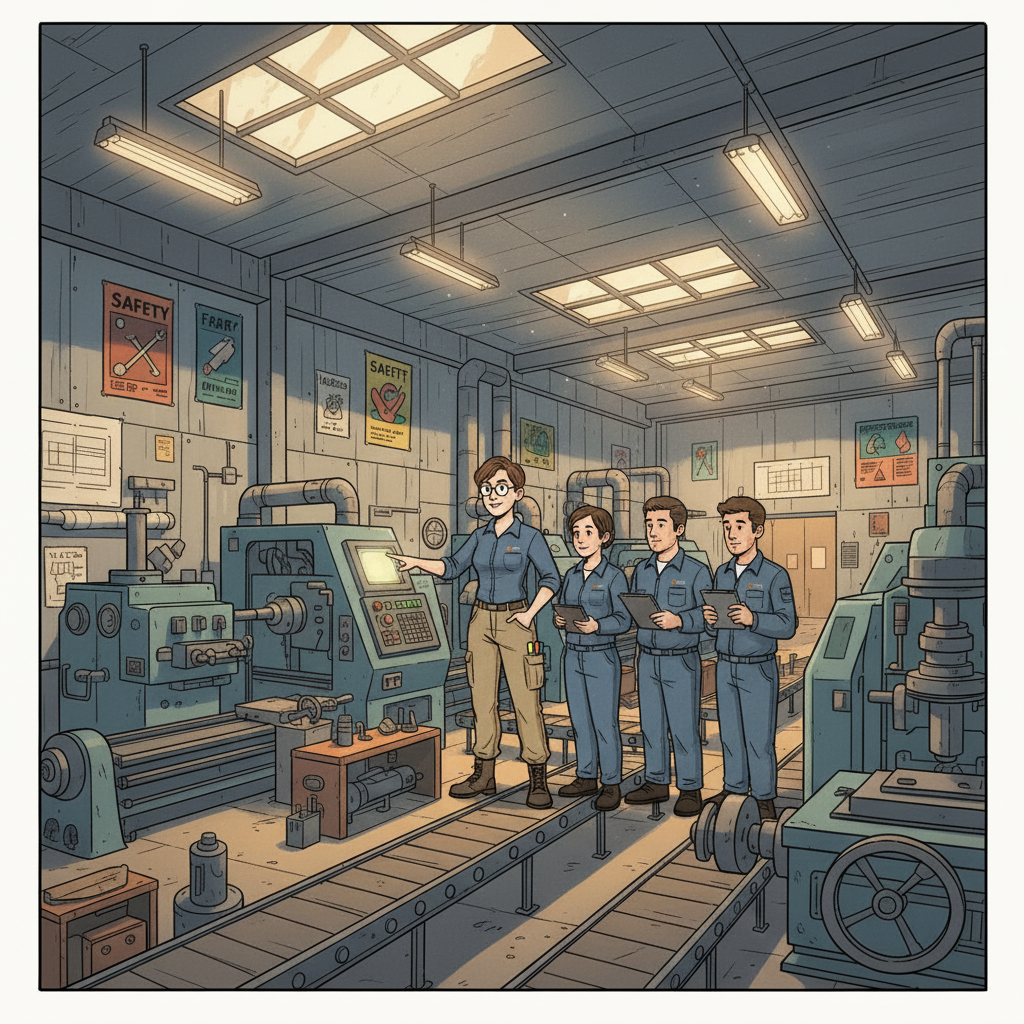
Structured interviews with production supervisors can reveal hidden complexities and dependencies that are often overlooked. Here are critical questions:
These questions unlock valuable insights that may not be documented elsewhere, ensuring that critical knowledge does not leave with the departing supervisor.
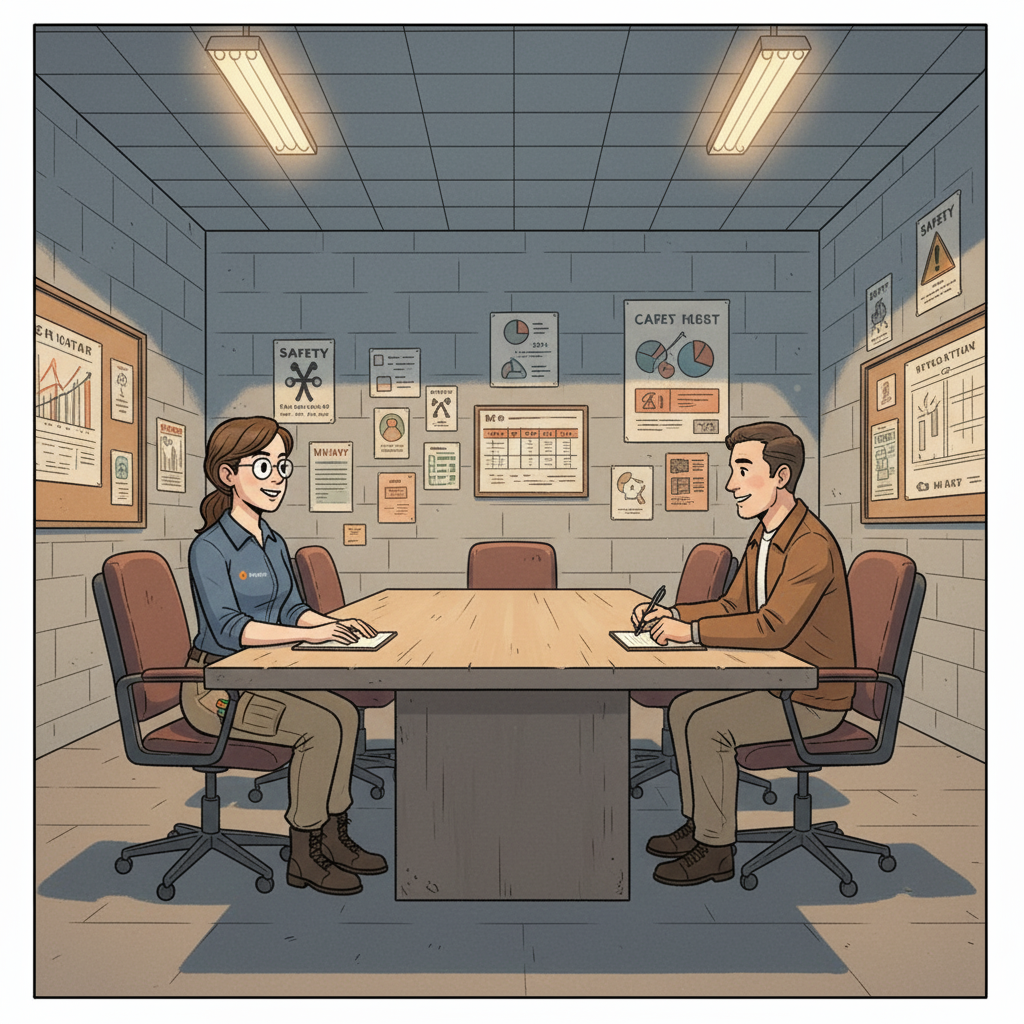
When a production supervisor departs, a structured knowledge transfer report becomes an invaluable resource. Here’s what it encapsulates:
The report includes detailed documentation of workflows that reflect best practices learned through experience.
It captures the reasoning behind specific production targets and optimization strategies, ensuring continuity in decision-making.
Identifies potential risks highlighted during the interview process, allowing management to prepare contingencies before the departure.
The checklist provides a step-by-step guide for successors, highlighting vital tasks for effective handover. This ensures minimal disruption to production operations and customer satisfaction.
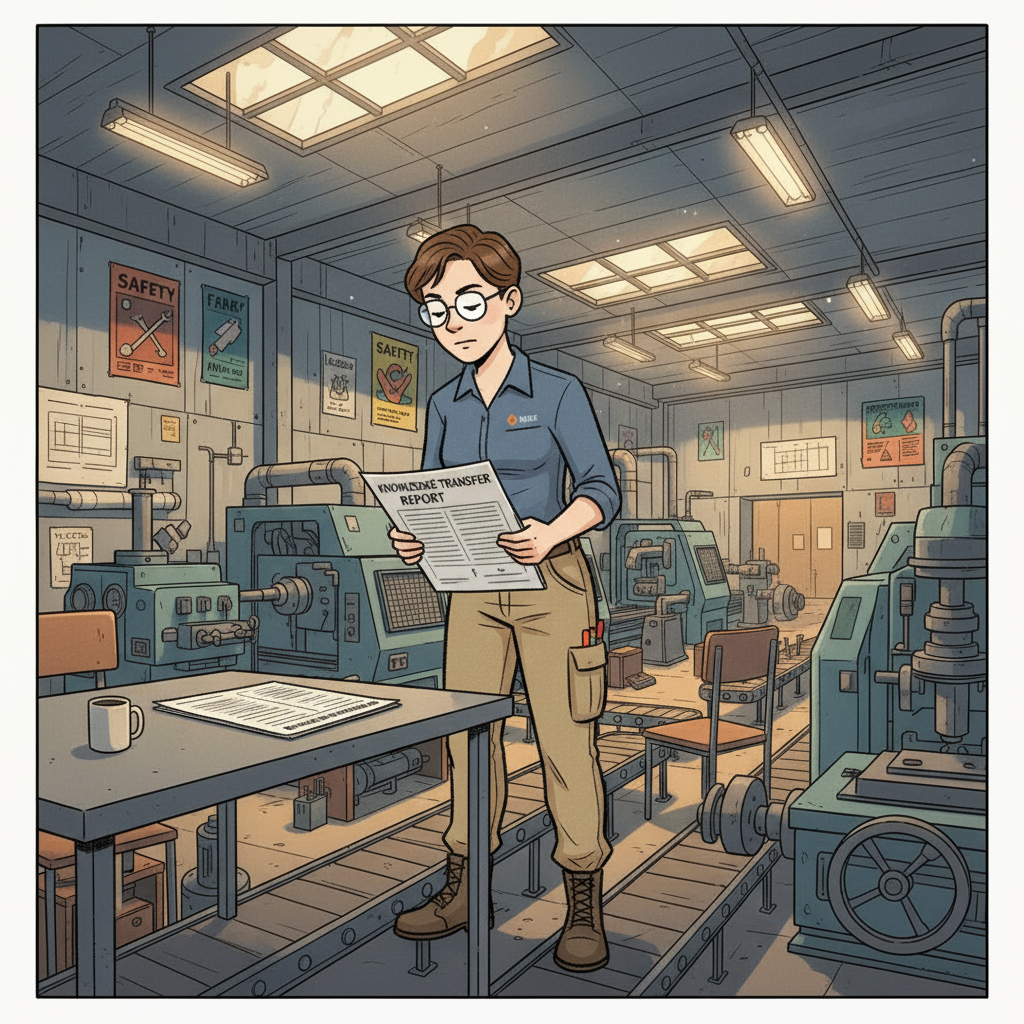
A structured approach to capturing essential knowledge.
Create a skills matrix that summarizes each team member’s strengths and weaknesses.
Detail specific approaches used during different product runs to improve efficiency.
List informal checks and indicators used to maintain product quality.
Document unique practices and emergency protocols for handling machinery.
Create a training outline to help onboard the new supervisor effectively.
Summarize interactions and escalation paths with critical equipment vendors.
A short series about what actually left when one person did.
A real Knowledge Transfer Report, start to finish.
One $1,000 credit per offboarding. No subscription. Your first offboarding runs free for 7 days — you buy the credit when you unlock its Knowledge Transfer Report.
What manufacturing teams should capture before a departure.
The manager learns the Production Supervisor is leaving and initiates the knowledge transfer process.
An AI-guided interview session is scheduled with the departing Production Supervisor to systematically capture institutional knowledge.
The AI interview extracts undocumented workflows, vendor relationships, decision rationale, and operational edge cases.
A structured knowledge transfer report is produced, covering all critical domains, handover checklists, and risk areas.
The team reviews the report, identifies remaining gaps, and completes the handover before the departure date.
Production processes can falter without the supervisor’s knowledge, leading to downtime, quality issues, and missed quotas.
Fit is decided by what the role knows, not the quality regime around it. It’s designed for operational knowledge — crew reliability, changeover habits, and the fixes that actually settle a problem; controlled quality records and audit data stay out of scope.
Through structured interviews that focus on operational playbooks, team capabilities, and equipment handling practices.
It’s multi-session by design, not a single sitting. An offboarding can cover up to ten structured topics with a total interview budget of around 300 minutes — in voice or text, paused and resumed around the person’s actual work. Time is budgeted, not promised: if topics don’t complete, the report says so rather than filling the gap.
When food manufacturing staff leave, supplier history and line quirks go with them. A guided interview captures that operational knowledge first.
When experienced energy staff leave, the operational know-how goes with them. A guided interview captures it while they can still confirm it.