 My Employee is Leaving
Regulatory Interpretation
Understanding regulatory guidelines is essential for making informed compliance decisions.
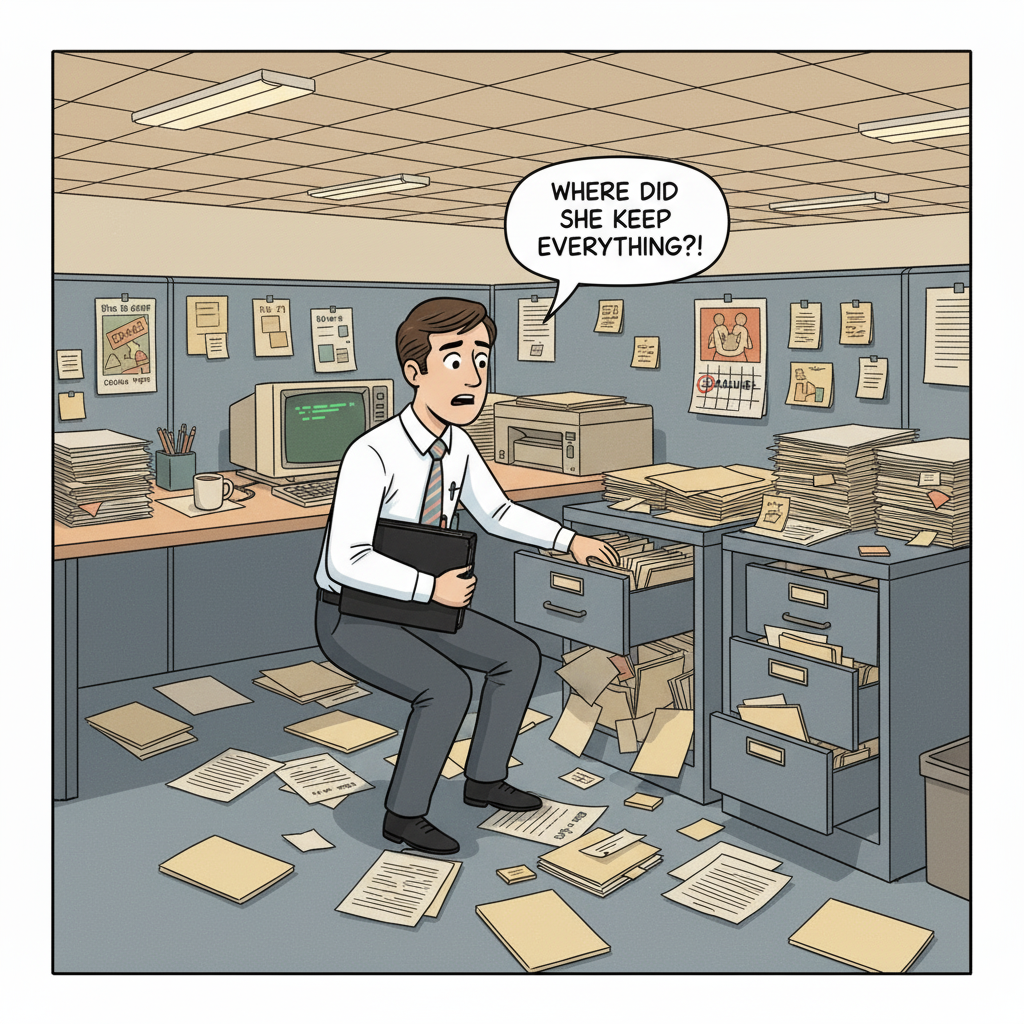
As the Compliance Manager prepares to leave, vital knowledge is at risk of being lost.
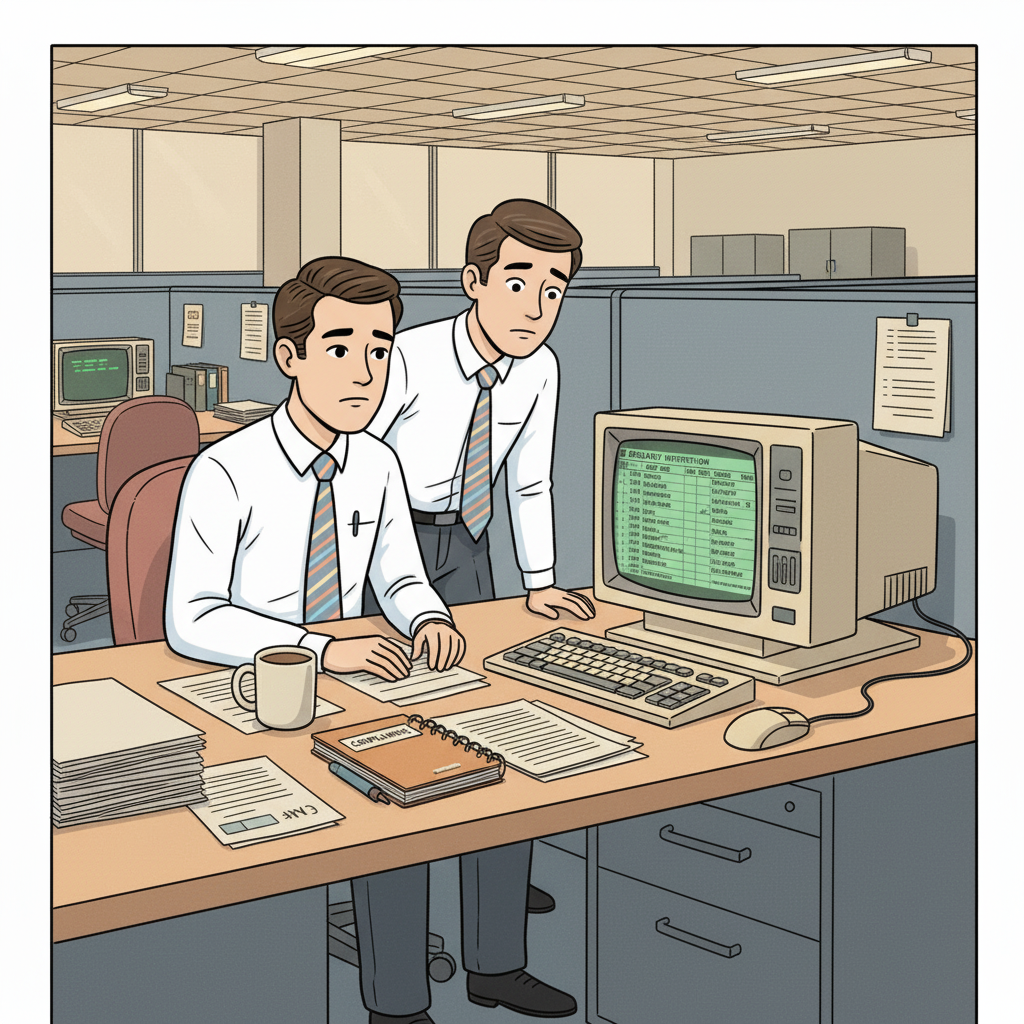
Missed deadlines can lead to significant regulatory fines.

Without clear knowledge transfer, the team struggles to maintain compliance.

Failed audits can result in operational restrictions and reputational damage.
The organization faces a risk of compliance violations, delayed reporting, and potential regulatory fines.
Immediate documentation should focus on audit preparation procedures and risk management practices.
Commonly overlooked are undocumented workarounds and informal escalation paths that the Compliance Manager regularly navigated.
Prioritize setting up a structured knowledge transfer session with the departing Compliance Manager.
When a Compliance Manager departs, the organization can encounter severe consequences that disrupt operational integrity.
Reporting deadlines may be missed, leading to legal penalties and jeopardizing vendor certifications.
Ineffective monitoring of compliance risks may result in unforeseen operational disruptions and penalties.
The audit process can break down, causing inadequate responses to regulatory inquiries, leading to failed audits.
Team members may lack the necessary information to understand existing compliance measures, leaving the organization vulnerable to violations.
Without a comprehensive knowledge transfer plan, the organization risks substantial financial losses and reputational damage. Immediate action is essential to mitigate these risks by documenting key compliance areas and establishing clear procedures.
Ensuring compliance is upheld during personnel transitions involves establishing workflows that adhere to compliance timelines and maintaining communications with legal and IT departments.

A Compliance Manager's role encompasses various critical knowledge domains essential for maintaining regulatory compliance.
Each knowledge area serves an operational purpose:
Understanding these domains allows the organization to address compliance issues efficiently, reducing the potential fallout from a Compliance Manager's departure.

The AI interview process scripted for Compliance Managers includes targeted questions to capture critical compliance knowledge effectively.
Such questions are essential for uncovering:
The effectiveness of AI-driven interviews lies in their capacity to extract not just documented knowledge but the insights that give context to compliance practices.

Using knowledge captured from the departing Compliance Manager, organizations will receive various essential deliverables.
Operational Playbooks: Guides outlining standard procedures based on established compliance protocols.
Decision Rationale Documentation: Documenting regulatory interpretations and the reasoning behind compliance strategies ensures clarity and consistency.
Risk Assessments: Evaluating ongoing risks and compliance vulnerabilities encourages proactive management.
Handover Checklists: Detailed checklists to guide smooth transition for Compliance Managers between the old and new Compliance Managers.
These documents support the internal audit team by ensuring that compliance requirements are met without gaps. They also aid the legal department by providing necessary context in case of external audits or inquiries.
The outcome is a well-organized knowledge transfer report that arms the incoming Compliance Manager with critical insights for their new role.

This checklist guides managers through essential tasks during the transition of a Compliance Manager.
Capture insights into how regulations have been interpreted differently and key contacts for clarifications.
Ensure all compliance policies are up-to-date and reflect the organization’s practices.
Gather all necessary documents required for upcoming audits and establish roles for team engagement.
Create a list of mandatory compliance training and track completion rates among team members.
Evaluate effectiveness of existing risk assessment software and update as needed.
Document key vendor contacts for compliance issues to ensure smooth ongoing operations.
Understanding regulatory guidelines is essential for making informed compliance decisions.
Effective audit preparation ensures readiness for any regulatory assessments.
Ongoing evaluations of compliance risks protect the organization from future penalties.
The manager learns the Compliance Manager is leaving and initiates the knowledge transfer process.
An AI-guided interview session is scheduled with the departing Compliance Manager to systematically capture institutional knowledge.
The AI interview extracts undocumented workflows, vendor relationships, decision rationale, and operational edge cases.
A structured knowledge transfer report is produced, covering all critical domains, handover checklists, and risk areas.
The team reviews the report, identifies remaining gaps, and completes the handover before the departure date.
The organization risks non-compliance, failed audits, and various operational disruptions due to the sudden lack of crucial knowledge.
Utilizing AI-guided interviews facilitates systematic collection of regulatory interpretations and policies, ensuring impactful knowledge transfer.
Knowledge transfer should ideally occur within the two weeks of notice to ensure all critical information is documented and communicated effectively.
Capture essential knowledge during employee transitions in financial services with our structured checklist and insight report.
Capture essential knowledge in healthcare operations to ensure smooth transitions and maintain care quality. Learn the vital steps to take.
Capture vital compliance knowledge with actionable insights and checklists to ensure a seamless transition in the energy industry.
Learn how to safeguard critical operational knowledge during employee transitions in industrial services with comprehensive knowledge transfer guide.
Capture crucial knowledge with our checklist and insights focusing on what happens when your Operations Manager leaves suddenly, ensuring continuity.