 My Employee is Leaving
Read the story
What leaves a plant when the person who remembered everything walks out.

The supplier history that explained this decision walked out two weeks ago.
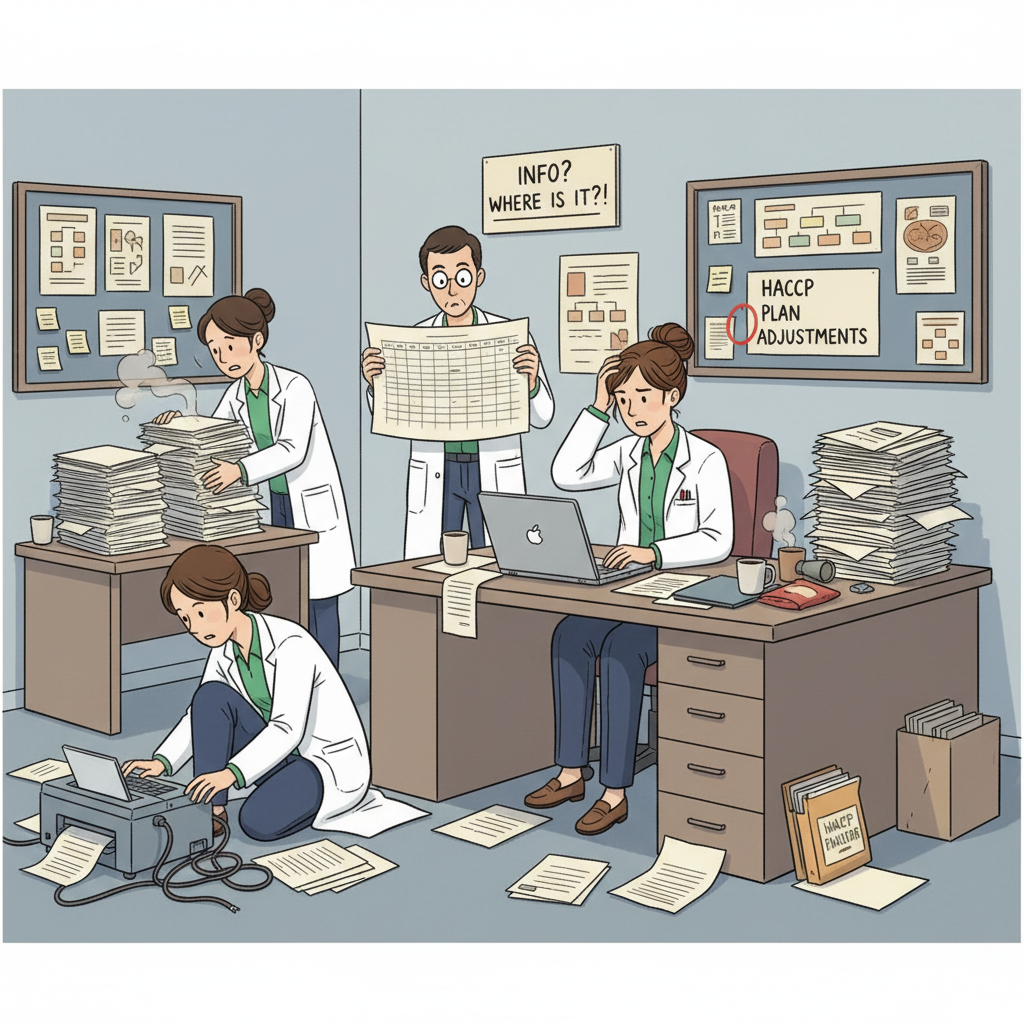
Checking that date was somebody’s habit, not a procedure — and they’ve left.
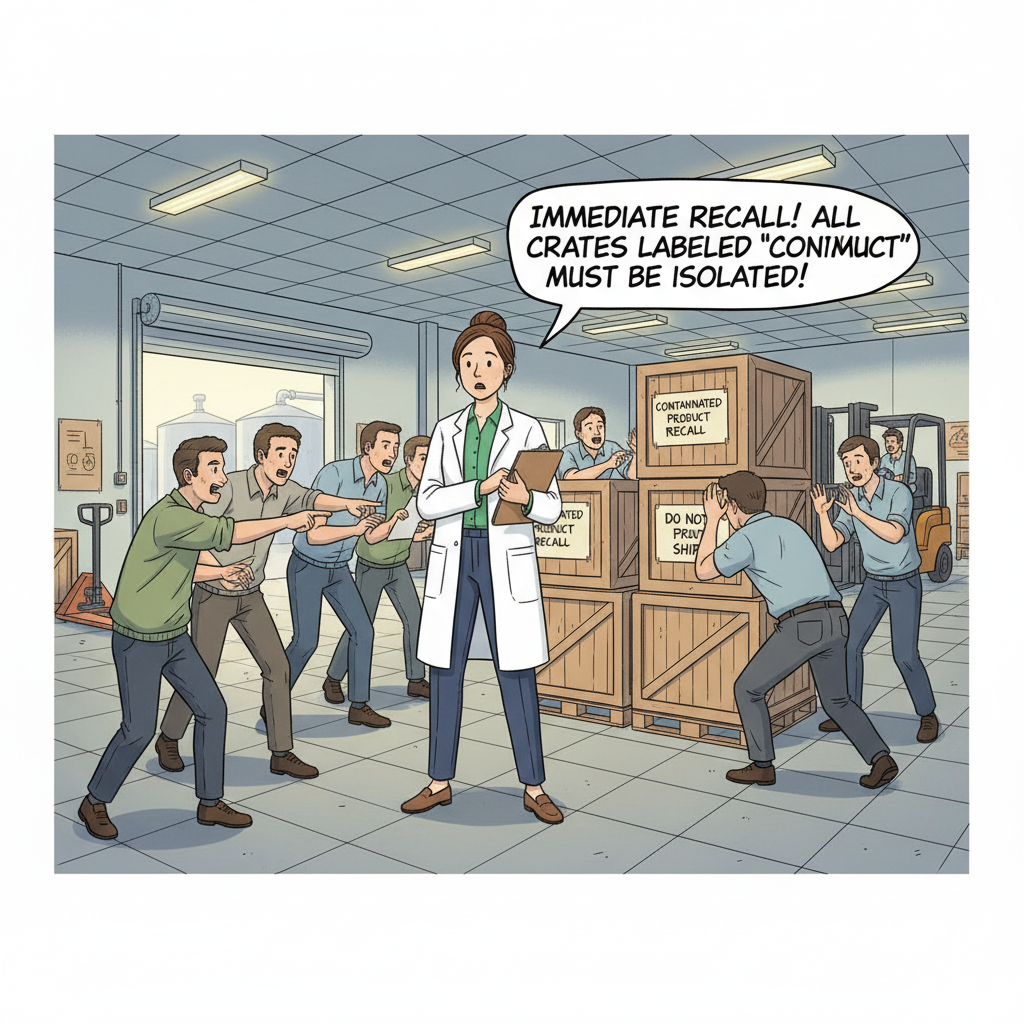
Complaints climb because nobody remembers which supplier needed watching.

Which supplier needed watching, and why, is in the Knowledge Transfer Report; the open checks named.
In brief: what happens when a food safety manager leaves?
When a food safety manager resigns, what leaves isn’t the paperwork — it’s the context behind it. Why suppliers were chosen. Which line issues repeat. Who to call when a check fails. A guided, voice-first interview captures what they actually know, and they confirm every fact before it reaches your report.
What should a plant capture first when its food safety manager leaves?
Start with what only they can answer — supplier history takes longest to rebuild.
Which supplier and line history is usually missed?
The habits: when they walk the floor, which operator they quietly re-train.
How should the first two weeks be structured on a running line?
Assume two weeks and no time to think. Book short sessions early.
The notice just landed. Two weeks, maybe three. The binders are still on the shelf, which is the part that fools people.
They know which supplier ships clean paperwork, which needs chasing, and which incident changed who you buy from. The next person inherits a vendor list with no history.
The seal on line three. The drain in humid weather. The probe that drifts. They stopped writing those down years ago.
A check fails early on a Tuesday. Who gets called first, second, and who answers? That order lives in one head.
Fit comes from the role’s operational knowledge, not the regulatory setting around it. It’s designed for operational knowledge — supplier relationships, scheduling, and day-to-day process detail; regulated records and controlled audit data stay out of scope.
Not in week one. The binders cover that. Around week four the supplier who needed chasing ships late paperwork and nobody chases. Somewhere in the second month the drain problem comes back on a humid morning and the 6am call goes to the wrong person first. The Knowledge Transfer Report puts the supplier history and the phone tree in writing, with the open checks named.

Most of it is operational, not procedural — relationships, timing, pattern recognition.
A guided offboarding interview goes after that layer, voice-first — voice or text, the employee’s choice. People explain a line problem better out loud, and they confirm, edit, or reject every fact.
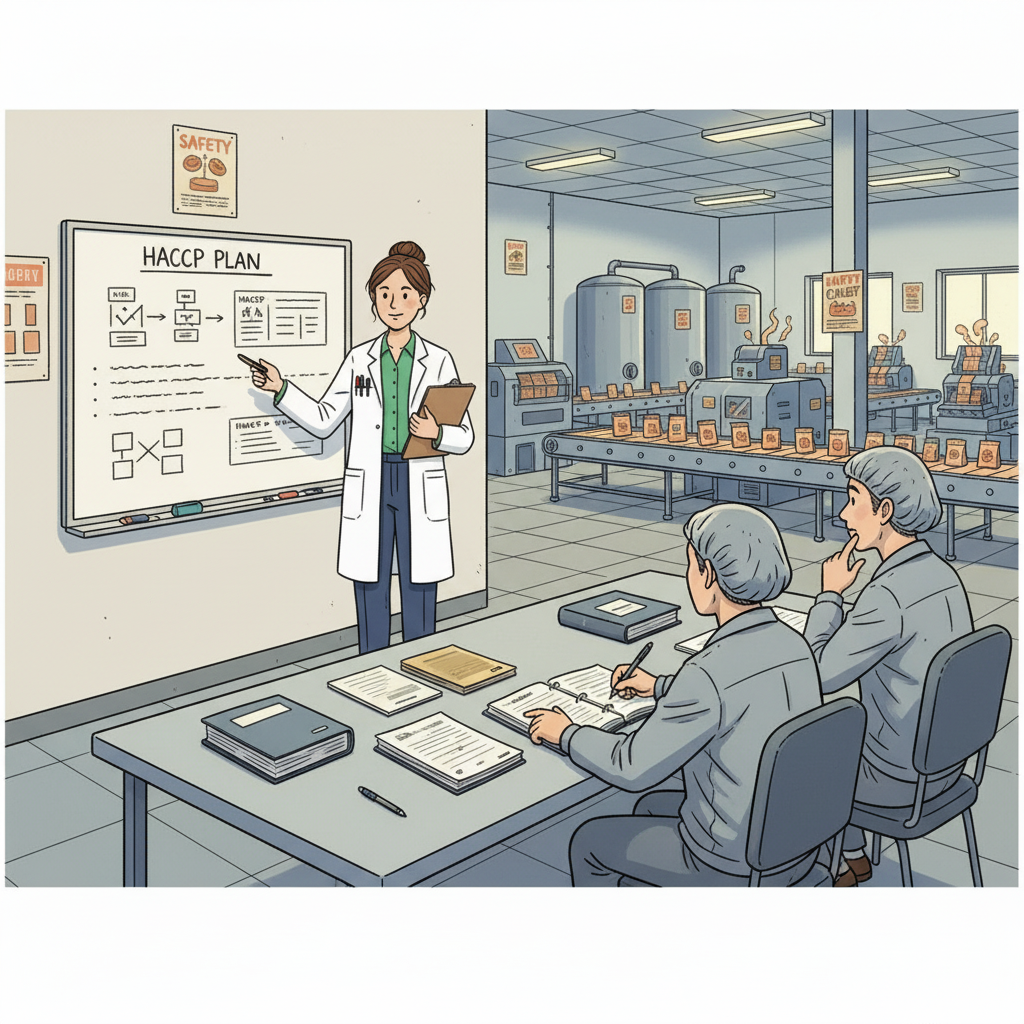
Nobody has a free afternoon during a notice period. Multi-session by design: up to 10 structured topics, voice or text, pause and resume anytime, with a total time budget of up to roughly 300 minutes. Time is budgeted, not promised.
They can talk through the drain problem while walking to it, stop when the line needs them, and pick the next topic up in the morning. Designed for real departures — designed around interruptions.

A structured Knowledge Transfer Report, manager-ready, in three parts — the last two matter as much as the first. Illustrative lines below: what a report looks like, not a customer’s report.
“Supplier B ships late in the last week of every quarter; order five days earlier.” Confirmed by the person leaving.
“The probe on line three drifts — unclear whether it was recalibrated in March. Ask maintenance.” Gaps are an intended output; naming them reduces risk instead of hiding it.
“Allergen changeover on the second line was not discussed; no session reached it.” Stated plainly, so nobody assumes otherwise.

Open questions first, then follow-ups where the answer thins out.
The unasked-for interventions are the undocumented habits.
Names, history, what to watch for.
The fix in their words, including the version that failed.
The real first move, and who gets called.
Where the surprises hide.
What leaves a plant when the person who remembered everything walks out.
The Operations Director sample: confirmed facts, open questions, gaps.
One $1,000 credit per offboarding. No subscription. Your first offboarding runs free for 7 days — you buy the credit when you unlock its Knowledge Transfer Report.
What food manufacturing teams should capture before a departure.
You book the first session instead of waiting for a free week.
Up to 10 topics, voice or text, paused when the line needs them.
Each fact is confirmed, edited, or rejected by the person leaving.
Confirmed facts, open questions, and what was not covered.
Every open question goes to a name.
The documents stay. The operational clarity around them thins out — supplier history, recurring line issues, the call order when a check fails. A guided interview captures that context while they can still confirm it.
Fit is decided by what the role knows, not the industry around it. It’s designed for operational knowledge — supplier relationships, scheduling, and day-to-day process detail; regulated records and controlled audit data stay out of scope.
Multi-session by design: up to 10 structured topics, voice or text, pause and resume anytime, with a total time budget of up to roughly 300 minutes. Time is budgeted, not promised.
Then the report says so. Anything unclear becomes a listed open question; anything untouched lands in what was not covered. Gaps are an output, not a failure.
Get a comprehensive handover checklist and practical insights for capturing vital retail knowledge before your ops lead departs.
When food manufacturing staff leave, supplier history and line quirks go with them. A guided interview captures that operational knowledge first.