 My Employee is Leaving
Two weeks’ notice
The most common case. Use a day-by-day plan.
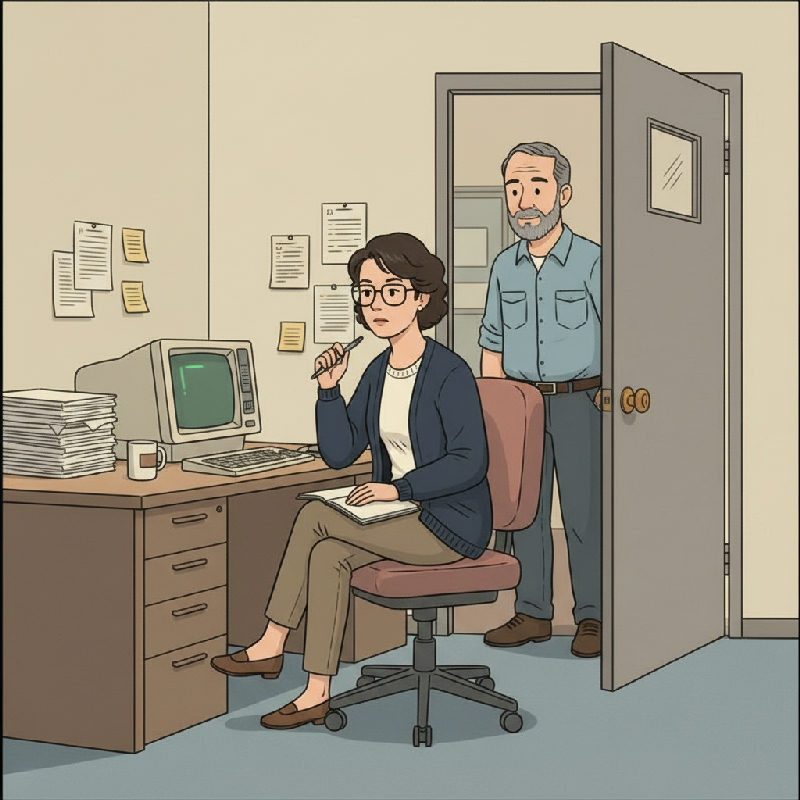
Someone gives notice on an ordinary afternoon.

You start counting what only they know.
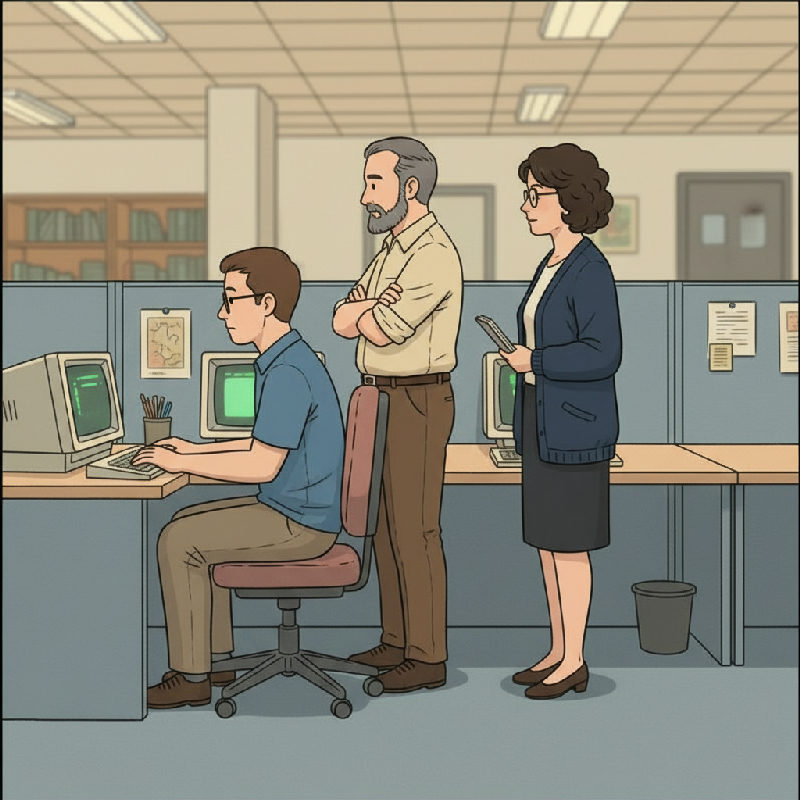
The next person tries it while there’s still someone to ask.

You know what you have, and what you don’t.
It’s getting what someone knows about the job to the people who’ll do it next, before they go.
Live commitments first, then anything that would stop work if nobody knew it.
Long enough to cover what matters most, which is rarely everything.
A handover document tells the next person what the job is. Knowledge transfer tells them how it actually works.
What you need falls into two groups:
Written-down knowledge: processes, files, contacts and schedules. Someone could find these eventually.
Tacit knowledge: the judgment that comes from doing the job. Which client needs a call before bad news. Which report nobody reads. Why that odd extra step exists.
The second group is the one that leaves with them. You often won’t notice it’s gone until something breaks.

Ask them, and ask the people who work with them. Don’t start by trying to document everything. That produces a long document and not much you can use.
Live commitments go first. Then anything that would stop work. Nice-to-have history goes last.
If there’s no successor yet, name whoever will cover the work. Knowledge with no owner tends to sit in a folder nobody opens.
Most people explain their work better out loud than on a blank page. Ask for real examples, and keep the sittings short so their current work doesn’t fall over. Start with these knowledge transfer questions to ask a departing employee.
Have the person taking over try the task. Where they get stuck is where the gaps are, and you can still ask.
You’ll probably miss something. Keep a list of open questions and who might know the answer. It’s much better to know what you don’t have.
Nobody is hiding this from you. Most of it never needed saying while they were here.
What they told a client or a colleague last week.
The customer who gets handled differently, and why.
Who actually gets things done, and who needs a heads-up first.
Why it’s done this way, and what happened the last time someone tried another way.
The spreadsheet or notebook that holds the real history.
The thing that only works because this person remembers to do it.
The most common case. Use a day-by-day plan.
Start with the five questions that matter most.
You may have months. Use them for mentoring and shadowing.
The person is still around, which makes it easy to put off.
They’re coming back, but the work can’t wait for them.
Find the guide closest to the job you’re losing.
You’ll get a long document, written in the evenings, by someone with one foot out the door.
That’s when everyone remembers they have questions, and when the person has the least time.
It wears everyone out, and the useful details tend to come up afterwards.
It asks why they’re leaving. It doesn’t ask what the job depends on.
The steps tell someone what to do until the day something unusual happens.
Nobody knows a handover works until someone else tries to use it.
Often, yes. If the role is simple and well documented, the steps on this page may be all you need.
It gets harder when the role holds judgment nobody else has, or when you’re also covering the work and running the team. A list of questions can’t ask the follow-up, check the answers or show you what’s still missing. It also takes hours you may not have.
That’s the part we built the guided interview for. The employee talks, in short sittings. They confirm the facts. You get a Knowledge Transfer Report with a completeness score, per-section grades and open items marked. We don’t promise it catches everything. You’ll know the difference between what you have and what you don’t.

It’s moving what someone knows about their work to the people who will need it. When an employee leaves, that usually means the things nobody wrote down.
No. Offboarding covers paperwork, access and final pay. Knowledge transfer is the part about the work itself, and it’s often the part that gets squeezed.
No. An exit interview usually asks why someone is leaving and how the job was for them. Knowledge transfer asks what the job depends on.
Usually the manager who will answer for what happens next. HR can run the offboarding, but they often won’t know what the job depends on.
Keep the ask small and specific, and respect their time. Explain that it’s for the team they’re leaving. If they still won’t take part, go to the team and the records, and write down the gaps.
Fit is decided by what the role knows, not the industry around it. A non-regulated role inside a regulated organization is often a strong fit. It’s designed for operational knowledge — process ownership, vendor context, and daily judgment; regulated records and controlled data stay out of scope.
How a guided, voice-first interview turns what a departing employee knows into a Knowledge Transfer Report you can use.
Knowledge transfer questions to ask a departing employee: live work, how the job really runs, key people, records and risks, and how to ask them.
An employee gave two weeks notice. What to capture first, a day-by-day knowledge transfer plan, and a checklist to use before their last day.
Explore industry-specific strategies for effective knowledge transfer before employee departures. Capture critical insights easily!
How to plan knowledge transfer for retiring employees: what to capture first, how to use the time before the date, and a checklist for managers.
Explore realistic samples of knowledge transfer reports for key employee departures. Ensure operational continuity with structured insights.