 My Employee is Leaving
Read the story
What a project loses when the superintendent walks mid-build.

Sudden resignation stalls project momentum.

Lack of communication leads to inefficiencies.
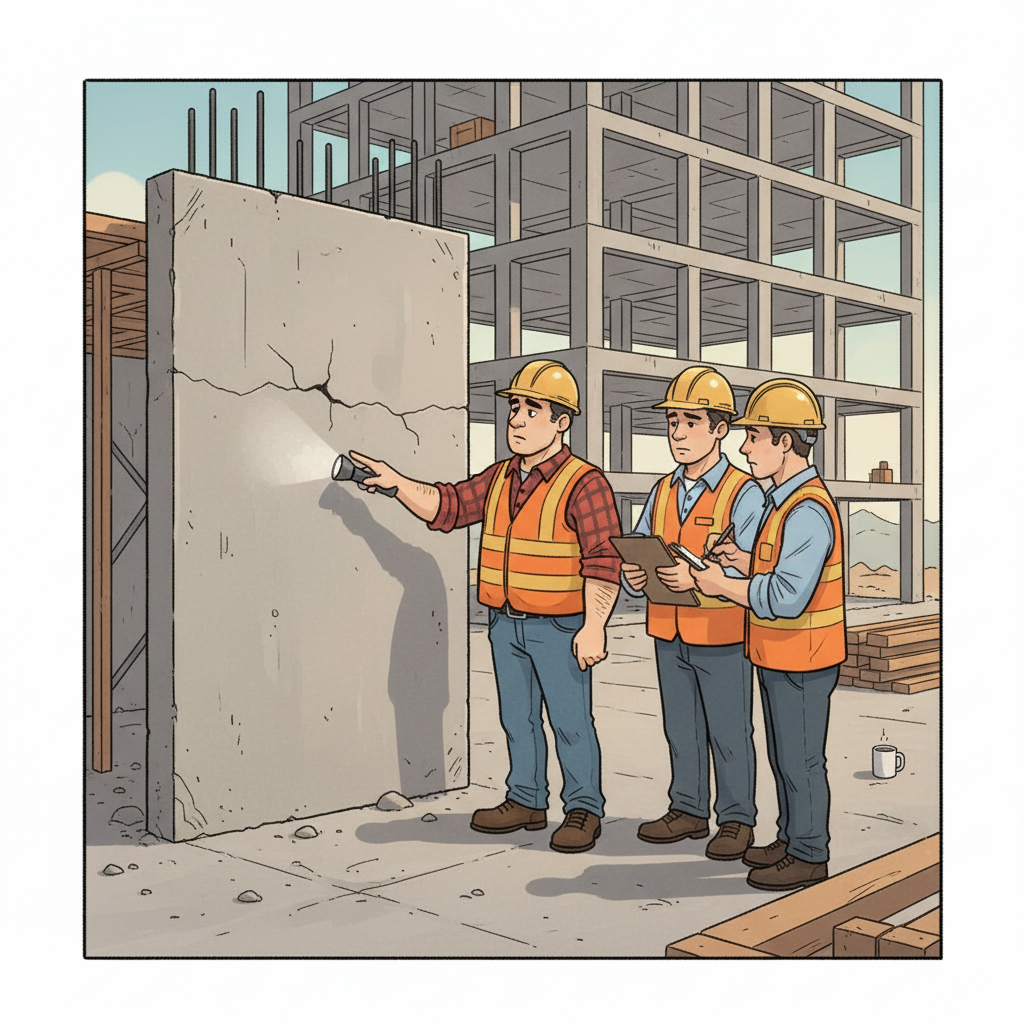
The concerns the superintendent carried in their head never reached anyone else.

The field-log tweaks are explained in the Knowledge Transfer Report; the new site manager starts there.
In brief: what happens when a superintendent leaves mid-project?
A superintendent’s real value is the part that never made it into the schedule: which subs actually show up, what the inspector cares about, where the site floods when it rains. A structured interview captures that judgment before their last day — confirmed fact by fact by the person leaving.
On site, what should be captured before the superintendent’s last day?
The commitments nobody wrote down, and the trades whose behaviour drives the schedule.
What sequencing knowledge never appears on the schedule?
The sequence reasoning — why this work goes before that work on this site, with these conditions.
What should the two weeks after a superintendent gives notice look like?
Get the handover started on site, in short sessions, while the work is in front of them.
The notice lands and the project doesn’t pause. That’s the whole problem.
They know which electrician turns up on a Monday, which framer needs a call the night before, and which sub is one missed date from being replaced.
Something was agreed on site with the owner. Nobody issued paper. It still shapes the next four weeks.
The printed schedule and the real sequence are different documents. Only one of them is written down.
Week one, the subs turn up because they were told to. By week three the framer who needed the night-before call has missed a Monday. Around week six the verbal agreement with the owner meets a change order that does not mention it. The Knowledge Transfer Report gets those three onto paper before the last day, with the open field issues named.
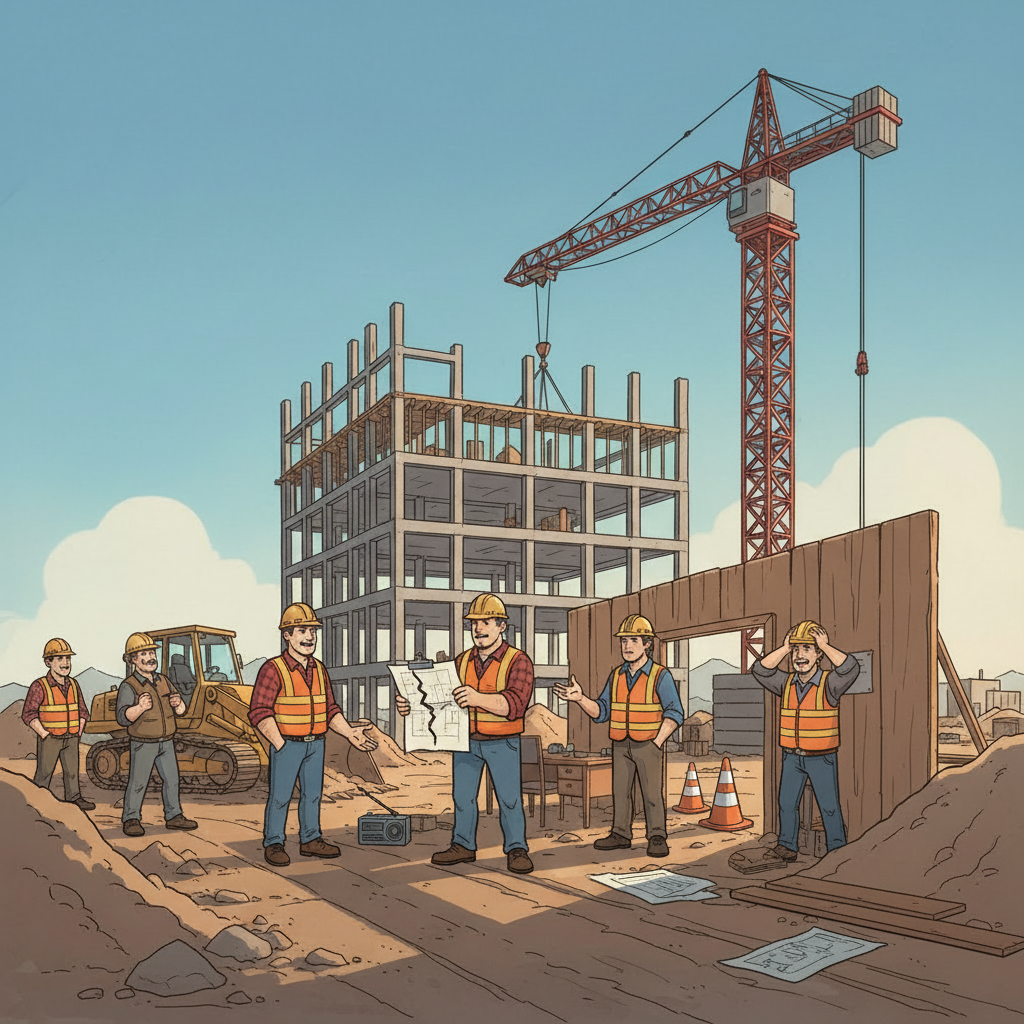
Site knowledge is relationships plus conditions plus memory.
A guided offboarding interview goes after that layer, voice or text, the employee’s choice — useful when the person is in a trailer, not at a desk. They confirm, edit, or reject every fact.

Nobody gets a quiet week on an active site. Multi-session by design: up to 10 structured topics, voice or text, pause and resume anytime, with a total time budget of up to roughly 300 minutes. Time is budgeted, not promised.
They can answer between trades, stop when the site needs them, and resume the next morning. Designed for real departures, which means designed around interruption.

A structured Knowledge Transfer Report, manager-ready, in three parts. Illustrative lines below — what a report looks like, not a customer’s report.
“The owner agreed verbally to the revised ceiling detail in level two; no change order issued yet.”
“Unclear whether the mechanical sub’s revised dates were accepted. Confirm in writing.” Gaps are an intended output; naming them reduces risk.
“Site logistics for the final phase were not discussed — no session reached it.” Stated plainly, so nobody assumes otherwise.
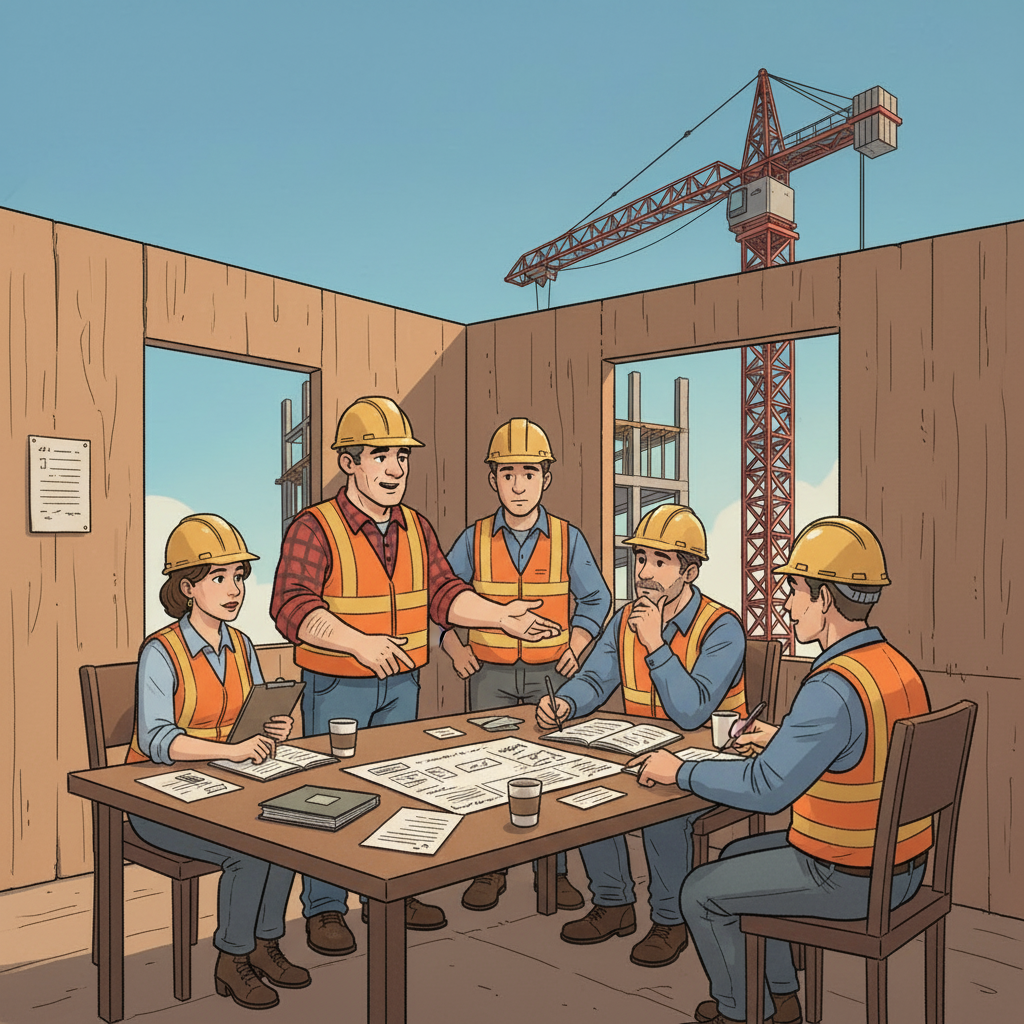
Open questions first, then follow-ups where the answer thins out.
The trade-by-trade truth, in their words.
The commitments that outlive the conversation.
The critical path as actually understood.
Local patterns that save a week.
Open RFIs, field fixes, pending decisions.
What a project loses when the superintendent walks mid-build.
The Operations Director sample: confirmed facts, open questions, gaps.
One $1,000 credit per offboarding. No subscription. Your first offboarding runs free for 7 days — you buy the credit when you unlock its Knowledge Transfer Report.
What construction teams should capture before a departure.
The build continues. You book the first session anyway.
Up to 10 topics, voice or text, paused when the site needs them.
Each fact is confirmed, edited, or rejected by the superintendent.
Confirmed facts, open questions, what was not covered.
Every open question goes to a name.
Verbal agreements and subcontractor context. The drawings and schedule survive; the reasoning and the commitments behind them don’t, unless somebody asks in time.
Fit is decided by what the role knows, not the compliance regime around it. It’s designed for operational knowledge — crew reliability, trade sequencing, and the site habits that keep work moving; controlled safety records and audit data stay out of scope.
Multi-session by design: up to 10 structured topics, voice or text, pause and resume anytime, with a total time budget of up to roughly 300 minutes. Time is budgeted, not promised. Sessions happen between trades, by voice, and stop whenever the site takes priority.
A structured Knowledge Transfer Report: confirmed facts in plain language, explicit open questions and gaps, and a section stating what was not covered. It reduces risk on the transition; it doesn’t claim to be complete.